
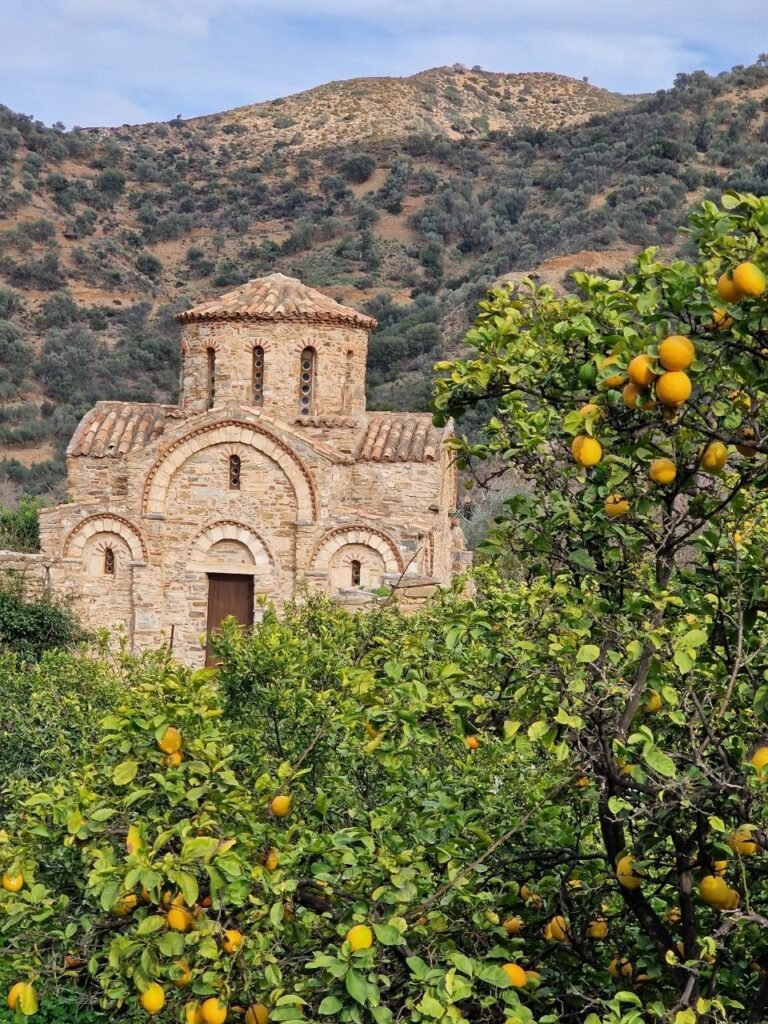
While Samaria Gorge dominates Crete’s hiking reputation, the island offers dozens of equally stunning trails with far fewer crowds. Private guided hikes through Imbros Gorge, Kourtaliotiko Ravine, and the White Mountains deliver dramatic landscapes, authentic villages, and personalized pacing—all hallmarks of genuine Cretan exploration beyond the tourist circuit.
Why Hiking in Crete Beyond Samaria Is Worth Your Time
Samaria Gorge undeniably impressive—a 16-kilometer descent with soaring canyon walls and steady foot traffic. But hiking in Crete means access to hidden valleys, limestone formations, and mountain villages that see perhaps a handful of visitors per week. The island’s geology creates variety: coastal gorges plunge directly to turquoise water, while inland peaks offer alpine meadows and Cretan wildflowers (March through May) that rival any European mountain range.
Private guided experiences change the equation entirely. Rather than starting before dawn to avoid crowds, you hike at your own pace. Rather than predetermined itineraries, your guide adjusts routes based on weather, fitness level, and what genuinely interests you—whether that’s endemic plant species, Byzantine churches tucked into cliff faces, or family-run tavernas serving traditional horta and local cheese.
Most visitors spend three to four hours on Samaria. Many of Crete’s alternative trails fit into similar timeframes but deliver solitude and discovery. You’re not rushing toward a ferry connection; you’re actually experiencing the island.
Imbros Gorge: The Underrated Alternative
Imbros Gorge is Samaria’s quieter sibling, located in southwestern Crete near Hora Sfakion. At 8 kilometers one-way and 400 meters elevation change, it’s considerably shorter and less punishing—perfect for fit hikers who want drama without exhaustion. The canyon here narrows in places to barely three meters wide, creating an intimate atmosphere that Samaria’s broader sections simply don’t match.
The hike descends through terraced groves and tamarisk-lined switchbacks before the gorge tightens dramatically. Limestone walls tower overhead, banded in reds, grays, and ochres. You’ll likely encounter a few other hikers during peak season (April to June), but nothing approaching Samaria’s crowds. The walk takes four to five hours at a comfortable pace, and you exit at Comares Village, where a local taverna serves lunch overlooking olive groves that stretch toward the Libyan Sea.
A private guide brings invaluable context here. Those terraced groves? Cretan families have worked them for centuries, and your guide can explain the seasonal harvest rhythm and introduce you to a local farmer if timing permits. The geology shifts noticeably—look for fossils embedded in limestone, evidence that these mountains once lay beneath ancient seas. Total cost for a guided private hike typically ranges from 80–120 EUR per person depending on group size, with transport included.
Kourtaliotiko Ravine and Its Hidden Waterfalls
East-central Crete’s Kourtaliotiko Ravine offers something the western gorges don’t: reliable water and small waterfalls even in dry season. The hike follows a river valley cutting north toward the Libyan Sea near Asomatos, passing through villages where tourism hasn’t substantially altered daily life. You’ll cross the streambed multiple times and encounter natural pools deep enough for a brief swim on warm days.
The 7-kilometer walk takes four to five hours with a morning start from Pano Asomatos. The gradient is gentle—no steep scrambles—making this one of Crete’s most accessible gorge hikes. What sets it apart is solitude and wildflowers. During April and early May, the ravine floor becomes a botanical garden: cyclamen, anemones, and peonies bloom in extraordinary density. Birdwatchers often spot lammergeiers (bearded eagles) circling above the cliffs.
Private guides here frequently arrange stops at family-owned kafeneia (coffee houses) in tiny villages within the ravine. You’re not visiting a restaurant; you’re sitting in someone’s front garden, drinking Greek coffee made in a traditional briki, and hearing stories about olive pressing or goat herding. That human connection is something no mass-market tour company can provide. Expect to pay 90–130 EUR per person including guide, transport, and refreshments.
The White Mountains: Alpine Hiking Above the Clouds
For hikers seeking alpine terrain rather than gorges, the Lefka Ori (White Mountains) dominate Crete’s southwestern interior. These limestone peaks rise above 2,000 meters, creating a genuinely different ecosystem than coastal regions. Alpine meadows give way to bare rock and patches of snow (May through early June). You’re not hiking through Mediterranean scrub anymore; you’re traversing high-altitude plateaus with 360-degree views reaching Africa on clear days.
Several routes suit private groups. The Omalos Plateau circuit (10 kilometers, five to six hours) starts from the small town of Omalos at 1,100 meters and traverses rolling alpine grassland punctuated by traditional stone shepherds’ huts. Conditions here change rapidly—morning sun can become afternoon cloud in minutes, so weather flexibility matters. A private guide tracks conditions hourly and adjusts accordingly, something essential at elevation.
Another option: the Gingilos Peak hike (4 hours, 6 kilometers) departs from the same region and summits a secondary peak within the range, offering dramatic cliff views without requiring rock-climbing skills. At 2,080 meters, the panorama encompasses three gorges, the Samaria region below, and on exceptional days, the entire southern coast.
Private alpine hikes in the White Mountains cost 110–160 EUR per person. These are not challenging scrambles—they’re strenuous walks at altitude requiring basic fitness. Your guide manages pace carefully and carries emergency supplies. Many clients combine an alpine day with a lower-elevation gorge hike earlier in their trip to acclimatize.
| Trail | Duration | Difficulty | Elevation Gain | Estimated Cost (per person) |
|---|---|---|---|---|
| Imbros Gorge | 4–5 hours | Moderate | 400 m descent | 80–120 EUR |
| Kourtaliotiko Ravine | 4–5 hours | Easy-Moderate | Minimal (200 m) | 90–130 EUR |
| Omalos Plateau | 5–6 hours | Moderate | 500 m | 110–160 EUR |
| Gingilos Peak | 4 hours | Moderate-Strenuous | 400 m | 110–160 EUR |
| Samaria Gorge (for comparison) | 6–7 hours | Moderate-Strenuous | 1,200 m descent | 60–90 EUR |
Year-Round Hiking: Timing Your Visit
Hiking in Crete works across more months than many Greek destinations. April and May offer perfect conditions: daytime temperatures 18–23 degrees Celsius, wildflower peaks, and reliable sun without intense heat. Gorges flow with snowmelt from higher elevations, making waterfalls spectacular. October through November provide similar weather with slightly less floral variety but equally comfortable hiking temperatures.
Summer (July–August) remains viable but demands early starts (6:00 AM departures) and careful hydration management. Temperatures exceed 30 degrees Celsius in lower regions and gorges offer shade, but exposed alpine trails become genuinely hot. Winter (December–February) sees occasional snow above 1,500 meters and occasional rain, but lower-elevation trails remain hikeable. February wildflowers (early crocuses) appear on sheltered south-facing slopes.
A private guide’s real value emerges in marginal seasons. They know which trails dry out fastest after rain, which regions remain snow-free even during cold snaps, and how to navigate changing conditions without the rigid scheduling that tour operators enforce.
Customization and Village-Based Hiking
Beyond gorge and alpine routes, some of Crete’s most memorable hikes connect mountain villages. The Anopoli-to-Komitades walk (10 kilometers, five hours) traverses the Sfakia region’s interior, passing through traditional stone settlements where donkeys outnumber cars and women still hand-stitch traditional embroideries. You’ll stop for lunch at a family taverna in Komitades, where the owner’s mother likely prepared the food that morning.
These village-to-village hikes rarely appear in guidebooks because they don’t fit the “gorge” category that marketing emphasizes. Yet they’re profoundly authentic and perfectly accessible. A private guide arranges permissions, introduces you to residents, and can adjust pace based on your interest in conversation and local history versus pure distance.
When you’re planning hiking in Crete with a private company like 105 Olives Greece’s private tours, itineraries become entirely flexible. Want to combine a morning hike with an afternoon visit to a Byzantine monastery and evening at a family winery? Your guide coordinates it seamlessly. Interested in edible plants? Your guide identifies wild greens, explains traditional uses, and can even arrange cooking classes using your gathered ingredients.
Practical Preparation and Essential Gear
Even with an experienced guide, proper preparation matters. Wear hiking boots with ankle support—rocky Cretan terrain destroys shoes lacking reinforcement. Bring two liters of water minimum (your guide carries additional supplies, but personal hydration is your responsibility). Sun protection includes a hat, high-SPF sunscreen, and sunglasses; the Mediterranean sun at altitude is intense even when air feels cool.
April through June, bring layers. Morning starts mean temperatures near 12 degrees Celsius at higher elevations; afternoon warmth arrives quickly, but shade inside gorges stays cool throughout the day. Long pants protect legs from sharp limestone and occasional prickly plants. Gaiters are unnecessary—just wear boots covering your ankles.
Snacks matter more than many casual hikers realize. Nuts, dried fruit, and energy bars prevent bonking halfway through. Your guide knows where to stop for shade breaks, but starting with adequate fuel avoids needless exhaustion. Electrolyte tablets or powder for your water bottle help with mineral replacement, especially in summer.
| Essential Item | Why It Matters | Spring/Fall | Summer | Winter |
|---|---|---|---|---|
| Hiking Boots | Ankle support on rocky terrain | Yes | Yes | Yes |
| Layers (Long-sleeve shirt, fleece) | Temperature regulation | Yes | Light | Yes |
| High-SPF Sunscreen | UV intensity at altitude | SPF 50+ | SPF 50+ | SPF 30+ |
| Water (2L minimum) | Hydration in dry climate | Yes | Yes (4L+) | Yes |
| Hat with Brim | Sun and heat management | Yes | Essential | Light |
| Snacks (nuts, bars, dried fruit) | Energy management | Yes | Yes | Yes |
Chat on WhatsApp — Plan Your Trip
Frequently Asked Questions
Is hiking in Crete safe without a guide?
Crete’s marked trails are generally safe, but guidebooks understate navigation complexity and weather variability. Gorges can flash flood without warning, and summer heat on exposed stretches causes genuine danger. A private guide eliminates guesswork, manages conditions proactively, and carries emergency communication equipment. For first-time visitors and non-Greek speakers, guides transform hiking from potentially stressful to genuinely enjoyable.
How fit do I need to be to hike in Crete?
Moderate fitness is sufficient for most popular Crete hikes. The Samaria Gorge requires 5-6 hours of walking on uneven terrain, so comfortable walking shoes and basic stamina are essential. For beginners, routes like the Agia Irini Gorge or coastal paths near Elounda are more forgiving. Our private guides tailor the pace and route difficulty to your group, so whether you are an experienced trekker or a casual walker, we create an experience that suits you perfectly.
