
Crete in winter is mild, uncrowded, and magical—with daytime temperatures around 12-15°C, fewer tourists, authentic local culture, and dramatic mountain scenery. From November through February, you’ll experience the island’s true character while enjoying lower prices and genuine hospitality that vanishes in summer.
Why Winter Is the Secret Season for Crete Travel
Most travelers assume Crete closes down after October, but the opposite is true. Winter transforms the island into something altogether different—quieter, more authentic, and visibly Cretan rather than tourist-focused. The crowds that pack Chania and Rethymno from June through August simply disappear, replaced by local families, serious travelers, and those seeking genuine connection with the island.
The weather is genuinely pleasant for exploration. While northern European winters mean snow and darkness, Crete’s Mediterranean location keeps temperatures between 12-15°C (54-59°F) during the day. You’ll often see blue skies and sunshine, perfect for hiking, exploring villages, and visiting archaeological sites without the oppressive summer heat. Rain comes, but rarely for full days—expect the occasional shower followed by clear, crisp weather ideal for sightseeing.
Accommodation prices drop 30-50% compared to summer rates. A hotel room in Chania that costs €180 in July runs €80-100 in January. Restaurants serving locals charge honest prices without summer markups. You’ll eat better, spend less, and experience Crete as Cretans actually live it rather than as a curated tourist product.
What to Pack for Crete’s Winter Season
Packing right makes the difference between enjoying winter Crete and being miserable. The key is layers—the island’s weather changes throughout the day, and you need flexibility rather than heavy winter coats. Bring a lightweight waterproof jacket that you’ll actually wear, comfortable walking shoes with good grip (mountain villages have steep, sometimes slippery streets), and a warm layer like a merino wool sweater or fleece.
Mornings can feel cold when you’re standing still, but ten minutes of walking warms you immediately. Bring a compact scarf and a beanie you don’t mind leaving in your bag most days. Waterproof hiking boots are essential if you plan to explore mountain villages or attempt any trekking. Don’t overpack heavy winter gear—locals wear jeans and a jacket, not parkas. Finally, bring sunscreen and sunglasses; the Mediterranean sun reflects strongly off water and white buildings even in winter, and UV exposure is real.
| Month | Average High/Low | Rainfall Days | Sea Temperature | Best For |
|---|---|---|---|---|
| November | 19°C/12°C | 5-6 | 18°C | Late hiking, still-warm swimming |
| December | 16°C/10°C | 7-8 | 16°C | Holiday atmosphere, festive villages |
| January | 14°C/8°C | 8-9 | 15°C | Mountain snow (higher elevations), solitude |
| February | 15°C/9°C | 7-8 | 15°C | Spring flowers begin, fewer crowds |
Exploring Crete’s Most Authentic Winter Destinations
Winter reveals Crete’s character in towns that feel completely different from their summer versions. Chania’s Old Venetian Harbor remains beautiful and photogenic, but now you can actually walk through narrow streets without pushing through crowds. Sit at a waterfront taverna at 2 PM on a Tuesday in January and count the other tourists—you’ll run out of fingers. The light is softer, the atmosphere contemplative, and conversations with locals happen naturally because they’re not exhausted from managing summer tourism.
Rethymno, the island’s second-largest city, transforms into a place where locals actually spend time. The Venetian fortress sits quiet and accessible without the 90-minute entry queues of summer. The inner town with its narrow streets, hidden tavernas, and genuine craft workshops becomes walkable and explorable. Street musicians play for locals, not tourists, and the energy feels real.
Mountain villages like Anogia, Voskos, and Apano Arvioli are where winter Crete truly shines. These traditional settlements, many at 700+ meters elevation, host small populations of year-round residents who remember pre-tourism Crete. Winter visits mean entering village life as it actually exists—locals warming themselves at coffee shop fires, families running traditional kafeneia, and genuine Cretan hospitality offered freely rather than as a service.
Best Outdoor Activities During Crete Winter Months
Hiking becomes exceptional in winter. The crushing summer heat disappears, making multi-hour treks actually enjoyable. The Samaria Gorge, while officially closed November through April for safety reasons, has equally spectacular alternative routes like the Imbros Gorge (roughly 8 km, 3-4 hours, €3 entrance fee) which remains accessible and less traveled. The White Mountains and Lefka Ori offer incredible winter hiking with dramatic snow-capped peaks visible from lower elevations. Trails are quieter, wildflowers bloom differently, and the landscape feels more dramatic against winter light.
Coastal exploration in winter carries a different appeal. While swimming is cold (14-15°C), it’s perfectly possible with a wetsuit—and you’ll have entire beaches to yourself. Beach walks along the south coast near Matala or Frangocastello are meditative and reveal geological formations hidden under summer crowds. The water remains calm most days, and snorkeling near rocky points becomes interesting without the boat traffic of summer.
Photography enthusiasts find winter light superior. The lower sun angle creates dramatic shadows, atmospheric conditions are clearer, and architectural details stand out sharply. Villages, harbors, and archaeological sites photograph better in winter conditions with fewer people photobombing shots. If you’re documenting your journey, winter Crete is genuinely superior to peak season for visual storytelling.
Food and Wine Experiences in Winter Crete
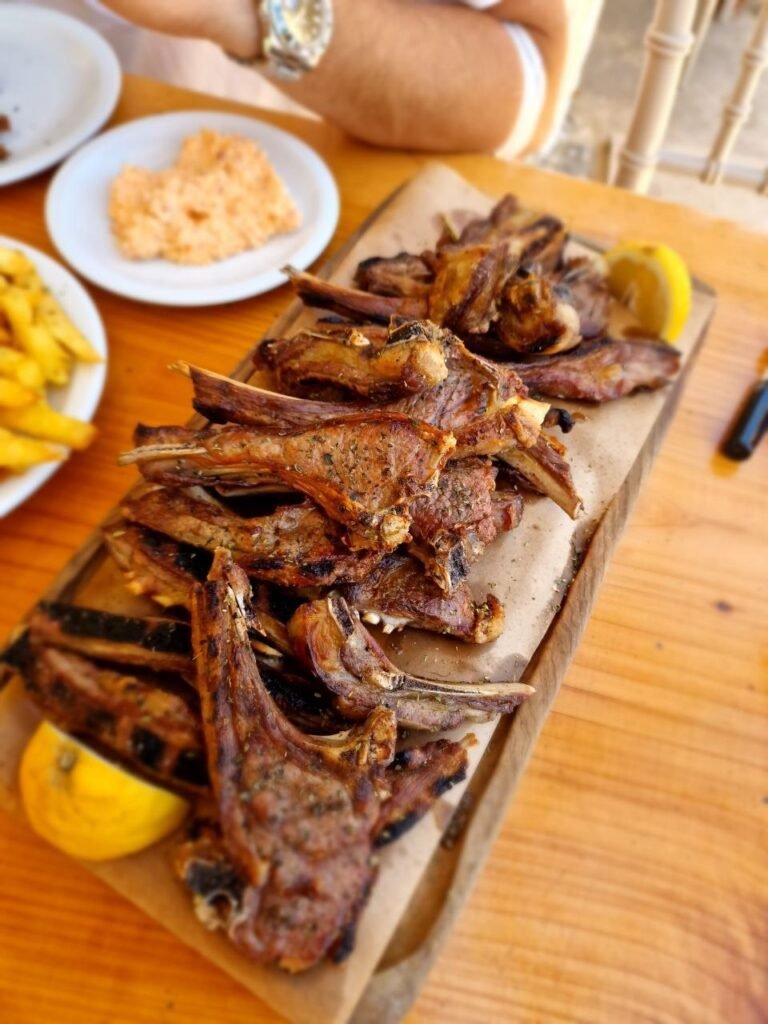
Winter is actually the best season for food in Crete. Summer tourism means standardized menus designed for international palates—moussaka, souvlaki, Greek salad. Winter brings genuine local cooking back to restaurant kitchens. Stifado (slow-cooked beef and pearl onions), pastitsada (rooster in wine sauce), and seasonal vegetable preparations become available because locals are eating them, not tourists ordering safe choices. A proper winter dinner in a village taverna costs €12-18 per person for mains, with local wine at €4-6 per bottle.
Wine tasting becomes more intimate and meaningful. Crete’s wine regions—particularly around Rethymno and the Heraklion foothills—welcome serious visitors in winter without the rushed pace of summer wine tours. Many family wineries operate by appointment only during winter, creating private tasting experiences. Meet actual winemakers rather than tour guides, discuss terroir over small production lots, and taste wines that never leave the island. Expect to pay €25-40 for meaningful tastings with local producers.
Olive oil season runs November through February, and visiting during this time lets you experience the annual harvest. Many olive groves offer visits during pressing season when you can see oil being made, taste fresh oil (completely different from bottled versions), and understand why Cretans treat olive oil as liquid gold. This authentic agricultural experience costs nothing to participate in at family operations, though small purchases are customary and appreciated.
| Winter Activity | Best Month | Approximate Cost | Duration | Why Winter is Better |
|---|---|---|---|---|
| Imbros Gorge Hiking | November-February | €3 entry + guide | 3-4 hours | No heat exhaustion, solitude, wildflowers |
| Village Taverna Dinner | November-February | €12-18 per person | 2 hours | Authentic local food, no tourist markups |
| Wine Tasting Tour | December-February | €30-50 per person | 3-4 hours | Private tastings, meet actual winemakers |
| Olive Oil Tasting/Farm Visit | November-January | Free to €15 | 1-2 hours | Experience active harvest season |
| Fortress/Archaeological Sites | November-February | €4-8 entry | 2-3 hours | No queues, better lighting, peaceful exploration |
Cultural Experiences and Local Traditions
Winter reveals Cretan culture in its purest form. If you’re visiting in December, you’ll encounter authentic holiday traditions—not commercialized Christmas markets but actual village celebrations where locals gather. Many villages host traditional music evenings, impromptu dances, and seasonal festivals that never appear in guidebooks. In January, villages celebrate Epiphany with traditional water blessing ceremonies at coastal areas and mountain springs, welcoming visitors who approach respectfully.
Monasteries become accessible in winter. The spiritual heart of Crete reveals itself through institutions like Arkadi Monastery near Rethymno or Preveli on the south coast. Winter visits mean fewer tour groups and more opportunity for quiet contemplation or genuine conversation with monks about Cretan Orthodox traditions. Many monasteries host informal evening services featuring Byzantine chanting, among the most moving experiences Crete offers.
Crafts workshops operate normally in winter. Traditional weaving, leather working, and pottery—still actively practiced in mountain villages—can be experienced directly. Artisans work year-round and winter brings more interaction time, as they’re not managing crowds. You can commission custom pieces, learn techniques, and understand the economics of traditional craftsmanship. This is where you book private tours in Crete that connect you with working artisans rather than tourist-oriented craft demonstrations.
Practical Planning: When to Visit and How Long to Stay
November offers the best balance—temperatures still pleasant (19°C daytime), fewer crowds than summer but more services open than deeper winter, and the island still feels alive. December brings holiday atmosphere and festive energy without excessive tourism. January offers maximum solitude and authenticity, ideal if you’re seeking peace and genuine cultural connection, though some smaller establishments close. February marks the transition toward spring, with wildflowers beginning to bloom and slightly warmer days.
Minimum stay should be five days to get beyond initial impressions. Three days barely covers Chania or Rethymno; five days lets you explore a region properly, take a hiking excursion, and actually settle into local rhythms. A week gives you time to split between coastal towns and mountain villages, try different restaurants multiple times, and experience Crete as something beyond a checklist destination.
Getting around requires realistic expectations. Winter storms occasionally disrupt ferries between mainland and islands, but they’re rare and brief. Rental car prices drop significantly (€25-35 daily in winter versus €60+ in summer), and roads are safe though some mountain passes close temporarily during heavy snow. Bus systems operate on winter schedules with fewer connections—plan accordingly rather than expecting summer frequency.
Where to Stay: Winter Accommodation Guide
Winter accommodation choices depend on your travel style. Chania and Rethymno offer excellent mid-range hotels (€70-120 per night) with genuine charm—Book small family hotels rather than chains for better local connections and information. Many boutique hotels closed in summer open specifically for winter guests seeking quieter stays. Airbnb offerings explode in winter with locals renting properties; entire homes cost €60-90 nightly in off-season rates.
Mountain villages offer traditional accommodation in restored stone houses, often family-run with breakfast included. These run €50-80 per night and provide authentic atmosphere plus proximity to hiking and village life. Hosts typically offer detailed local knowledge and can arrange experiences unavailable to standard tourists. Book directly with village properties rather than through aggregators—owners prefer direct contact and often provide better rates.
Consider staying in different locations during your winter visit. Base yourself in a coastal town like Chania for 3 days, then move to a mountain village for 2-3 days to experience Crete’s geographic and cultural diversity. Public transportation exists but renting a car (€25-30 daily) provides freedom and time-efficiency that makes multi-location stays realistic.
Frequently Asked Questions
Is it too cold to visit Crete in winter?
No—daytime temperatures of 12-15°C are mild for walking and exploring, and are entirely comfortable with appropriate layers. Winter is cooler but not cold by northern European standards. Swimming is cold (requiring a wetsuit), but all other activities are accessible and enjoyable without heavy winter gear.
Will major attractions be closed?
Most major sites remain open with reduced hours. Archaeological museums, fortresses, and historical sites operate year-round, often with fewer crowds meaning better access. Some smaller museums and beach-focused businesses close, but everything significant remains accessible. Check specific sites before your trip, but closure is the exception rather than the rule.
Are restaurants open in winter?
Yes, especially in towns and villages with year-round populations. Coastal resort areas may have limited options, but authentic tavernas serving locals remain open. Winter is actually when you find best food—traditional preparations made for locals rather than mass-market tourist versions. Always call ahead for small establishments, but restaurants exist.
What’s the best month for hiking in winter?
November offers ideal conditions—still warm enough for comfortable hiking but without summer heat. January and February bring mountain snow at higher elevations, which is beautiful but adds complexity. November and February are sweet spots for serious hiking without technical winter gear requirements.
How do winter prices compare to summer?
Accommodation typically costs 40-50% less than peak season. Restaurants charge normal prices without summer markups. Activities, car rentals, and most services drop 30-40% in winter. Your overall trip cost for comparable experiences runs roughly half of summer pricing.
Chat on WhatsApp — Plan Your Trip
Planning a private trip to Crete? 105 Olives Greece designs tailor-made luxury experiences for every travel style.
Explore more Crete travel guides →
n