
The Lefka Ori (White Mountains) in Crete offer Europe’s most accessible high-altitude hiking, with trails ranging from gentle morning walks to challenging multi-day expeditions. At 2,456 meters, Mount Psiloritis dominates the range, delivering jaw-dropping views across three seas and rewarding both seasoned hikers and determined beginners.
What Makes the White Mountains of Crete Special
The Lefka Ori stand apart from other Mediterranean mountain ranges because they combine serious alpine character with genuine accessibility. You can ascend from sea level to snow-capped peaks within a single hour’s drive, then hike at 2,000+ meters elevation without requiring ropes, permits, or mountaineering experience. The limestone geology creates dramatic white rock formations that glow at sunset, which is where the name originates.
What impresses most visitors is the range of options. You’re not forced to choose between a casual stroll or a grueling endurance test. Trails vary from the gentle Omalos Plateau loop (suitable for families, roughly 10 kilometers, 3-4 hours) to the demanding Psiloritis summit push (6-7 hours round-trip, 1,200 meters elevation gain). Weather changes rapidly here. Even in summer, mornings can start warm but turn chilly by mid-afternoon. Spring (April-May) and autumn (September-October) offer the best conditions: moderate temperatures, lower crowds, and wildflower-covered meadows that bloom across the plateaus.
The Psiloritis Summit Trail: Crete’s Highest Point
Mount Psiloritis dominates Crete’s interior, and hiking to its 2,456-meter summit is the definitive White Mountains experience. The standard route begins at the Nida Plateau, a high-altitude meadow accessible by car (about 80 kilometers south from Chania, roughly 90 minutes’ drive). From the plateau parking area, the trail ascends roughly 600 meters over 3 hours, following a mix of rocky paths and limestone scree fields.
The ascent itself demands steady legs and a reasonable fitness level, but it requires no technical climbing. Most hikers start before dawn (5:00 AM departure is typical) to reach the summit by early morning, catching the clearest views and avoiding afternoon clouds. On clear days, visibility extends 100+ kilometers, encompassing the Aegean Sea to the north, the Libyan Sea to the south, and the Cretan mainland in every direction. The summit chapel, dedicated to the Assumption of Mary, has stood at this altitude for centuries, a striking monument to Cretan resilience.
Total hiking time runs 6-7 hours round-trip for fit hikers; allow 8-9 hours if you’re moving at a moderate pace or this is your first high-altitude hike. The descent is tougher on the knees than the ascent, so bring trekking poles and supportive footwear. Accommodation and meals in the nearby village of Anogia (the nearest settlement, roughly 30 kilometers away) run 50-100 EUR per night for modest guesthouses, with traditional taverna meals at 12-18 EUR per plate.
Samaria Gorge: The Classic Multi-Hour Trek
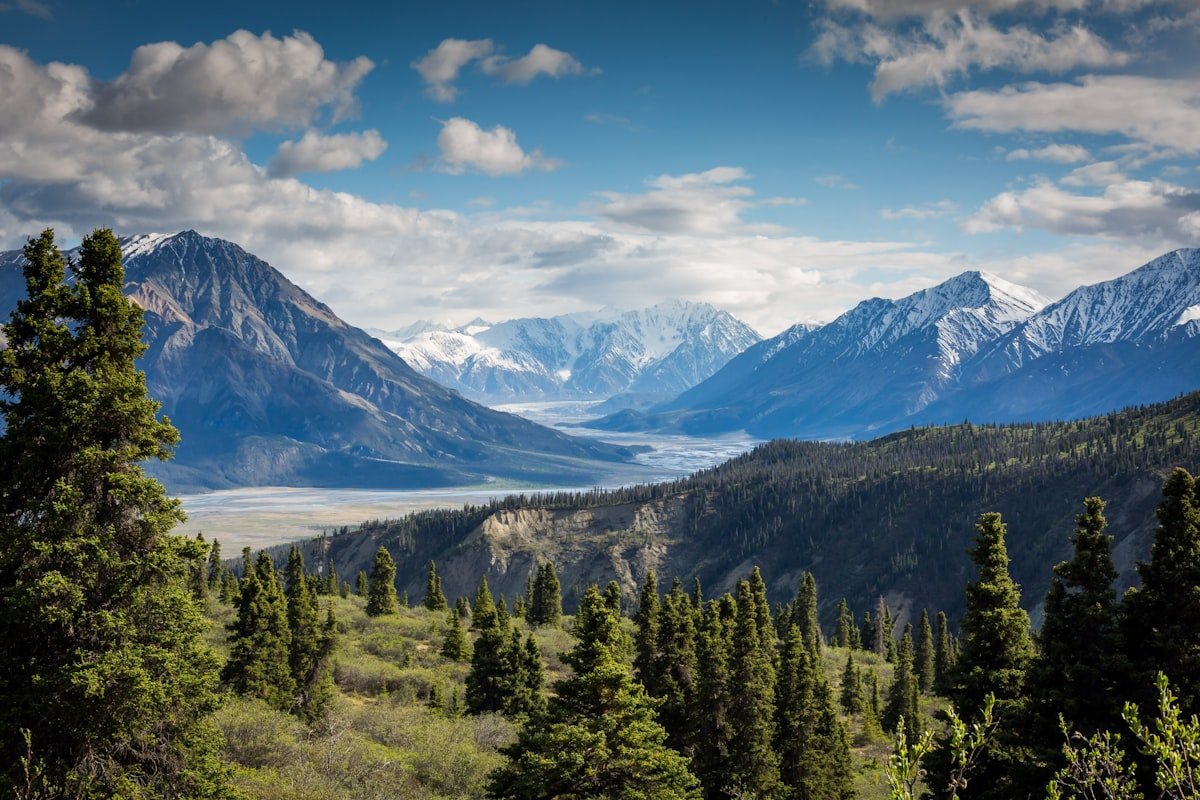
Samaria Gorge ranks among Europe’s most famous hiking destinations, and for good reason. This 16-kilometer canyon walk descends 1,250 meters from the Xyloskalo trailhead (1,227 meters elevation) down to the seaside village of Agia Roumeli on the Libyan Sea. The entire hike typically takes 5-7 hours depending on fitness and pace, but the payoff is extraordinary: towering canyon walls, ancient plane trees, and the reward of a swim in turquoise Mediterranean waters at journey’s end.
The gorge opens dramatically after the first hour. Paths narrow between walls that rise 600 meters on either side. Around kilometer 12, you’ll encounter the “Iron Gates” (Sideroportes), the gorge’s tightest section where canyon walls narrow to just 3-4 meters apart. The descent is relentless on the knees; many hikers find the second half harder than the first despite being nominally “easier.” Wear quality hiking boots with good ankle support. Spring water stations operate along the route, but don’t rely on them being fully stocked mid-summer.
Samaria Gorge operates as a managed national park (entry fee 5 EUR), and access is restricted from November through April due to flash flood risk. During summer months, the gorge can see 1,000+ hikers daily, which transforms the experience from wilderness adventure into a crowded social event. Consider visiting in late September or early October to avoid peak summer crowds while enjoying still-warm weather. From Agia Roumeli, water taxis depart for nearby Hora Sfakion (11 EUR per person, approximately 1 hour), where buses return hikers to starting points in Chania or Rethymno (8-12 EUR depending on distance).
High-Altitude Plateaus: Gentler Alternatives Worth Your Time
Not every mountain experience requires 6-hour endurance efforts. The Lefka Ori contain several high-altitude plateaus that deliver dramatic scenery with minimal exertion. The Omalos Plateau, sitting at 1,000 meters elevation and positioned directly above Samaria Gorge, offers a 10-kilometer loop walk through traditional shepherd villages, past wildflower meadows, and along canyon rim paths with vertigo-inducing views straight down into the gorge itself. The entire circuit takes 3-4 hours at a leisurely pace, making it perfect for families or hikers recovering between bigger efforts.
The Nida Plateau, higher at 1,580 meters, functions as both a hiking destination and a staging point for the Psiloritis summit. Even without summiting, a 2-3 hour circuit around the plateau reveals shepherd huts, Mediterranean stone pine forests, and stunning geological formations. The Venetian church of Timios Stavros crowns a nearby ridge, offering excellent photo opportunities and a tangible sense of Crete’s layered history.
For something truly off-the-beaten-path, consider the Askyfou Plateau in the western White Mountains. This 600-hectare high valley sits at 1,050 meters and remains largely unknown to international tourists. A network of old shepherd trails circles the plateau, passing through dense forests of Cretan black pine and connecting small traditional villages. Several family-run tavernas operate year-round, serving warming soups and stews for 8-12 EUR. Because the plateau attracts mostly local hikers and is rarely included in standard tour itineraries, you’ll experience authentic mountain Crete rather than tourist-focused infrastructure.
| Trail Name | Distance | Elevation Gain | Duration | Best For |
|---|---|---|---|---|
| Psiloritis Summit | 12 km round-trip | 600 m | 6-7 hours | Peak baggers, experienced hikers |
| Samaria Gorge | 16 km one-way | 1,250 m descent | 5-7 hours | Full-day adventure seekers |
| Omalos Plateau Loop | 10 km | 200 m | 3-4 hours | Families, moderate fitness |
| Nida Plateau Circuit | 8 km | 300 m | 2.5-3.5 hours | Morning walkers, photographers |
| Askyfou Plateau | Variable 6-12 km | 200-400 m | 2-4 hours | Quiet, authentic experiences |
Essential Gear and Preparation for Mountain Hiking
The White Mountains environment changes rapidly and demands respect. Even experienced hikers sometimes underestimate conditions here. Start with footwear: bring trail shoes or boots with strong ankle support and aggressive tread patterns. The limestone terrain is sharp and unforgiving on loose ankles. Trekking poles aren’t optional for longer hikes like Samaria or Psiloritis; they reduce knee stress on descents by 25-30 percent, which makes a genuine difference when you’re tired.
Weather shifts fast at altitude. Mornings can start at 15°C and warm to 25°C by noon, only to drop back down with afternoon wind. Pack layers: a moisture-wicking base layer, an insulating mid-layer, and a windproof jacket. Even in summer, bring a warm layer for pre-dawn starts and ridge-line exposure. Sun protection is non-negotiable. Use SPF 50+ sunscreen (reapply every 90 minutes), wear a hat with a brim, and consider UV-blocking sunglasses. The limestone reflects sunlight intensely, creating “double sun” exposure that burns skin surprisingly fast.
Hydration requires planning. Carry at least 2-3 liters of water capacity on longer hikes. While some trails have spring-water stations, these are unreliable in late summer. High-altitude hiking demands roughly 500 milliliters of water per hour of exertion. Pack energy foods: nuts, dried fruit, energy bars, and a couple of dates or figs deliver quick calories when motivation flags. Start your hike early (5:00-6:00 AM for Psiloritis, 6:00-7:00 AM for Samaria). This avoids afternoon heat, ensures you finish before dark, and means you’ll experience the best light and clearest visibility at higher elevations.
Timing Your Visit: Seasons and Weather Patterns
Crete’s weather divides hiking seasons clearly. Winter (November-March) brings substantial rain and occasional snow to high elevations, particularly above 1,500 meters. Samaria Gorge closes entirely due to flash flood risk. Spring (April-May) emerges as the premier hiking season. Temperatures range from 18-24°C at altitude, wildflowers bloom across plateaus, and spring water runs reliably. Crowds are moderate, and trail conditions are excellent. Expect to pay 60-100 EUR per night for mountain guesthouses and 15-20 EUR for traditional meals.
Summer (June-August) brings heat. Daytime temperatures at sea level reach 35°C, though high-altitude areas remain 8-12°C cooler. The advantage is reliability: skies stay clear, and water is predictable. The disadvantage is crowds (particularly on Samaria Gorge) and the necessity of very early starts to avoid afternoon heat. Autumn (September-October) rivals spring for quality. September still carries summer warmth while early October introduces cooling temperatures. October weather remains stable, and September crowds have thinned substantially. Our recommendation? Visit in late April, May, late September, or early October for the optimal combination of weather, visibility, and solitude.
Guide Services and Private Hiking Experiences
Hiking the White Mountains independently is absolutely possible, but hiring a guide transforms the experience. Local guides understand microclimates, know which trails are in best condition, and can navigate around crowds by timing or routing decisions. More importantly, they share stories about the landscape that bring Crete’s geology and culture alive. We arrange private mountain hiking tours with experienced Cretan guides who grow up in these mountains and hike them regularly. A full-day private guide service typically costs 200-350 EUR for groups of 2-4 people, including personalized itinerary design and logistical arrangements.
Private guides also address logistics. Rather than relying on crowded bus services or driving your own car to trailheads (navigation in mountain villages can be confusing), private arrangements ensure reliable transportation and timing coordination. Many visitors combine hiking with cultural experiences: guided walks through traditional villages, cooking classes using mountain herbs and produce, and meals at family tavernas where the owner’s grandmother still tends the kitchen. These integrated experiences cost 400-600 EUR per day for two people and deliver memories extending well beyond just the hiking itself.
| Essential Item | Why It Matters | Budget Estimate |
|---|---|---|
| Trail Boots | Ankle support on sharp limestone | 100-180 EUR |
| Trekking Poles | Reduce knee stress on descents by 25-30% | 50-100 EUR |
| Sun Protection (SPF 50+, Hat) | Limestone reflects sunlight intensely | 30-50 EUR |
| Hydration Pack (2-3L capacity) | Reliable water access on all trails | 40-80 EUR |
| Layered Clothing (base, mid, jacket) | Temperature swings of 10°C+ at altitude | 150-250 EUR |
| Navigation (map or GPS) | Trail intersections can be confusing | 0-50 EUR |
After the Hike: Recovery and Local Experiences
Serious hiking leaves you pleasantly exhausted but legitimately sore, particularly if you’re not accustomed to mountain work. Schedule recovery time. Spend the afternoon after Samaria Gorge or a Psiloritis summit day swimming in calm coastal waters or soaking in thermal springs. Several natural hot springs operate in the region around Loutro and Agia Roumeli (free or 2-3 EUR entry), fed by geothermal activity and offering relaxation that reduces post-hike soreness. The combination of hiking exertion followed by thermal water immersion and Mediterranean seafood creates a complete sensory recovery experience that locals have practiced for centuries.
Meals matter too. After hiking, your body craves protein, carbohydrates, and minerals. Traditional Cretan cuisine delivers this naturally. Order lamb or goat stew (stifado, typically 14-18 EUR), feta cheese with mountain honey, fresh bread, and local wine. Mountain villages like Anogia and Vrisses maintain authentic tavernas where meals are prepared daily rather than pre-made for tourists. You’ll eat better, spend less (12-16 EUR main courses versus 18-25 EUR in coastal tourist zones), and experience genuine hospitality.
Frequently Asked Questions
Do I need mountaineering experience to hike the White Mountains?
No. The Lefka Ori offer excellent options for hikers of varying abilities. High-altitude plateau walks and gorge hikes require only moderate fitness and proper preparation. Technical climbing is not required on any standard route. The Psiloritis summit demands fitness but no rope skills or mountaineering knowledge.
What’s the best time to hike Samaria Gorge or Psiloritis?
Late April through May and late September through early October offer ideal conditions: temperatures between 18-24°C at altitude, reliable water, minimal crowds, and excellent visibility. Avoid July-August for crowds and intense heat, and November-March when weather becomes unpredictable and gorges close due to flood risk.
Can I hike these trails without a guide?
Yes, trails are marked and waypoints are identifiable, particularly on Samaria and Psiloritis. However, a local guide adds immense value through storytelling, safety awareness, optimal routing decisions, and cultural context. Mountain weather changes rapidly, so guides provide genuine security for first-time visitors.
How much water should I carry?
Carry minimum 2-3 liters capacity. While some spring-water stations exist along major trails, relying on them exclusively is risky. High-altitude exertion requires roughly 500 milliliters per hour of hiking. Plan for self-sufficiency and top up at stations when available.
Are these hikes safe for families with children?
Absolutely, depending on your children’s age and fitness. Plateau walks like Omalos (10 kilometers, 3-4 hours) suit families well. Samaria Gorge works for older children (10+) with reasonable fitness, though the 16-kilometer distance and 5-7 hour duration challenge many. Psiloritis summit requires genuine fitness and shouldn’t be attempted by young children.
Planning a private trip to Crete? 105 Olives Greece designs tailor-made luxury experiences for every travel style.
Chat on WhatsApp — Plan Your Trip
Explore more Crete travel guides →
