
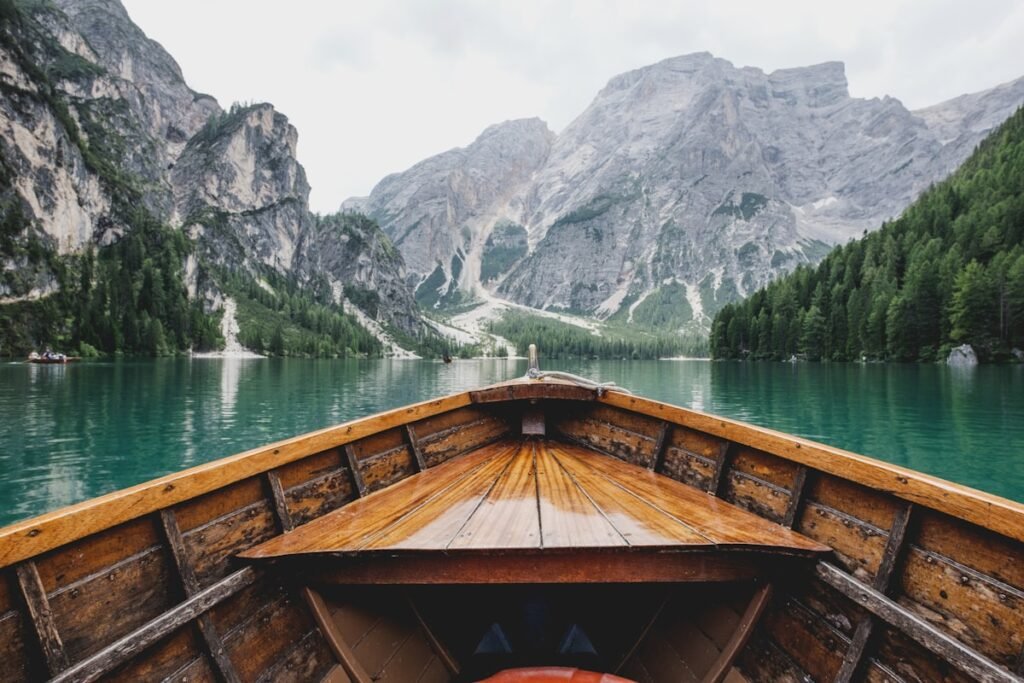
Gavdos island sits 63 kilometres south of Crete, claiming the distinction of being Europe’s southernmost inhabited land—a wild, windswept outcrop where the Libyan Sea crashes against ochre cliffs and only 50 year-round residents tend goats and tend to their simple way of life. Standing at Cape Trypiti, the southernmost point of the island, you’ll understand why ancient Greeks called it the edge of the known world: nothing but open Mediterranean stretches to Africa, 400 kilometres away. Gavdos island is not a resort destination; it is a place of raw beauty, solitude, and adventure that demands respect and careful planning. For travellers seeking to escape the crowded beaches of Crete and step into a genuine frontier experience, Gavdos island offers an unforgettable pilgrimage to one of Europe’s most remote inhabited corners.
Want a quick answer? Message us on WhatsApp or fill in our trip-planning form — we reply the same day.
Why Gavdos Island Matters: Europe’s Edge
Gavdos island holds a claim unlike any other Mediterranean destination: it is the southernmost inhabited territory in Europe. The island’s significance extends far beyond geography, however. At just 9.3 square kilometres and home to fewer people than some apartment blocks in Athens, Gavdos represents a vanishing way of life—one where electricity arrived only in 1993, where cars are impractical, and where the primary mode of transport remains the human foot or a donkey. The island’s three capes—Trypiti to the south, Ambelos to the east, and Sidero to the west—each offer dramatic vistas that remind visitors of their smallness against the Mediterranean’s vast indifference.
The journey to Gavdos island itself becomes part of the adventure. Ferries depart from two gateways: Sfakia (Χώρα Σφακίων), a charming port town 77 kilometres southwest of Rethymno, or Paleochora (Παλαιοχώρα), a laid-back coastal settlement 80 kilometres south of Chania. Both crossings take 2 to 3 hours depending on sea conditions, and the route follows the same waters where Minoan traders once sailed. The journey commands respect—the Libyan Sea is notoriously unpredictable, and the ferry operates on a reduced schedule, with departures sometimes cancelled during winter storms. This isolation is precisely what preserves Gavdos: mass tourism cannot easily penetrate an island without hotels, supermarkets, or reliable electricity. Only 120 to 200 visitors arrive per day in high season, and many come as day-trippers from Sfakia.
The island’s name carries etymological mystery. Some scholars connect it to the Phoenician word for “island,” while others trace it to ancient Greek traditions linking it to the mythological figure Gavdo. Historically, the island served as a refuge for Byzantine monks, Ottoman corsairs, and Cretan rebels during the periods of foreign rule. Archaeological evidence suggests intermittent habitation dating back to the Minoan period, though no major settlements developed. The Romans called it Clauda, and the name appears in biblical texts as a place where Saint Paul’s ship took shelter during a storm en route to Rome. Today’s residents are predominantly descended from Cretans who arrived over the past two centuries, seeking isolation from mainland conflicts or simply preferring the island’s rugged independence.
Modern Gavdos island exists in a curious state of development. The island has a primary school (though most children now attend secondary school on Crete), a health clinic staffed by a visiting doctor, a few small stores that stock basic provisions, and a handful of family-run tavernas. There is no banking ATM—you must bring cash from Crete. Accommodation consists almost entirely of rooms let by locals, guesthouses without frills, and in summer, permitted wild camping in designated areas. Water is precious, collected from wells and cisterns, and fresh produce is largely what islanders grow themselves or what arrives on the weekly ferry. Internet connectivity arrived only recently and remains intermittent. For luxury-accustomed travellers, Gavdos island will initially feel uncomfortable; for those willing to embrace simplicity, it becomes transcendent.
Getting to Gavdos Island: Routes, Ferries & Logistics
Ferry Services from Sfakia
Sfakia (also spelled Sphachia) serves as the primary gateway to Gavdos island and is positioned on Crete’s dramatic southern coast, 77 kilometres from Rethymno by winding mountain road. The port town is accessible via the E75 national highway and the stunning Sfakia Road, a descent through the White Mountains that rivals any alpine drive in Europe. Ferry operator Anendyk operates the main service, departing Sfakia at 08:30 daily in summer months (June to September) with returns from Gavdos at 16:00, allowing roughly 7 hours on the island. The journey takes approximately 2 hours and 45 minutes; the ferry accommodates roughly 120 passengers and costs €17.50 per person, one way. During shoulder seasons (May and October), departures may reduce to three times weekly, and winter service (November to April) typically suspends entirely, though occasional crossings operate on demand. Book tickets at the port kiosk or through Sfakia’s accommodation providers at least one day ahead; advance booking is essential during July and August.
The Sfakia ferry route is renowned for its scenic drama and unpredictable sea state. The vessel hugs the Cretan coastline for the first hour, passing the dramatic Samaria Gorge’s seaward terminus at Agia Roumeli, before turning south-southwest into open sea. Seasickness medication is wise if you are prone to motion; the crossing can be rough, particularly in May or September when storms roll through the southern Mediterranean. Sfakia itself merits an overnight stay before or after your Gavdos visit: the village offers excellent tavernas (including the legendary Taverna Thalassino for fresh fish, €18-32 per main course), charming waterfront accommodation in the €85-140/night range, and a gateway to the Samaria Gorge hiking trail. We recommend multi-day tours from Crete that combine Gavdos exploration with Sfakia’s other attractions for a more integrated southern coast experience.
Ferry Services from Paleochora
Paleochora (Παλαιοχώρα) offers an alternative, slightly less used gateway to Gavdos island, positioned 80 kilometres south of Chania on the island’s southwest peninsula. The town is reached via the scenic Paleochora Road, descending through olive groves and traditional villages such as Kandanos. The Paleochora to Gavdos ferry operates less frequently than Sfakia’s service, typically departing at 08:00 on Mondays and Fridays in summer, with returns at 15:30, and costs an identical €17.50 one way. Journey time is approximately 3 hours due to the route’s longer southwesterly approach. The advantage of Paleochora is atmosphere: it is a more relaxed, bohemian town than Sfakia, with a sandy beach, a Venetian fortress, and a far smaller tourist infrastructure. Accommodation ranges from €70-120/night in guesthouses, and tavernas such as Taverna Estia (mains €14-28) serve excellent local fare without the crowds. Paleochora attracts beach-lovers and alternative travellers; many visitors combine a few nights here with a Gavdos day trip.
Booking and timing strategies for the Paleochora ferry differ from Sfakia. The reduced frequency means planning is essential—miss the Friday departure, and you cannot return until Monday. Paleochora’s ferry booking is handled through the port authority or accommodation providers; there is no dedicated ticket kiosk. We advise booking your ferry journey at least three days ahead via your accommodation or through the local municipality office. The journey itself follows a slower, more southwesterly arc, passing the island of Gavdopoula (a smaller, uninhabited sister island) before reaching Gavdos proper. This route is often slightly calmer than Sfakia’s direct crossing, making it preferable for those concerned about seasickness. Paleochora also serves as a base for exploring Crete’s southwestern peninsula, including the Polyrinia Gorge and the pink-sand beaches of Elafonissi (35 kilometres north, 45-minute drive).
High Season vs. Off-Season Crossing Considerations
The Gavdos island ferry schedule follows strict seasonal patterns that profoundly affect your visit. From June through September, both Sfakia and Paleochora operate daily or near-daily services, with the exception of days when sea state exceeds safety limits (Beaufort scale 6 or higher). July and August represent peak season, with ferries often full by 09:00 and day-trippers dominating the island’s beaches. Prices remain stable year-round, but accommodation becomes scarce and must be booked weeks in advance. May and October offer ideal conditions: fewer visitors, operating ferries, comfortable temperatures (18-24°C), and spring wildflowers or autumn light. Winter (November to April) is unpredictable; ferries cease regular operation, though occasional charter services run if sufficient demand exists. Spring travel (April-May) is recommended for solitude seekers: you’ll encounter fewer than 30 daily visitors, and the island’s landscape erupts in ephemeral green after winter rains.
Gavdos Island’s Three Capes & Coastal Landscapes
Cape Trypiti: The Southernmost Point
Cape Trypiti (Ακρωτήριο Τρυπιτής) stands as the island’s southern extremity and Europe’s southernmost inhabited territory—a designation that draws pilgrims and geography enthusiasts from across the continent. The cape sits approximately 5.5 kilometres south of Kastri village (Γαύδος’s main settlement) via a walking trail that descends through scrubland, olive groves, and patches of wild herbs. The final approach involves scrambling over loose limestone to reach a coastal plateau where a simple white monument and GPS marker confirm the coordinates: 34°47’39″N, 24°06’20″E. The view from Trypiti is profound: nothing but ocean extends toward the horizon, with Libya approximately 400 kilometres south and no land mass between you and Africa. On exceptionally clear winter days, visibility extends 50+ kilometres across the Libyan Sea. The walk takes approximately 90 minutes from Kastri one-way, and the trail is marked intermittently with cairns; bring substantial water as no shade exists on the exposed southern plateau.
Cape Trypiti’s landscape is harsh and beautiful: white limestone formations, sparse vegetation adapted to salt spray and wind, and a coastline of collapsed sea caves (hence the name “Trypiti,” meaning “perforated”). In Roman times, a watchtower occupied the plateau, guarding against pirates and North African corsairs. Faint remains of stone structures persist, though the site has never been formally excavated. The cape’s isolation makes it ideal for reflection—many visitors sit for hours watching the light change across the water. Early morning light (06:30-08:00) bathes the landscape in amber tones, while afternoon sun creates dramatic shadows on the rocky cliffs to the west. Bring a picnic of local cheese, bread, and wine purchased in Kastri village; many visitors spend half a day at Trypiti, returning as the sun approaches the horizon. Swimming is possible at a small rocky cove to the east of the plateau, though the water is notoriously cold (15-18°C even in summer) and the sea state can be fierce.
Cape Ambelos & the Eastern Cliffs
Cape Ambelos (Ακρωτήριο Αμπέλου) forms the island’s northeastern extremity, a more accessible walk than Trypiti and considerably less visited by day-trippers. The cape lies approximately 8 kilometres northeast of Kastri, a 2-hour return walk through the island’s interior, passing small olive groves and occasional herds of wild goats that have roamed Gavdos for generations. The trail winds through villages of Vatsiana and Ambelos (both tiny hamlets with fewer than five resident families), crossing dry stone walls and patches of cultivated land that have been worked for centuries. Cape Ambelos itself features dramatic sea cliffs, some exceeding 80 metres in height, with a small white chapel of Agia Irini perched improbably on the cliff edge. The chapel dates to the Byzantine period and remains in use today, with locals maintaining the shrine and occasionally celebrating Orthodox festivals there.
The eastern coastal landscape around Ambelos differs markedly from Trypiti’s barren plateau. Here, the cliffs plunge into deep blue water where seabirds—primarily cory’s shearwaters and Eleonora’s falcons—nest in crevices and hunt for fish. The geological formations display striking parallel stratification, evidence of Gavdos island’s complex tectonic history as a fragment of the African continental plate. On calm days, swimmers can access a small pebble beach west of the cape, accessible via a steep scramble, though the isolation means rescue assistance would be hours away if an accident occurred. The walk to Ambelos is less crowded than the Trypiti pilgrimage, offering genuine solitude; many visitors report seeing no other people during the entire journey. The trail is less formally marked than Trypiti’s, and navigation requires careful attention to cairns and local knowledge. Hiring a local guide is advisable; several residents offer informal guiding services for €40-60 per person for small groups.
Cape Sidero & the Northern Approach
Cape Sidero (Ακρωτήριο Σίδερο) occupies the island’s northwestern corner, the least visited of Gavdos’s three great capes and accessible only to determined hikers or those with local knowledge. The 6-kilometre walk from Kastri takes approximately 2.5 hours one-way, passing through the island’s northwestern settlements of Sarakina and Ambelos, then descending toward the cape’s rocky extremity. Unlike Trypiti’s famous monument or Ambelos’s Byzantine chapel, Sidero remains virtually unmarked—a wild, wind-scoured point of jumbled boulders and sparse vegetation where few visitors ever arrive. The isolation makes it precious: standing at Sidero, you genuinely feel at the edge of the European continent, with Crete’s mountains invisible across the northern horizon and nothing but open sea in every direction.
The geological composition around Sidero differs from the southern capes: rather than white limestone, the rock here is darker, more volcanic in origin, evidence of Gavdos island’s position at the boundary between the African and European plates. The cape’s seaward side features dramatic sea stacks and small offshore islets (notably Mikronissos), creating a landscape of jagged beauty. The hike itself is challenging: the final approach involves scrambling over boulders with minimal trail marking, and the exposure to wind is considerable. However, this difficulty ensures solitude—on a typical summer day, you may be the only non-resident visitor at Cape Sidero. Swimming is possible at a sheltered cove to the southeast, where the water is marginally warmer and more protected from the notorious northwesterly winds that batter the cape. The reward for reaching Sidero is profound: a sense of arrival at a genuine wilderness corner, unmarked by tourism infrastructure or crowds.
Beaches, Swimming & Coastal Activities
Gavdos island’s beaches are unlike Crete’s resort-lined shores: they are wild, often windswept, and populated more by seabirds and goats than by sunbathers. The primary settlement beach at Sarakiniko (Σαρακινικό) stretches approximately 200 metres of dark sand and pebbles immediately below Kastri village, easily accessible via a 10-minute walk or scramble down steps cut into the cliff. Sarakiniko has a simple beach bar (operating mid-June through September, serving drinks and basic food for €5-12) and is the island’s most sheltered swimming spot, though even here the sea state can become rough within hours. The water temperature ranges from 16°C in March to 24°C in August, and currents can be surprisingly strong; swimming should only occur on calm days, and a buddy system is essential.
Secondary beaches dot the island’s coastline, each with distinct character. Potamos Beach (Παραλία Ποταμού), situated approximately 3 kilometres northeast of Kastri via a steep descent, features a small stream descending from the island’s interior—rare freshwater access on Gavdos—and attracts fewer visitors due to its remoteness. The beach is composed of large pebbles interspersed with coarse sand, backed by small cliffs where nesting birds occupy crevices. Lavrakonissos Beach lies further east, a pristine 150-metre arc accessible only to confident scramblers willing to descend loose scree. The isolation of these secondary beaches means that assistance is not readily available; swimming should be conservative, and you should inform someone of your intended location before departing. Vatsiana Beach, west of the main settlement, is predominantly rocky but offers excellent snorkelling in the clear water, with occasional glimpses of grouper and sea bream in deeper pools.
Water sports and diving are not feasible on Gavdos—there are no facilities, equipment rental, or professional instruction available. The water is extraordinarily clear (visibility often exceeds 30 metres), making snorkelling exceptionally rewarding for those with basic equipment. Bring your own mask, fins, and snorkel; the limestone formations support healthy populations of damselfish, grouper, and occasionally larger species such as amberjack. The most consistent marine activity involves observing seabirds: Eleonora’s falcons during summer months (July-September) are frequently sighted hunting small fish, and occasional sightings of Audouin’s gull—a Mediterranean endemic nearly extinct in the 1980s but recovering thanks to conservation efforts—have been documented near Gavdos’s rocky outcrops.
Kayaking around Gavdos island is technically possible for experienced paddlers, though the strong currents, unpredictable sea state, and absence of rescue infrastructure make it unsuitable for most visitors. The island’s 20-kilometre coastline features numerous sea caves, notably the expansive cavern systems on the island’s eastern cliffs, which are inaccessible except by boat. A few local boatmen offer informal day trips around the island (approximately €80-120 per boat, accommodating 4-6 people), departing early morning and returning by midday. These trips provide perspective on Gavdos island’s coastal drama that cannot be gained from land-based hiking, and they are worthwhile if sea conditions permit and you enjoy boat-based adventures. Fishing trips are also available, though catches are typically small (mostly bream and wrasse in summer waters), and the tradition of line-fishing from rocks persists among islanders as a food source rather than recreation.
| Location / Activity | Distance from Kastri | Walking Time | Difficulty | Best Season |
|---|---|---|---|---|
| Cape Trypiti (southernmost point) | 5.5 km south | 90 minutes one-way | Moderate | May-October |
| Cape Ambelos (northeast) | 8 km northeast | 2 hours one-way | Moderate-Hard | April-November |
| Cape Sidero (northwest) | 6 km northwest | 2.5 hours one-way | Hard | May-September |
| Sarakiniko Beach | Adjacent to Kastri | 10 minutes | Easy | June-September |
| Potamos Beach | 3 km northeast | 45 minutes one-way | Moderate | June-September |
| Vatsiana Village & beach | 2.5 km west | 40 minutes one-way | Easy-Moderate | April-October |
| Lavrakonissos Beach | 5 km east | 90 minutes one-way | Hard | June-August |
| Vatsiana to Ambelos trail | 4 km | 1.5 hours | Moderate | April-November |
Accommodation, Camping & Where to Stay
Gavdos island offers no hotels, resorts, or commercial tourism infrastructure in the conventional sense. Accommodation consists almost entirely of rooms let by local families, small informal guesthouses, and designated wild camping areas. The limited beds available—approximately 80-100 across the entire island—fill rapidly during July and August, and booking without advance reservation risks sleeping rough or returning to Crete. Kastri village, the de facto capital, concentrates most available accommodation. Traditional stone houses have been converted to rent rooms at approximately €45-75 per night for basic double or twin bedrooms with shared or ensuite bathrooms. Amenities are minimal: expect squat toilets in older properties, cold showers (hot water is heated by solar panels or wood stoves, unreliable in winter), and minimal electrical infrastructure. There is no WiFi in most accommodations, and mobile telephone coverage is patchy, operating primarily through a single Vodafone mast overlooking Sarakiniko Beach.
The island’s single formalised guesthouses—Gavdos Rooms and Kali Kardia—offer slightly improved comfort at €60-90 per night, with private bathrooms, mosquito screens, and basic amenities such as fans (air conditioning does not exist on Gavdos). These properties fill first, and direct booking is essential: contact information is available through Sfakia’s tourism office or via word-of-mouth through your Crete accommodation provider. Meals are not typically included; dining occurs at the two main tavernas in Kastri (Taverna Stella and Taverna Maria) or through arrangement of meals with your accommodation host (typically €12-18 for a simple dinner of local produce, cheese, and wine). Payment is exclusively cash; there are no card-payment facilities, and an ATM exists only in Sfakia or Paleochora. If accommodation is unavailable in Kastri, secondary villages of Vatsiana (west) and Ambelos (east) each have 1-2 informal room-rental options at similar prices.
Wild camping (wild camping) is permitted on Gavdos island in designated zones, a practice that attracts younger, budget-conscious travellers and adventure seekers. The designated camping areas include a zone near Potamos Beach (northeast coast) and a small plateau west of Cape Trypiti, where unofficial “camps” develop during summer months. Wild camping is free, but the experience is stark: there are no facilities whatsoever, no potable water (bring minimum 3-4 litres per person daily), no toilets (all waste must be carried away), and no protection from wind or weather. The island’s exposure to northwesterly winds means camping can be extremely uncomfortable in exposed locations; many campers use tents weighted with rocks or dig shallow trenches to create windbreaks. The entire wild-camping community is expected to follow strict Leave No Trace principles: any waste must be carried away, campfires are strictly prohibited (fire danger is extreme in summer), and departure should leave no visible trace. We recommend camping only if you have genuine wilderness camping experience; unsuitable preparation leads to discomfort and can damage the island’s fragile environment.
Water management is the critical constraint for all accommodation types on Gavdos island. The island has no permanent freshwater sources; water is collected from winter rainfall via cisterns and wells, pumped manually, and rationed strictly during summer months when rainfall ceases. Showers are encouraged to be brief (2-3 minutes maximum), and toilets are often outdoors, composting systems or pit facilities rather than modern flush toilets. If water becomes extremely scarce (which occurs occasionally in late August during drought years), accommodation closures or evacuation may be necessary. Accommodation hosts manage water with impressive efficiency, but guests must cooperate. Bring minimal luggage: the island’s rough paths and lack of vehicle infrastructure make large suitcases impractical. A 30-40 litre hiking rucksack is ideal; overnight trips to remote beaches or multi-day explorations require lightweight camping equipment.
When to Visit: Seasonal Considerations
Gavdos island’s climate follows a Mediterranean pattern with distinct seasonal characteristics that profoundly affect the visitor experience. Summer (July-August) brings warm, dry weather (28-32°C), minimal rainfall, and calm sea conditions that maximise ferry reliability. However, this season also brings crowds (relatively speaking: still only 120-200 daily visitors), full accommodation, and the island’s least comfortable conditions: wind from the north intensifies, water is at minimum levels (rationing may occur), and temperatures spike uncomfortably in the afternoon. Spring (April-May) and early autumn (September-October) offer superior conditions: temperatures of 18-24°C, regular (but not daily) ferry service, manageable visitor numbers (30-50 per day), and the island’s landscape bursting with wildflowers in spring or bathed in golden light in autumn. Winter and early spring (November-March) sees ferry services suspended or highly irregular, unpredictable weather with occasional storms, cooler temperatures (10-15°C), and raw, dramatic seascapes that appeal only to hardy adventurers or photographers. Late May is arguably optimal: the island is warming, wildflowers persist, ferries run reliably, and visitor numbers remain modest.
Wind patterns dictate practical considerations on Gavdos island. The northwesterly Etesian winds dominate from June through August, creating challenging sea conditions for ferries and making beach time uncomfortable without wind protection. These same winds provide natural air-conditioning during the hot season but make camping and outdoor activities genuinely uncomfortable. Spring winds (March-May) tend to be more variable and less intense. Autumn (September-October) transitions to calmer conditions as winds subside. Seas are calmest in September-October and again in April-May; ferries are most reliable during these windows. Conversely, the Mediterranean’s worst weather occurs November-February, when Atlantic storm systems cross the basin and seas can exceed Beaufort scale 7, forcing ferry cancellations. If you plan a Gavdos visit, aim for late April through early June or late August through early October; these windows offer the optimal blend of weather, sea conditions, accommodation availability, and visitor solitude.
Consider your physical condition when choosing seasonality. The island’s terrain is demanding: reaching the three capes requires sustained walking on exposed, rocky terrain, and the summer heat amplifies effort. Older visitors or those with limited mobility should avoid July-August and instead visit in May, September, or October when temperatures are more moderate. Similarly, families with young children find spring or early autumn more manageable; summer’s heat and water scarcity make young children uncomfortable. Photographers will find September-October optimal: the angle of autumn sunlight dramatically illuminates the island’s cliffs and creates rich colour saturation, while spring offers abundant wildflowers and dramatic skies. Choose your season not merely for comfort but for the quality of the experience you seek.
💬 Chat on WhatsApp — Plan Your Trip
Frequently Asked Questions
Can I visit Gavdos island as a day trip from Crete?
Yes, day trips are the most common way to visit. Ferries from Sfakia depart at 08:30 with returns at 16:00 (approximately 7 hours on the island), allowing sufficient time to reach Cape Trypiti and return. However, day trips are rushed; overnight stays provide a more authentic, unhurried experience and allow exploration beyond the main cape. Many visitors regret not staying overnight.
Is the ferry reliable, and what happens if crossings are cancelled?
Ferry reliability is approximately 85-90% during summer months; cancellations occur when sea state exceeds safe limits (typically 5-10 days annually from June-September). Operators notify passengers the evening before cancellations. If your departure is cancelled, alternative dates usually become available within 1-3 days. Avoid booking connecting transport to Sfakia immediately after your planned Gavdos visit; build in a 1-2 day buffer.
Do I need hiking experience or special equipment to reach the capes?
Cape Trypiti is accessible with basic fitness and no specialised equipment, though sturdy walking shoes and 2-3 litres of water are essential. Capes Ambelos and Sidero require more hiking experience and careful navigation; hiring a local guide (€40-60 per person) is advisable for first-time visitors attempting these routes. Bring a GPS device or offline maps as trail marking is minimal.
What should I pack for Gavdos island?
Pack minimally: lightweight hiking clothes, sturdy walking shoes, sun protection (hat, sunscreen SPF 50+), 1-2 litres of water per person daily, basic toiletries, a lightweight waterproof layer for wind, swimwear, and any prescription medications. Bring €100-150 cash; no card payments exist. A lightweight headlamp is useful for evening navigation. Do not pack cosmetics or products that will clog island water systems.
Are there restaurants or food shops on Gavdos island?
Two simple tavernas operate in Kastri during summer: Taverna Stella and Taverna Maria, serving basic Greek fare (mains €8-16) prepared from local produce and fish. A small shop stocks bread, tinned goods, and basic provisions, but selection is limited. Accommodation providers can arrange simple meals with advance notice. Otherwise, bring dry snacks and picnic items from Sfakia or Paleochora to supplement restaurant meals.
Insider Tips: How to Experience Gavdos Island Authentically
Most day-trippers follow a predictable circuit: ferry arrival at approximately 11:00, rush to Cape Trypiti (arriving noon-13:00), brief time at the cape, and departure by 15:30 to catch the return ferry. To escape this crowded rhythm, arrive on an early morning ferry and head immediately not to Trypiti but to Potamos Beach or Vatsiana village, spending your first hours exploring the island’s quieter corners away from the mid-day crowds. Return to Trypiti late afternoon (14:00-15:00) when the main crowds have departed, allowing a more contemplative experience. Many visitors report that afternoon light transforms the landscape: the low sun angle illuminates the southern cliffs dramatically, and the human shadows on the plateau diminish as people leave. If staying overnight, this timing shift is automatic—you’ll naturally avoid crowds.
Cultivate relationships with island residents, who are usually welcoming once they perceive genuine interest rather than casual tourism. Accommodation hosts frequently offer informal guidance: they may recommend lesser-known paths, introduce you to local fishermen willing to offer boat trips (€80-120), or arrange evening meals with their families. The taverna operators, particularly Maria at Taverna Maria, provide genuine conversation and insights into island life; purchasing drinks and meals supports the island’s economy and opens doors to local stories. Learning a few Greek phrases dramatically improves interactions: “Kalispéra” (good evening), “Efharisto polí” (thank you very much), and “Kalò krevati” (sleep well) are appreciated by islanders who encounter few non-Greek speakers. Avoid discussing property development, tourism expansion, or comparisons to other Greek islands—sensitive topics that spark debate among residents concerned about preserving their isolation.
Timing your cape visits with wildlife observation dramatically enriches the experience. Birdwatchers should visit in late July through August, when Eleonora’s falcons are most active hunting seabirds around the cliffs; the island is a key Mediterranean stronghold for this rare raptor. Early morning visits (departing Kastri by 06:30) reward patient observers with sightings of kestrels, peregrine falcons, and seabirds returning to cliffs after night feeding. Botanists should visit April-May when wildflowers blanket the island: endemic species such as Cretan marguerite (Chrysanthemum coronarium ssp. coronarium) and wild cyclamen (Cyclamen creticum) are most abundant. Sunset observation is underrated: the western cliffs around Cape Sidero or the southern plateau at Trypiti glow burnt orange as the sun descends toward Africa, and the silence is profound—worth staying until 20:00 (or later in summer) to experience full darkness and starry skies unlit by artificial light.
Document your experience thoughtfully, respecting both the environment and other visitors. Photography is wonderful—the island’s landscapes are genuinely dramatic—but avoid drones, which disturb nesting birds and disrupt the sense of wilderness that makes Gavdos precious. If wild camping, observe strict Leave No Trace practices: microtrash (rubber bands, small pieces of plastic, cigarette butts) accumulates if visitors are careless, and it is nearly impossible to remove once trampled into soil or hidden among rocks. Use a personal waste system (small sealed bag) if necessary, and carry all organic waste away. Dispose of human waste properly: at least 30 metres from any water source, in a shallow cat-hole dug 15-20cm deep, burying all waste and used toilet paper. This may sound extreme for a Mediterranean island, but the island’s fragile ecosystem and minimal facilities make responsible behaviour essential to preserve Gavdos for future visitors.
Budget & Costs: What to Expect
A full-day Gavdos visit from Crete requires a budget of approximately €60-100 per person, comprising ferry costs (€35 return), accommodation if overnight (€50-75), meals (€20-30 for two basic meals at tavernas), and miscellaneous supplies (snacks, water, sunscreen). This assumes mid-range comfort; budget travellers using wild camping and self-catered food can reduce daily costs to €40-50, while those seeking guesthouses and restaurant meals should budget €80-120 daily. Ferry costs are fixed at €17.50 one-way regardless of season. Accommodation shows minimal seasonal variation: summer may see slight price increases (€5-10 premium for July-August) but availability is more constrained than price. Conversely, shoulder seasons (May, September, October) may see reduced prices (€40-60 per night) if booked directly with accommodation providers outside of peak dates.
Additional costs to consider: many visitors arrange informal boat trips with local fishermen (€80-120 for 4-6 people, 2-3 hours duration) or hire guides for cape visits (€40-60 per person for 2-4 people), enhancing the experience at moderate cost. Medical care, if required, is limited to a part-time health clinic; serious injuries or illness requires evacuation to Crete by coast guard helicopter (theoretically cost-free for EU citizens under reciprocal health agreements, but verify your coverage). Hiring rooms with dinner included costs €55-85 per night including a simple evening meal, potentially cheaper than independent dining. Water, though precious, is included in accommodation costs; refilling personal water bottles when departing Kastri is advisable and free. Mobile telephone charges apply at Greek rates (approximately €0.10/minute for calls, though data is unreliable; consider offline maps rather than relying on Google Maps).
Value considerations when budgeting: a night on Gavdos island represents exceptional value for European travel, costing less than Mediterranean accommodation whilst offering infinitely more authentic experience than resort tourism. An overnight stay costs €50-75 for accommodation, €20-25 for meals, yielding a total daily cost of €70-100 per person—remarkable value considering you are at Europe’s southernmost inhabited point in genuine wilderness. Compare this to Crete’s resort areas (€150-300 per night), and Gavdos becomes irresistibly cost-effective. For families or groups sharing accommodation or camping, costs drop further: two people sharing a guestroom pay €30-40 each; camping families can reduce accommodation to €5 per person daily (for wild camping) with a modest gear investment. The island’s lack of commercial tourism infrastructure eliminates tourist trap pricing found in developed resorts; what you pay for meals and accommodation represents genuine local pricing reflecting actual costs rather than markup for tourism demand.
Gavdos Island Costs & Packing Checklist
| Cost Category | Budget Estimate (€) | Mid-Range (€) | Comfort (€) |
|---|---|---|---|
| Ferry (return, Sfakia/Paleochora) | 35 | 35 | 35 |
| Accommodation (one night) | 0 (camping) | 65 | 85 |
| Meals (breakfast, lunch, dinner) | 15 | 25 | 35 |
| Guide hire (optional, per person) | 0 | 20 | 30 |
| Boat trip (optional, per person) | 0 | 25 | 30 |
| Supplies (snacks, sun cream, etc.) | 10 | 15 | 20 |
| Total per person (one night) | 60 | 110 | 180 |
| Packing Item | Essential / Optional | ||
| Lightweight hiking boots (broken in) | ESSENTIAL | ||
| Water bottle (min. 1.5L capacity) | ESSENTIAL | ||
| Sun protection (SPF 50+ cream, hat) | ESSENTIAL | ||
| Lightweight wind/rain jacket | ESSENTIAL | ||
| Swimwear | ESSENTIAL | ||
| Lightweight rucksack (30-40L) | ESSENTIAL | ||
| Offline maps or GPS device | ESSENTIAL | ||
| Toiletries (minimal, biodegradable soap) | ESSENTIAL | ||
| Medications (prescription + basics) | ESSENTIAL | ||
| Snacks (nuts, energy bars, dried fruit) | OPTIONAL but recommended | ||
| Sleeping bag (if wild camping) | ESSENTIAL for camping | ||
| Lightweight tent (if wild camping) | ESSENTIAL for camping | ||
| Binoculars (for birdwatching) | OPTIONAL | ||
| Camera / smartphone for photography | OPTIONAL | ||
| Snorkel gear (mask, fins, snorkel) | OPTIONAL | ||
| Headlamp (for night navigation) | OPTIONAL | ||
Beyond Gavdos: Integrating with Crete’s Southern Coast
Gavdos island becomes infinitely richer when integrated with exploration of Crete’s dramatic southern coast, of which it represents the ultimate frontier. Sfakia, the primary jumping-off point for Gavdos ferries, is itself a destination: the village offers excellent seafood tavernas, a charming waterfront, and serves as the trailhead for one of Europe’s most famous hiking routes—the Samaria Gorge (16 kilometres, 4-5 hours descent through limestone canyons, €5 entry). Most visitors tackling Samaria descend to the seaward terminus at Agia Roumeli, where you can catch a ferry back to Sfakia (€10, 1 hour) or continue south the following day to Gavdos. A combined itinerary might involve: Day 1 = Arrive Sfakia, settle into accommodation, explore village; Day 2 = Complete Samaria Gorge hike, ferry from Agia Roumeli; Day 3 = Overnight Gavdos exploration (ferry departure early morning, return next day). This creates a thematic journey along the southern coast, progressively moving southward toward Europe’s edge.
Paleochora, the alternative Gavdos gateway, provides access to Crete’s southwestern peninsula, featuring distinct attractions. The town itself has a sandy beach suitable for relaxation, excellent fish tavernas, and a bohemian atmosphere attracting independent travellers. From Paleochora, the Polyrinia Gorge (8 kilometres from town, 2.5 hours hiking through a dramatic ravine) offers less crowded trekking than Samaria, with comparable scenery and solitude. The nearby village of Kandanos, destroyed during German operations in World War II and later rebuilt, tells a poignant local history story. For beach lovers, Elafonissi Beach (35 kilometres north of Paleochora, 45-minute drive) is legendary—a 2-kilometre arc of pink sand enclosed by turquoise water, though it attracts substantial crowds (1,500+ daily visitors in summer). A strategic trip might extend from Paleochora: Day 1 = Settle in Paleochora, visit Elafonissi; Day 2 = Hike Polyrinia Gorge or explore Kandanos; Day 3 = Gavdos ferry day trip or overnight.
Multi-day coastal tours offer comprehensive exploration. A structured itinerary might follow: Base yourself in Sfakia 2 nights (Samaria Gorge Day 1, Gavdos Day 2); then drive 2 hours to Paleochora (2 nights), including one day for Elafonissi and one for Polyrinia Gorge or secondary Gavdos visits. This five-day circuit covers 60+ kilometres of coastline, encounters three major hikes, and includes the Mediterranean’s southernmost inhabited point. Alternatively, our Crete private tours can customise this journey with private vehicle transport, hiking guide services, and accommodation selection that matches your comfort preferences. The logic is geographical: descend from Crete’s northern coast, traverse the central mountains, and progress southward toward Gavdos—a journey that tells the story of Cretan landscape and culture. Most visitors see only the north; the south offers entirely different horizons, dramatically fewer tourists, and deeper encounters with traditional Cretan village life.
Responsible Tourism on Gavdos Island
Gavdos island exists in a delicate equilibrium: the island’s isolation and minimal commercial tourism have preserved it as Europe’s last true wilderness frontier, yet the same factors make it vulnerable to damage from visitor behaviour. The 50 year-round residents have no intention of developing resort infrastructure; they value their independence and see tourism as a supplementary income source, not a primary economy. As visitors, we have profound responsibilities. The foremost principle: leave absolutely no physical trace. This means packing out every scrap of waste, including organic matter (fruit peels, tea bags, food scraps) that might attract animals or remain visible. Toilet waste must be managed properly—either in designated areas designated by accommodation providers or in properly dug cat-holes at least 30 metres from water sources. The island has no waste management infrastructure; what arrives as litter may persist for decades.
Water conservation is non-negotiable on Gavdos island. Showers should be 2-3 minutes maximum; filling multiple water bottles from accommodation cisterns is acceptable but should be done efficiently. Consider that water providing your shower was collected from winter rainfall and stored carefully—treat it as the precious resource it genuinely is. If using wild camping, carry and use only biodegradable soap (standard detergents damage the fragile ecosystem), and rinse completely away from any water source. Wildlife interactions demand respect: seabirds nesting on cliffs may be disturbed by loud noise or drones; observe them from distances that do not alter their behaviour. Harassing goats (tempting as photographing them might be) or attempting to touch or feed them is harmful—wild animals should remain wild. Plant damage is equally important: walking off-trail in flower meadows (April-May) crushes rare species; remain on established paths, however faint.
Economic responsibility involves supporting the island’s residents meaningfully. Book accommodation and meals directly with local providers rather than through intermediaries; your payment goes to islanders who maintain the island infrastructure. Similarly, hire local guides and use local boatmen rather than seeking “better deals” from external operators. Bargaining aggressively is inappropriate—these are locals earning modest income in a harsh environment, not commercial operators. Conversely, offer fair payment and respect for services; a guide providing 4 hours of expertise deserves €40-60, not €20. Purchasing supplies from the island’s small shop (though limited) supports the local economy. Many visitors bring gifts (good quality chocolate, quality olive oil from their home region, books)—these are appreciated far more than monetary tips and create genuine human connection.
Finally, advocacy for Gavdos’s preservation matters. The island faces genuine threats from climate change (rising sea levels threaten low-lying settlements), fishing pressure on depleted Mediterranean stocks, and periodic proposals for unwanted development. Avoid posting excessively on social media—paradoxically, the more “discovered” Gavdos becomes, the more likely undesirable development proposals emerge. If you post photos, do so responsibly: avoid geotagging exact locations, do not publicise camping locations, and frame your storytelling around the island’s fragility rather than its attractiveness. Support organisations advocating for Mediterranean marine conservation (such as WWF Greece or the Mediterranean Monk Seal Foundation) through donations or volunteer time. Most importantly, experience Gavdos as a place of personal pilgrimage and reflection rather than conquest—you have been permitted to visit a rare wilderness, not given the right to exploit or transform it.
Conclusion: Why Gavdos Island Demands Your Time
Gavdos island represents something increasingly rare in the Mediterranean and increasingly rare globally: a place of genuine wilderness, inhabited but not developed, remote but accessible, confronting but rewarding. Standing at Cape Trypiti and gazing across 400 kilometres of open ocean toward Africa, with no human structures visible, no technological infrastructure, and nothing but the sound of wind and seabirds—this experience burns itself into memory in ways that resort beaches never will. The island asks something of visitors: discomfort, uncertainty, modest facilities, and physical effort. In return, it offers something priceless: perspective. Your everyday troubles seem small when you’re at Europe’s southernmost inhabited point, watching the light change across the Libyan Sea. Time moves differently on Gavdos—a four-hour afternoon can feel like a meditation, and a midnight conversation with islanders discussing their lives unfolds with the unhurried rhythm of genuine human connection.
The practicalities are manageable. A ferry costs €35 return. Accommodation costs €50-75 per night. Meals cost €8-16 per meal. A full day or overnight experience costs €60-150 per person depending on comfort preferences. The journey from anywhere on Crete’s northern coast is 2-3 hours. There are no barriers to visiting Gavdos island except those you create through hesitation. The worst outcome is discomfort; the best outcome is transformation. After visiting, you will understand why Mediterranean mythology placed the gods and heroes at the world’s edges. Gavdos island is such an edge, and standing there changes you.
Planning a private trip to Crete? 105 Olives Greece designs tailor-made luxury experiences. Explore more Crete travel guides →
