
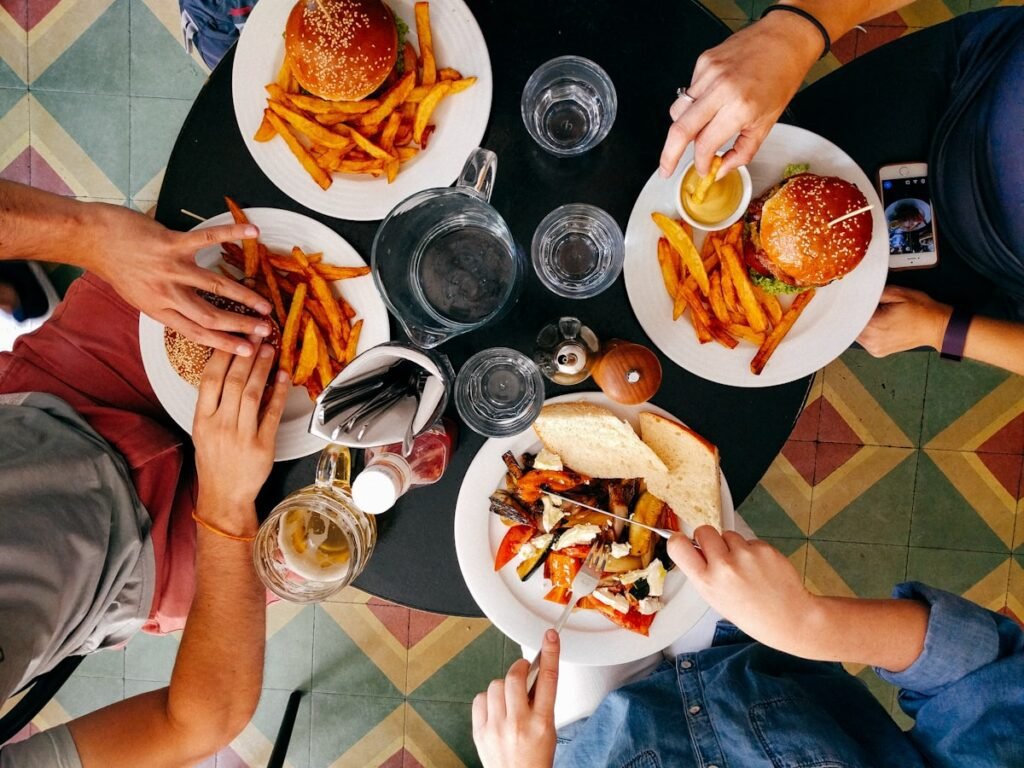
Cretan cooking classes offer an immersive way to master authentic local cuisine directly from experienced chefs in Chania and Heraklion. These hands-on experiences teach traditional recipes using seasonal ingredients, Mediterranean techniques, and generations of family knowledge—all while building genuine connections with Cretan culture and hospitality.
Why Cretan Cooking Classes Beat Restaurant Meals
A cooking class in Crete transforms you from a passive diner into an active participant in food traditions that span centuries. Unlike sitting at a taverna table, you learn the why behind each technique—why olive oil is pressed at dawn, why sheep’s milk feta tastes sharper in spring, why herbs are picked before the summer heat intensifies their oils.
The difference is profound. Most visitors taste Cretan food; cooking class participants understand it. You’ll prepare dishes using methods passed down through families, often in homes or small studios where the chef’s grandmother still grows oregano out back. The knowledge you gain becomes portable—you’ll recreate these meals at home, always remembering the afternoon you learned from Maria in Chania or Nikos in Heraklion.
Beyond technique, you’re investing in cultural literacy. Crete’s cuisine tells the story of invasions, trade routes, island isolation, and agricultural abundance. Each dish carries historical weight. A proper dakos (barley rusks with tomatoes and cheese) isn’t just lunch—it’s what fishermen have eaten for 500 years. Understanding that context deepens every meal you’ll ever eat in Greece.
What to Expect: The Typical Cretan Cooking Class Experience
Most Cretan cooking classes follow a similar rhythm, though each maintains its own character. A typical session runs 3 to 4 hours and begins with a market visit or ingredient tour. You’ll walk through a local agora (market) in Chania’s Old Harbor or Heraklion’s central market, where your instructor introduces you to producers, explains seasonal availability, and teaches you how to select ripe tomatoes, fresh cheese, and proper olive oil.
Back in the kitchen—usually a traditional home setup with proper cooking equipment—you’ll prepare 3 to 5 dishes depending on the class focus. A typical menu might include saganaki (fried cheese), horta (boiled greens with lemon), pastitsada (rooster in wine sauce), and a traditional dessert like loukoumades (honey puffs) or galaktoboureko (custard pie). You’re not watching a demonstration; you’re chopping, mixing, tasting, and adjusting seasoning under live guidance.
Classes culminate in a communal meal where you taste everything you’ve prepared, often paired with local wine or raki. This isn’t rushed. You’ll sit for 45 minutes to an hour, eating slowly, discussing ingredients, and absorbing the philosophy of Cretan hospitality. Many classes end with recipe cards or a small cookbook to take home.

Top Cretan Cooking Class Locations: Chania vs. Heraklion
Chania hosts the majority of dedicated cooking schools, partly because the Old Town’s tourism infrastructure supports such experiences. The Venetian harbor location makes cooking classes convenient for visitors based in western Crete. Popular options include small family-run schools operating from traditional Cretan homes, where instructors often come from multi-generational cooking families. Classes here typically cost €65 to €95 per person for half-day sessions.
Heraklion offers fewer formal cooking classes but compensates with more intimate, private arrangements. The city’s central market (Agora) is arguably Crete’s finest, with better produce selection than Chania’s. If you arrange a private cooking class in Heraklion, expect more customization—a chef can tailor the menu to your dietary preferences or interests more readily than larger group classes. Prices for private sessions run €80 to €120 per person, with discounts for groups of 4 or more.
The honest choice depends on your travel rhythm. If you’re already based in Chania, book locally. If Heraklion is your hub, arrange a private session with a chef rather than seeking out group classes. Many luxury tour companies, including 105 Olives Greece private tours, can arrange exclusive cooking experiences at your accommodation or partner with vetted local chefs who deliver personalized instruction.
| Location | Best For | Typical Price (€) | Class Duration | Group Size |
|---|---|---|---|---|
| Chania Old Town | Convenient, established schools, group classes | 65-95 | 3-4 hours | 6-12 people |
| Chania Suburbs | Smaller groups, traditional homes, market visits included | 75-110 | 4-5 hours | 4-8 people |
| Heraklion (Private) | Custom menus, dietary adjustments, privacy | 80-120 | 3-4 hours | 2-6 people |
| Farm-based (Any Region) | Farm-to-table focus, organic methods, full meals | 90-140 | 5-6 hours | 4-10 people |
The Essential Cretan Dishes You’ll Learn
Most Cretan cooking classes emphasize a core set of dishes that define the island’s identity. Understanding these dishes before you book helps you choose a class matching your interests.
Dakos appears on nearly every menu. These barley or wheat rusks—hard, slightly bitter, made by bakers across Crete—get soaked briefly in water and topped with tomatoes, feta, olives, oregano, and olive oil. Learning to make dakos properly means understanding the texture contrast that makes it work: the rusk’s hardness against soft cheese and juicy tomato. It’s simple, but simplicity requires precision.
Horta (boiled greens) teaches you about Crete’s legendary vegetable preservation tradition. You’ll learn which seasonal greens to use—wild dandelion, beetroot leaves, spinach—and how to boil them perfectly without losing nutrients. The finishing touch is squeezed lemon and excellent olive oil. No chef will give you exact measurements; you’ll taste and adjust. That’s the real lesson.
Saganaki (fried cheese) demonstrates technique. A block of hard cheese gets sliced, breaded, and fried until the exterior crisps while the inside stays creamy. The timing is critical—too long and it hardens; too short and the coating separates. Cretan chefs have muscle memory for this; learning it hands-on prevents the guesswork.
Pastitsada or stifado (slow-cooked meat stews) show you braising methods that coax flavor from tougher cuts through patience, wine, and aromatics. These aren’t quick dishes; they’re about understanding heat control, layering flavors, and why Crete’s cooking tradition valued slow-cooked meals.
Seasonal Ingredients and What to Expect Year-Round
Cretan cooking is intensely seasonal. Spring brings wild greens, fresh cheeses, and tender lamb. Summer means tomatoes, peppers, zucchini, and eggplant at peak flavor. Fall offers grapes, figs, pomegranates, and game. Winter centers on citrus, dried pulses, and preserved ingredients. A cooking class in June will feel completely different from one in December.
If you’re booking a Cretan cooking class, align it with seasonal interests. Want to master cheese-based dishes and work with feta at its freshest? Come in April or May. Interested in vegetable preservation and slow-cooked winter stews? October through February is ideal. Summer classes emphasize fresh vegetable preparations and lighter Mediterranean approaches.
Chefs adapt menus seasonally, so ask about the planned menu before booking. A reputable cooking class will feature whatever’s in season, never frozen or imported alternatives. That’s authenticity—and it’s non-negotiable in Crete.
Beyond the Kitchen: How Cooking Classes Deepen Your Crete Experience
A cooking class is a gateway to deeper cultural understanding. You’re learning language (food vocabulary sticks faster than grammar), hospitality philosophy (Crete’s xenial tradition), and family values (food is how Cretans express love). The chef becomes a cultural interpreter, not just an instructor.
Many chefs are eager to discuss Cretan history through food. Why does Crete’s cuisine differ so much from mainland Greece? Because of centuries of Venetian and Ottoman occupation, which left distinct culinary imprints. Why is wine such a big part of meals? Because Crete has produced wine for 4,000 years. These conversations happen naturally over a shared meal, adding layers of meaning to every plate.
Some cooking classes incorporate visits to family olive groves, cheese makers, or wine producers. These extended experiences cost more (€120–€180) but offer context that static classroom learning can’t match. You’re seeing where ingredients come from, meeting producers, and understanding the agricultural rhythm that shapes Cretan life.
| Preparation Step | Timeline | Details |
|---|---|---|
| Book class | 2-4 weeks before | Secure spot, confirm dietary needs, ask about menu |
| Confirm location | 1 week before | Get exact address, parking info, public transport options |
| Prepare yourself | 2-3 days before | Wear comfortable clothes, flat shoes; eat a light breakfast on class day |
| Arrive early | 15 minutes before start | Allow time to meet instructor, settle in, review the plan |
| Bring items | Day of class | Camera (for recipe documentation), notebook, reusable container for leftovers |
How to Choose the Right Cooking Class for You
Not all Cretan cooking classes are created equal. Some are tourist productions with scripted lessons and hurried pacing. Others are genuine family experiences where the rhythm is slow and the knowledge is real. Here’s how to separate them.
Read reviews specifically about the instructor’s teaching style and whether they adapt to participants’ skill levels. Look for classes that include market visits—if the class starts in a kitchen with pre-selected ingredients, you’re missing a crucial part of Cretan food culture. Check whether the final meal is communal and unhurried; if you’re eating in 15 minutes, the class prioritizes throughput over experience.
Ask about group size. Classes with more than 10 people rarely deliver personalized attention. The best experiences cap at 6 to 8 participants. Group size matters especially if you’re a novice cook—you need enough instructor presence to build confidence.
Consider whether you want a specialist focus (pasta-making, pastry, vegetable cookery) or a broad introduction. Specialist classes go deeper; introductory classes provide wider coverage. Neither is better—it depends on your interests and prior cooking experience.
Finally, assess whether the class fits your travel schedule. Some mornings feel rushed if you’re jetlagged; afternoon classes might suit better. Some people love group dynamics; others prefer private arrangements. Luxury travel companies can often arrange fully customized cooking experiences—private instruction at your accommodation, personalized menus, and flexible timing that accommodates your relaxation priorities.
Practical Tips for Getting the Most From Your Class
Wear comfortable, practical clothing. You’ll be standing, chopping, and moving between stations. Closed-toe shoes are safer around hot oil and burners. Bring a small notebook or use your phone to photograph recipe cards, ingredient lists, and the chef’s tips. Many chefs work quickly and say important things once; notes ensure you don’t forget.
Eat a light breakfast. You’ll be tasting throughout the class and eating a full meal at the end. Arriving hungry is a mistake; arriving reasonably hungry allows you to actually taste and appreciate everything. Hydrate well—standing in a kitchen for 4 hours is more tiring than you expect.
Ask questions relentlessly. Chefs love cooking with engaged participants. Want to know why she uses that particular tomato variety? Ask. Curious about her grandmother’s variation? Ask. The instructor’s stories are often as valuable as the techniques. Don’t hesitate to request explanations or demonstrations if something’s unclear.
If you have dietary restrictions, declare them upfront. Most chefs accommodate vegetarian, vegan, gluten-free, or allergy-based needs without hesitation. They want you eating comfortably. However, tell them before the class, not during it.
Frequently Asked Questions
Do I need cooking experience to take a Cretan cooking class?
Not at all. Most classes welcome complete beginners. Instructors teach foundational techniques—how to properly hold a knife, judge heat on a burner, recognize when sauce has reached the right consistency. Even experienced home cooks find value in learning Cretan-specific methods and ingredient selection.
What’s the best time of year to take a cooking class in Crete?
April through June offers vibrant spring ingredients and pleasant weather without summer heat. September through October provides autumn produce and lighter tourist crowds. Winter (December to February) is quieter and focuses on preserved and hearty dishes. Avoid August when heat is intense and many instructors take vacation. Choose based on seasonal ingredients matching your interests.
Are cooking classes in Chania or Heraklion better for group travel?
Chania has more established group classes, making booking easier for larger parties. Heraklion is better for groups preferring privacy—you can arrange a private session where the chef teaches your group exclusively. Groups of 8 or more often get discounts on private instruction in either location.
Will I take away recipes or cookbooks from the class?
Most classes provide recipe cards for dishes you’ve prepared. Some include laminated guides or small printed cookbooks. Quality varies—ask before booking what materials you’ll receive. Beyond printed materials, the recipes you’ve practiced are now in your muscle memory; that’s the most valuable takeaway.
Can I arrange a private cooking class for just my family or small group?
Yes. Many chefs offer private instruction, either in their own kitchen, at your accommodation, or even at a rented villa. Private classes cost slightly more per person but allow complete customization of menu, timing, and pace. This option is ideal for groups with specific interests or dietary needs.
Planning a private trip to Crete? 105 Olives Greece designs tailor-made luxury experiences for every travel style.
Chat on WhatsApp — Plan Your Trip
Explore more Crete travel guides →
