
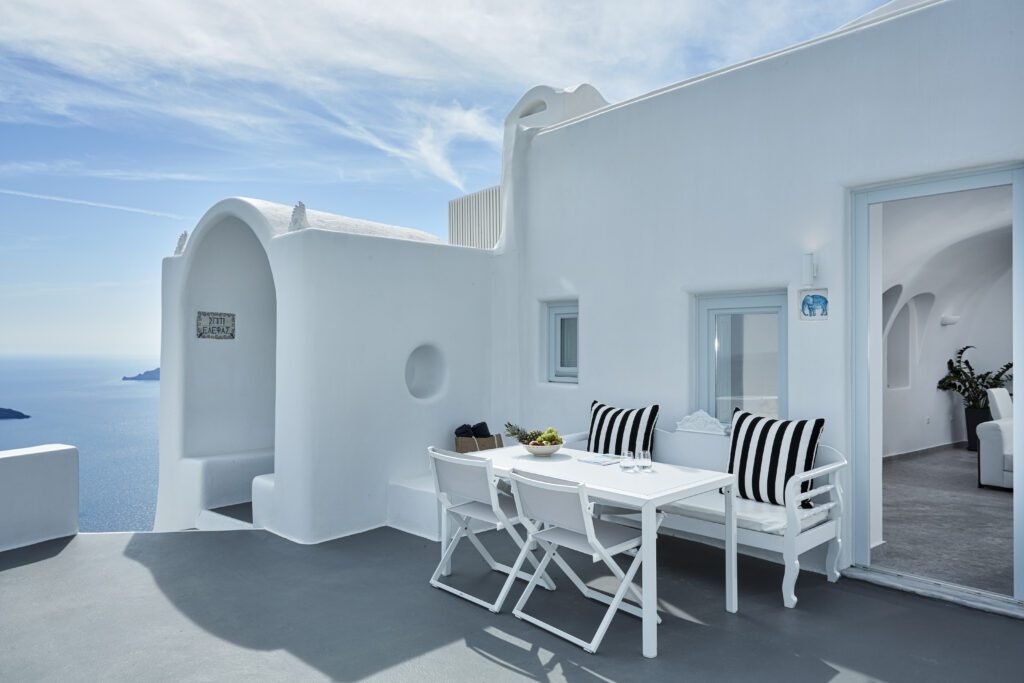
Chania is the city most visitors to western Crete end up in, and it rewards the visit. The Venetian harbour — a working crescent of 16th-century quays, mosques-turned-museums, lighthouses, and restaurants — is genuinely one of the most beautiful urban waterfronts in the Mediterranean. The old city behind it is a tangle of Venetian, Ottoman, and Byzantine architecture that managed to survive both the 1941 German bombardment and the subsequent tourist development that buried most of coastal Crete in concrete. Chania has remained Chania.
Chania City Quick Facts 2026
| Detail | Information |
|---|---|
| Population | ~75,000 (Chania municipality); second largest city in Crete |
| Distance from Heraklion | 148 km west, 1h 45min by car on E75 |
| Airport | Chania International Airport (CHQ), 14 km east of city; served by 30+ European routes |
| From Chania Airport to city | Bus: €1.50 (20 min to bus station). Taxi: ~€20. Private transfer: from €25 |
| Best months to visit | May, June, September, October |
| Ferry from Athens | Piraeus → Souda port (Chania): overnight ferry, 9 hours |
What to See in Chania Old Town
The Venetian Harbour: The single most compelling reason to visit Chania. A crescent-shaped harbour enclosed by 16th-century Venetian fortifications, with the Egyptian Lighthouse on the breakwater (built by Egypt during its occupation of Crete 1830–1840), the domed Mosque of the Janissaries at the harbour entrance, and the restored Venetian arsenals (ship repair buildings) along the inner quay. Walk the breakwater to the lighthouse at sunset. The distance is about 600 metres; the view back to the harbour and the White Mountains above the city is the photograph you will take.
The Covered Market (Agora): Built in 1913 in the shape of a Greek cross, modelled loosely on the covered market of Marseille. Inside: cheese vendors, olive oil producers, honey sellers, knife makers, fresh produce, and the city's best selection of Cretan products. Open Monday–Saturday 06:00–14:00 (some stalls open in afternoons). Not a tourist market — a working municipal market where Chania residents shop. The knife and leather shops on the street behind the Agora (Skridlof Street) are worth exploring.
Archaeological Museum of Chania: Housed in the Venetian church of San Francesco (the finest Venetian church surviving in Crete). The conversion from church to Ottoman mosque and then to museum has left multiple architectural layers visible. The collection covers Minoan, Mycenaean, Archaic, and Hellenistic material from western Crete. Open Tue–Sun 08:30–15:30; €4.
The Maritime Museum of Crete: At the Firka fortress at the harbour entrance. Greek naval history through scale models, maps, and exhibits on the Battle of Crete (1941). The museum terrace has one of the best views of the harbour. Open daily 09:00–16:00 in summer; €3.
The Etz Hayyim Synagogue: One of the oldest synagogues in Greece, dating to the 15th century (though significantly rebuilt). Destroyed during World War II and restored in the 1990s. A quiet, significant place in the heart of the old Jewish quarter (Ovraiki). Open Mon–Fri 10:00–16:00; free entry.
Kastelli Hill: The original Minoan and later Venetian settlement behind the harbour. Excavations are ongoing; fragments of Minoan and Venetian walls are visible at street level. The neighbourhood has the highest concentration of traditional Cretan houses in the city and sees a fraction of the harbour tourist traffic.
Where to Eat in Chania
The harbour restaurants are expensive and survive on location rather than food. For better value and quality, walk two streets inland. The area around Zymvrakakidon Street and the Splantzia neighbourhood has the best independent restaurants. The covered market area is good for a standing lunch: cheese, olives, dakos, and market wine. For fish, Koum Kapi (the neighbourhood east of the harbour) has a cluster of fish tavernas where the fish was delivered that morning. The local speciality is boureki — a Chania zucchini, cheese, and potato pie — found in bakeries and some tavernas.
Day Trips from Chania
Samaria Gorge (44 km south): The most famous day trip from Chania. Start point at Xyloskalo on the Omalos plateau, 16 km walk ending at the Libyan Sea. See the full Samaria Gorge guide.
Elafonisi Beach (75 km southwest): The pink-sand lagoon beach. 1h 45min drive. KTEL bus from Chania in summer. See the full Elafonisi guide.
Balos Lagoon (55 km northwest): Reached by car + 45-min walk from Gramvousa peninsula, or by seasonal boat from Kissamos port. See the full Balos guide.
Seitan Limania (15 km east on Akrotiri peninsula): The extreme turquoise inlet accessible via a steep path. 20 minutes from Chania; a good afternoon option after a morning in the city.
Aptera Archaeological Site (20 km east): A substantial Minoan and Roman site with a well-preserved theatre, cisterns, and mosaic floors. Open Tue–Sun 08:00–15:30; €3. Usually nearly empty.
Chania for 1 Day: Suggested Itinerary
Morning: Agora covered market (open early, avoid queues); Venetian harbour walk; Mosque of the Janissaries exterior; Arsenal quarter. Afternoon: Archaeological Museum; Kastelli hill walking; Splantzia neighbourhood lunch. Late afternoon: Walk the breakwater to the Egyptian Lighthouse; harbour sunset. Evening: Dinner in Koum Kapi fish neighbourhood or Splantzia area.
Frequently Asked Questions
Is Chania or Heraklion better for a first-time visitor?
Chania for atmosphere, harbour, and access to western Crete beaches. Heraklion for the Knossos palace, the Archaeological Museum, and better connections across the whole island. If you have 7+ days, base yourself in Chania for western Crete and use Heraklion for day trips to Knossos and the east. If you have 3–4 days, Chania gives you more concentrated beauty in a smaller area.
Is Chania Old Town safe at night?
Yes — Chania is very safe. The harbour area is busy until midnight in summer; the old town residential neighbourhoods are quiet but not unsafe. The main practical concern is navigating the unmarked streets of the old city, which disorients first-time visitors. Download an offline map before arrival.
How many days should I spend in Chania?
Minimum 2 full days: one for the city itself, one for a day trip (Elafonisi, Samaria, or Balos). Three to four days allows comfortable exploration of the city, one major beach day trip, and at least one additional excursion (Imbros Gorge, Aptera, Kissamos area). A week based in Chania accesses some of the best landscape in Europe within 90 minutes.
Book a private Chania tour | Airport transfer to/from CHQ Chania | All Crete experiences
