
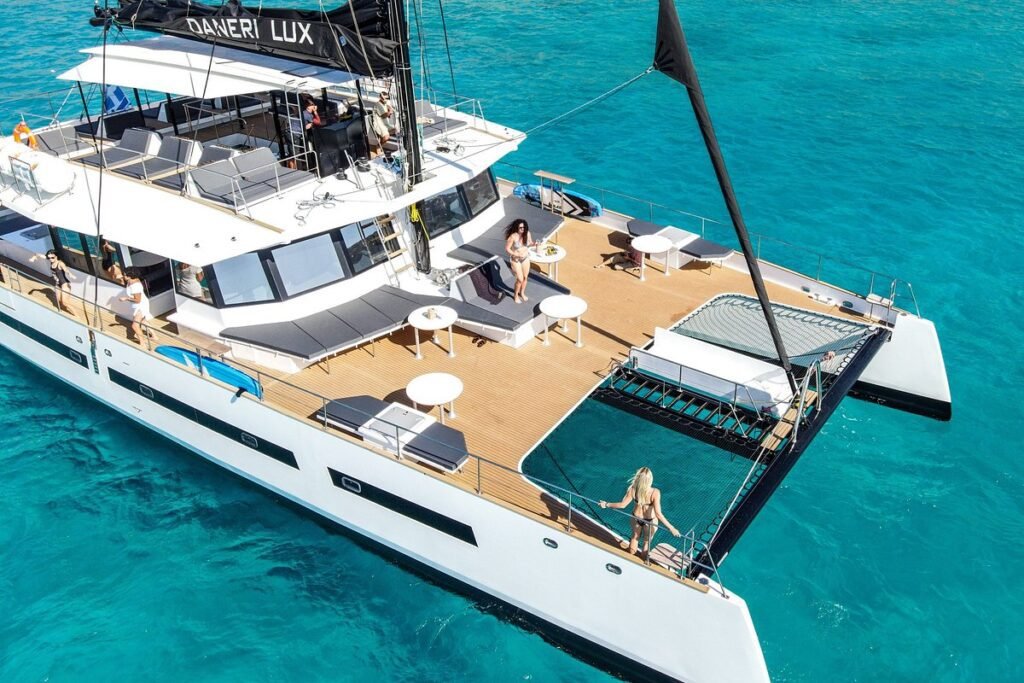
Crete sailing holidays offer the perfect blend of freedom, luxury, and Mediterranean discovery. Private catamaran and yacht tours let you explore hidden beaches, turquoise coves, and charming coastal villages at your own pace, with professional crews handling every detail while you simply enjoy.
Why Crete Remains Europe’s Premier Sailing Destination
Crete is the third-largest island in the Mediterranean, stretching 260 kilometers from west to east, and its geography makes it ideal for sailing. The island sits in the Cretan Sea, surrounded by smaller islands—Spinalonga, Dia, Chrysi, and the Paximadia group—each with its own character and appeal. Steady summer winds from May through September provide perfect sailing conditions, while the protected bays along the north coast offer shelter for cruising families and groups.
What sets Crete apart is the combination of natural beauty and authentic culture. You’ll sail past dramatic limestone cliffs, anchor in crystalline bays where sea turtles still nest, and dock at traditional fishing villages where tavernas serve fresh catch caught that morning. The water temperature reaches 26–28°C from July to September, warm enough for swimming and snorkeling without hesitation. Unlike crowded charter bases in Croatia or Turkey, Crete attracts fewer large tour groups, meaning you experience genuine solitude and encounter locals rather than other tourists.
Private Catamaran Tours: Comfort Meets Exploration
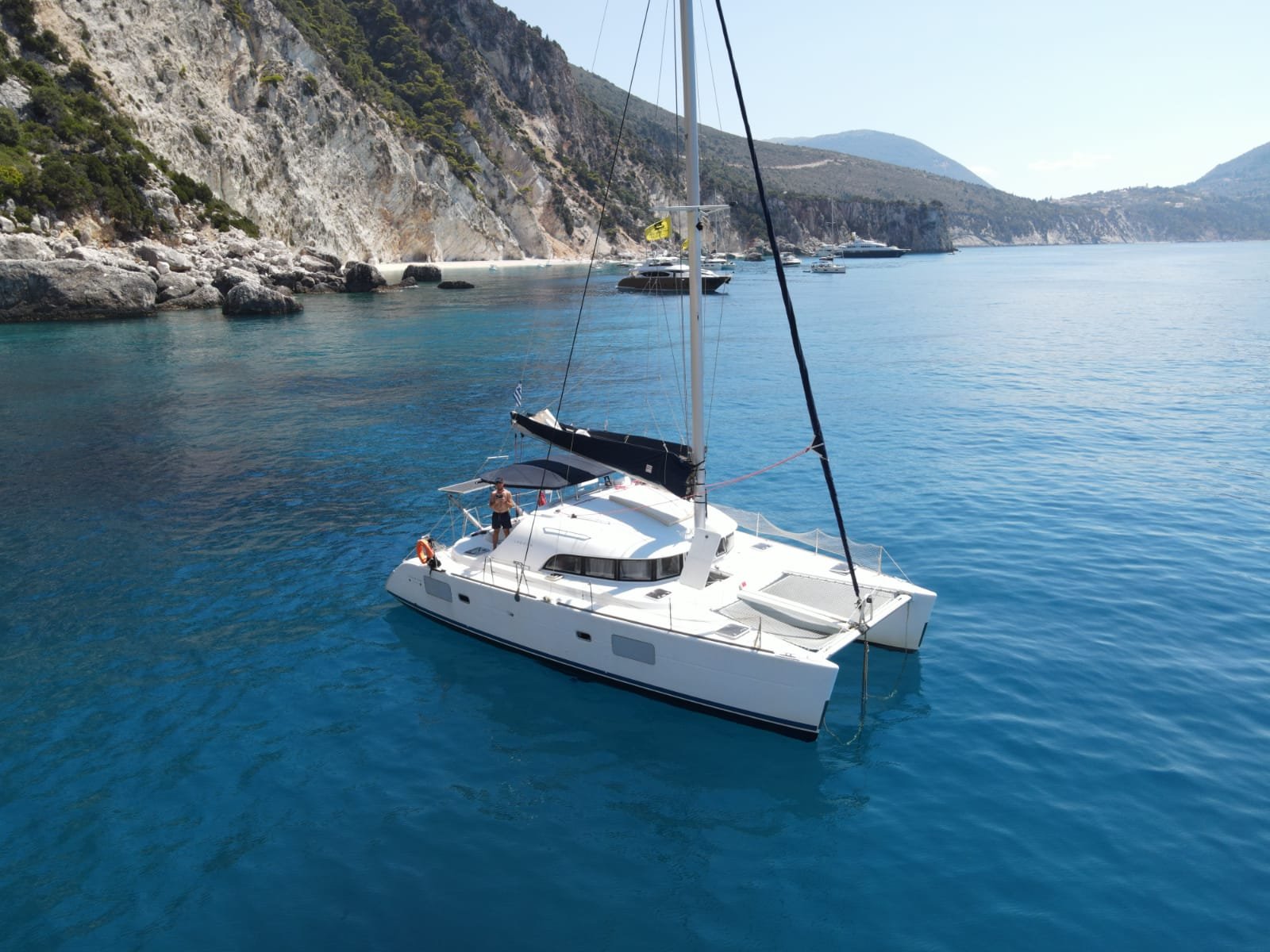
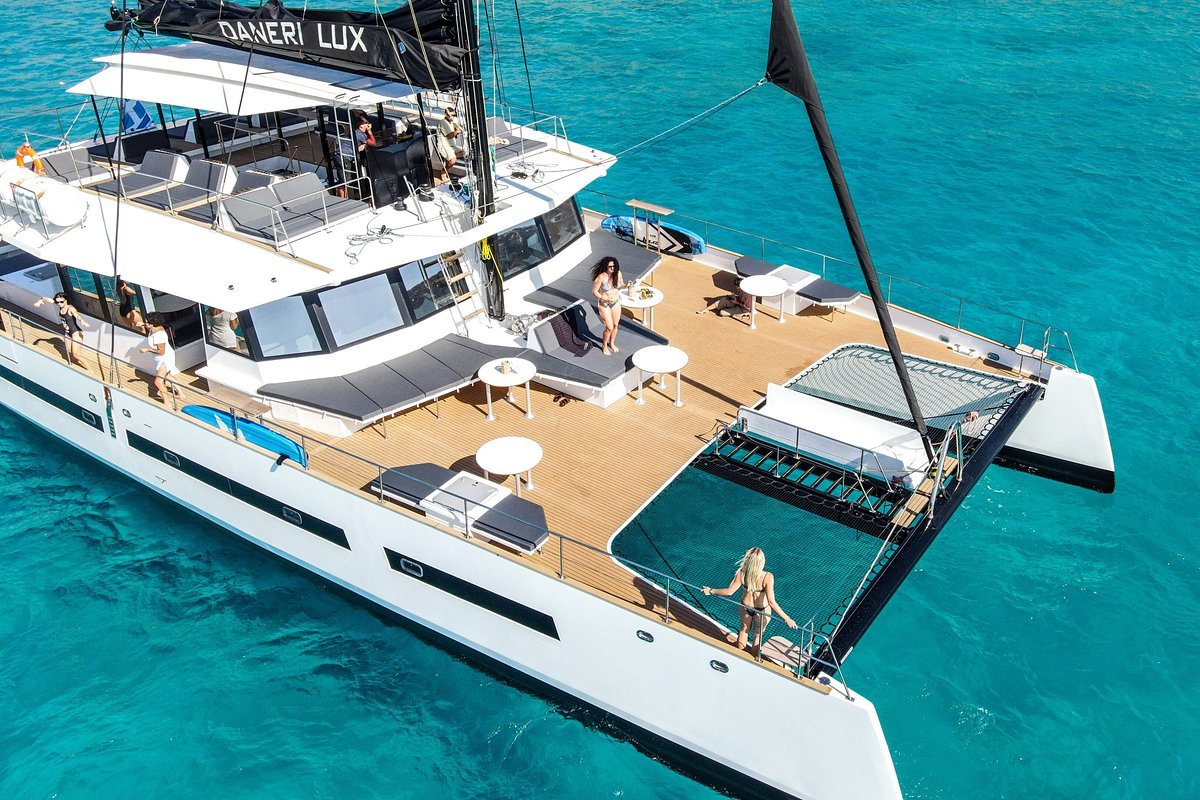
A private catamaran is the sweet spot for Crete sailing holidays—stable, spacious, and designed for comfort during multi-day voyages. Unlike monohull yachts, catamarans have twin hulls that distribute weight evenly, meaning less rolling, easier movement below deck, and better stability at anchor. Most privately chartered catamarans in Crete range from 35 to 48 feet, sleeping 6–10 guests with full galleys, air conditioning, and modern navigational systems.
A typical week-long catamaran tour costs between €6,000 and €15,000 depending on vessel size, crew inclusions, and season. High season (July–August) commands premium pricing, while May, June, and September offer better value with equally pleasant weather. The price includes the vessel, skipper, and often a crew member who handles deck work and provisioning. You pay separately for fuel, mooring fees (€30–60 per night), and provisions, though many operators offer all-inclusive options starting at €12,000 per week for a group of eight.
Your daily routine becomes beautifully simple: wake to the sound of water lapping against the hull, motor or sail to a new anchorage by early afternoon, swim and snorkel for hours, and enjoy fresh seafood at sunset while anchored in a private bay. The skipper handles navigation and logistics; you handle relaxation.
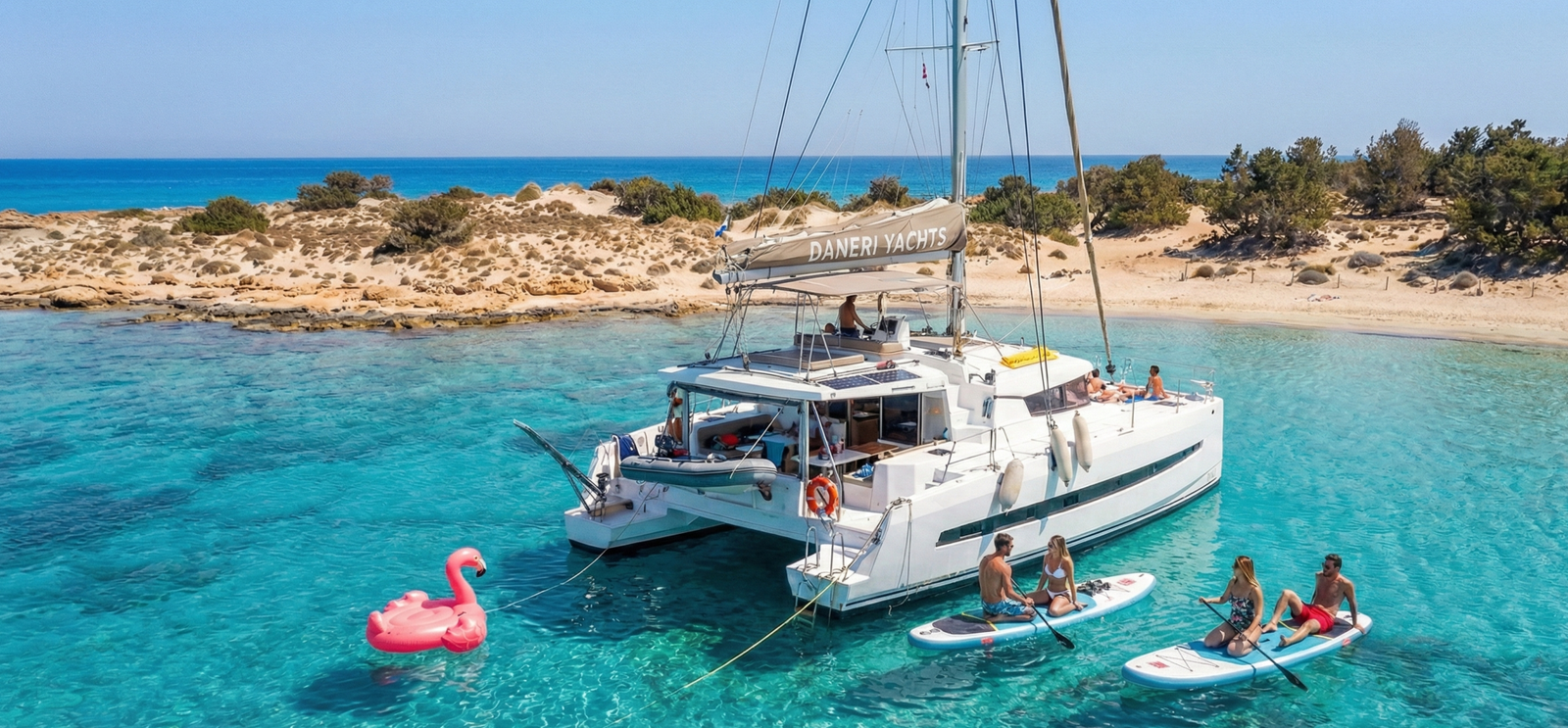
A private catamaran anchored in a secluded Cretan bay, offering the perfect base for swimming, snorkeling, and island exploration.
Essential Sailing Routes: North Coast, South Coast & Island Hops
Most Crete sailing holidays follow one of three proven itineraries, each with distinct character and difficulty levels. The choice depends on your experience, available time, and what you want from the voyage.
The North Coast Circuit: Depart from Rethymno or Heraklion and sail east toward Spinalonga Island, home to a 16th-century Venetian fortress and excellent snorkeling. Continue to Mirabello Bay, dropping anchor near the charming fishing village of Agios Nikolaos (population 10,000), where narrow streets lead to waterfront tavernas serving sea urchin and local Cretan wine. From there, head south to Dia Island, a nature reserve with wild goats and pristine beaches, or explore smaller islets like Paximadia. This route typically covers 40–60 nautical miles over 5–7 days and suits mixed-ability sailors; winds are moderate and overnight passages are short.
The South Coast Adventure: Fewer tourists venture south, which is precisely why experienced sailors love it. Depart from Chania and sail south to Paleochora, a bohemian beach town at the island’s southwestern tip, then continue east along the Libyan Sea coast past dramatic sea caves and rarely-visited beaches like Glyka Nera and Sougia. Winds can be stronger here; waves are higher in winter. Plan this route for May through June or September, when conditions are ideal but crowds have thinned. The south coast demands better seamanship but rewards you with genuine remoteness and encounters with shepherds and farmers rather than tour operators.
The Island-Hopping Loop: Combine Crete with nearby islands—Gavdos (southernmost point in Europe), Chrysi (famous for golden sand and cedar forests), and the Paximadia twin islands. This extended voyage (10–14 days) demands coastal passages of 30–50 nautical miles but opens access to untouched anchorages and underwater reefs that rival the Caribbean. You’ll snorkel in water so transparent you see the seabed 20 meters down.
| Route | Distance (Nautical Miles) | Duration | Difficulty | Best Season |
|---|---|---|---|---|
| North Coast (Rethymno to Agios Nikolaos) | 45–60 | 5–7 days | Beginner–Intermediate | May–Oct |
| South Coast (Chania to Paleochora) | 35–50 | 5–7 days | Intermediate–Advanced | May–Jun, Sep |
| Island Hopping (Crete + Gavdos + Chrysi) | 80–120 | 10–14 days | Advanced | May–Jun, Sep–Oct |
| Eastern Loop (Agios Nikolaos to Sitia) | 30–40 | 3–5 days | Beginner | May–Oct |
Top Anchorages and Must-Visit Spots
After guiding hundreds of clients through Cretan waters, certain anchorages consistently deliver magic. Balos Lagoon, on the northwest coast near Chania, is a shallow turquoise lagoon enclosed by white-sand beaches and rocky islets—a moonscape crossed into reality. The water is 2–3 meters deep, perfect for swimming and transparent enough to see shells on the bottom. Anchor early to claim a spot before day-trip ferries arrive; the best time is early morning or late afternoon.
Spinalonga Island hosts the remains of a Venetian fortress overlooking Mirabello Bay. Explore the fortress at sunset when tour groups depart, then anchor nearby for evening swimming. The surrounding reefs hold octopus, grouper, and colorful wrasse—excellent for snorkeling with a mask and fins. The village of Elounda, just across the water, offers supply runs and excellent seafood restaurants within a short tender ride.
Chrysi Island, 15 nautical miles southeast of Ierapetra, is utterly unspoiled. Golden sand derives from crushed seashells and fossilized coral. Cedar forests (remnants of an ancient ecosystem) cover the interior. There are no facilities, no vendors, no crowds—only raw Mediterranean beauty. Swimming here feels like discovering a secret that tourists haven’t yet found. Bring all water and supplies; day-trippers don’t arrive until 11 AM, so anchor before dawn for exclusive hours.
Gavdos Island, Europe’s southernmost point, demands respect. The passage requires a calm sea and confident skipper, but the reward is one of Greece’s most remote inhabited islands. Only about 60 residents live there year-round. Anchor in Sarakiniko Bay and hike to the lighthouse at the island’s southern edge, where on clear days you see Libya’s coast 40 kilometers south. The isolation is profound and restorative in a way crowded Mediterranean destinations never achieve.
Snorkeling, Swimming & Marine Life
Crete’s waters host extraordinary marine biodiversity. Mediterranean monk seals—Europe’s rarest marine mammal—still inhabit remote caves along the south coast, though sightings require luck. Loggerhead sea turtles nest on Rethymno and Chania beaches; you’ll occasionally see them in deeper waters. Octopus, grouper, and bream fill the rocky reefs. Sponges and sea fans create underwater gardens in depths of 5–15 meters.
The waters around Spinalonga, Dia, and Chrysi islands offer the clearest snorkeling. Visibility regularly exceeds 30 meters in June and September. Avoid July and August when water clarity drops slightly due to algae blooms, though it remains excellent. Water temperature peaks at 27°C in August and September, making prolonged snorkeling comfortable. A wetsuit isn’t essential from June onward, but many swimmers bring a 3mm suit for extended time underwater and sun protection.
Partner with your skipper to visit known marine reserves and protected reefs. Many Cretan sailing operators include snorkeling as part of the experience and know the best sites based on current conditions. Bring your own mask and fins if you’re particular; rental equipment is available but variable quality. An underwater camera captures memories; the colors are vivid enough that even phone footage impresses friends back home.
Onshore Experiences: Villages, Food & Culture
A Crete sailing holiday isn’t purely about the sea. The island’s culture is inseparable from its sailing routes, and strategic anchorages place you within walking distance of authentic villages.
Rethymno, your potential departure point, is a 16th-century Venetian harbor town with narrow cobbled streets, family-run tavernas, and a fortress overlooking the port. Dock your tender and spend an afternoon exploring the old town, buying local honey and mountain herbs at the market, and dining at Avli (one of Crete’s finest restaurants, where a three-course meal costs €45–60 per person with wine).
Agios Nikolaos, anchored in Mirabello Bay, is larger but retains charm. The harbor waterfront fills with locals each evening; fish tavernas line the quay. Try htipiti (whipped fish roe) or marinated sea urchin—the latter is a Cretan delicacy that costs €18–25 per portion but justifies every cent. The nearby fishing village of Elounda, on the opposite shore, attracts fewer tourists and offers equally fresh food at better prices.
For a deeper cultural anchor, explore our private tours of Crete, which combine sailing with village visits, cooking classes, and meetings with local artisans. Many 105 Olives clients add 2–3 days of land experiences before or after their sailing holiday, creating a fuller picture of Cretan life beyond the beaches.
Practical Logistics: Booking, Crew, and What to Pack
Most Crete sailing holidays depart from Chania, Rethymno, or Heraklion. Chania is the most charming base and offers best access to northern routes and Balos Lagoon. Heraklion is the largest airport (direct flights from most European capitals) but farther from the best sailing areas. Rethymno splits the difference geographically and avoids the chaos of Heraklion’s port.
Book privately chartered vessels 2–4 months in advance during peak season. Many operators offer “bareboat” charters (you provide the skipper) or fully crewed options. Bareboat costs €2,500–4,500 per week for a 38-foot catamaran. Fully crewed (skipper + crew member) adds €1,200–2,000. If you lack sailing experience, fully crewed is essential; your skipper navigates, handles emergencies, and knows every anchorage intimately.
Crew qualifications matter. Ask for skippers with 10+ years Mediterranean experience and current certifications. A good skipper knows which anchorages offer protection during wind changes, identifies edible wild plants ashore, and recommends tavernas known only to locals. They’re part navigator, part host, part safety net.
Pack light but smart. Bring one bag per person (space below deck is limited). Sun protection—reef-safe sunscreen, a wide-brimmed hat, UV rash guard—is non-negotiable. Polarized sunglasses reduce glare and help spot shallow reefs. Bring your own snorkeling gear if you’re particular about fit. Casual clothes suffice everywhere; Crete is delightfully unpretentious. One nicer outfit for waterfront dinners in Rethymno or Agios Nikolaos is enough. Leave fancy jewelry and expensive watches at home; the sea and salt water are unforgiving.
| Item | Why It Matters | Specific Recommendation |
|---|---|---|
| Reef-safe sunscreen (SPF 50+) | Sun reflects off water; UV intensity at sea is 50% higher than land | Bring 200+ ml; available locally but expensive |
| Polarized sunglasses | Reduces glare, improves underwater visibility while anchored | Maui Jim or Ray-Ban Polarized, €200+ |
| Rash guard or swim shirt | Protects shoulders and back during long snorkeling sessions | Quick-dry synthetic, not cotton |
| Dry bag | Protects phone, documents, and valuables during tender transfers | 30-liter waterproof bag, €30–50 |
| Light fleece or cardigan | Nights on deck can be cool; winds pick up after sunset | Merino wool or synthetic, packable |
| Reef shoes or water sandals | Many anchorages have rocky entries; protects feet from sharp shells | Keen or similar brand, €50–80 |
Best Times to Sail: Season-by-Season Guide
May & June: Water temperature 22–24°C, winds moderate and consistent, wildflowers still bloom on hillsides, and crowds are light. This is the expert’s choice—ideal conditions with fewer tourists. Air temperature 25–28°C. Ideal for intermediate sailors and all experience levels.
July & August: Peak season. Water 26–28°C (perfect for swimming), but temperatures soar to 32–35°C ashore. Winds drop in July (calmer sailing but slower progress); August picks up slightly. Popular destinations become crowded with day-trippers. Book accommodations and restaurants weeks ahead. Prices peak; expect 20–30% premium over May rates.
September & October: Water remains 23–26°C, winds pick up again (excellent sailing), and crowds vanish. September is genuinely underrated—warm water, reliable winds, and access to remote anchorages without competing boats. October begins cooling down; by late October, water dips to 20°C and some weather systems arrive. September 1–25 is arguably the best window for serious sailing.
November–April: Winds are unpredictable, water temperature drops to 15–18°C (wetsuits required), and some facilities close. Winter sailing is possible for experienced crews but carries higher risk. Not recommended for casual holidaymakers.
Chat on WhatsApp — Plan Your Trip
Frequently Asked Questions
Do I need sailing experience to book a private catamaran in Crete?
No. A fully crewed charter means a professional skipper handles all navigation and sail management. You can be a complete beginner and enjoy the full experience. The skipper teaches you as much or as little as you want about sailing. For bareboat charters, at least one person in your group needs a recognized sailing qualification.
What’s the typical daily cost for a private sailing holiday in Crete?
A fully crewed catamaran works out to €1,200–2,000 per person per day for a group of 8 (roughly €10,000–16,000 per week total). This includes the vessel, crew, fuel, and mooring. Food, drinks, and port fees are typically separate unless you arrange an all-inclusive package. Solo travelers or small groups (2–4 people) cost more per person; larger groups reduce per-person expense significantly.
Can we snorkel and swim every day, or is it mostly sailing?
Both. Mornings typically involve sailing to a new location (1–3 hours). Afternoons are dedicated to anchoring, swimming, and snorkeling—often 4–6 hours in the water. Evenings are for dinner and relaxation. You control the pace; if you want to stay two nights in an exceptional anchorage, your skipper adjusts the itinerary accordingly.
Is it safe for families with young children?
Yes, with caveats. Catamarans are more stable than monohulls and better suited for kids. Children should be comfortable in water and capable swimmers; life jackets are standard. Avoid December–March when weather is unpredictable. Talk to your skipper about the specific itinerary; calmer routes like the North Coast Circuit are ideal for young families. Many skippers have decades of experience managing family groups safely.
What happens if weather turns bad mid-voyage?
Professional skippers monitor forecasts daily and adjust itineraries proactively. Crete’s numerous protected harbors provide shelter; you’d motor to the nearest safe port rather than continue sailing. Bad weather rarely develops suddenly in May–September; your skipper has ample warning. Travel insurance that covers voyage cancellation is recommended for peace of mind.
Can we arrange special meals or dietary accommodations?
Yes. Communicate dietary needs and preferences when booking. A crew member typically handles provisioning; they’ll stock the galley with items matching your specifications. Vegetarian, vegan, and allergy-friendly provisions are standard. Special occasion meals (birthday dinners, anniversaries) can be arranged; some operators offer private chefs or coordinate shoreside restaurant experiences.
Planning a private trip to Crete? 105 Olives Greece designs tailor-made luxury experiences for every travel style.