
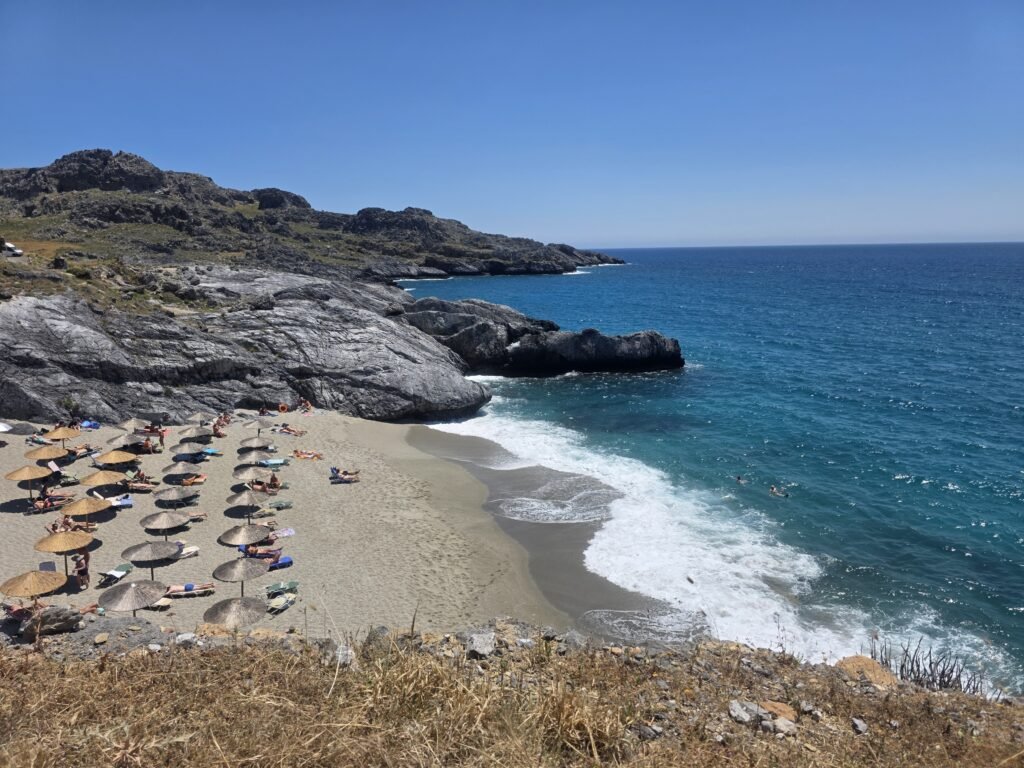
Balos Lagoon sits at the northwestern tip of Crete, where the island tapers to a narrow peninsula and the sea turns colours that don’t seem quite real: turquoise shading to emerald, pink-white sand shelving into water so shallow and clear that you can see the bottom from a passing boat. Every photograph of Crete that stops you mid-scroll is probably Balos. The question is not whether to go — it is how.
What Makes Balos Special
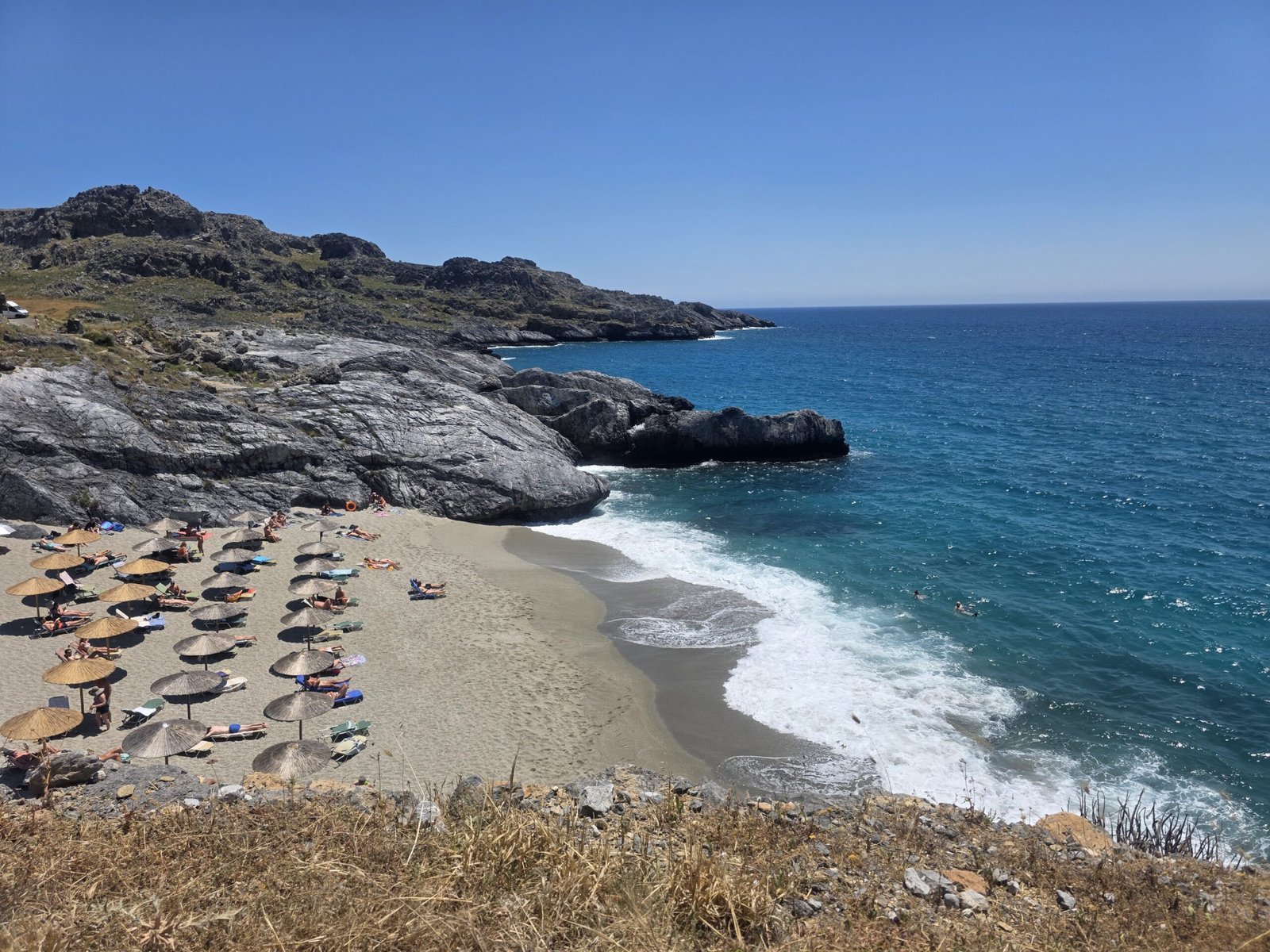
Balos is a double lagoon — formed where the peninsula of Cape Gramvousa nearly closes off a bay from the open sea, creating a natural enclosed area of warm, shallow water. The sand contains a high proportion of crushed coral and shells, giving it a characteristic pinkish-white colour. The water in the lagoon is rarely more than 1 metre deep across most of its area, warming quickly in the sun and reaching temperatures of 26–28°C in summer. The ruined Venetian castle on the islet of Gramvousa — just visible from the lagoon — adds a historical dimension to one of the most naturally spectacular settings in the Mediterranean.
The site is part of a protected Natura 2000 area. Sea turtles, loggerhead seabirds, and the rare Mediterranean monk seal all use the waters around Cape Gramvousa. The combination of accessibility and genuine natural significance is rare.
How to Get to Balos Lagoon
There are two ways: by sea, and by road. Each has different advantages, and the best experience combines both.
By Ferry from Kissamos
The public ferry from Kissamos harbour (25 km east of Balos) runs twice daily in summer, departing at 10am and 12:30pm, returning at 1pm and 6pm. The trip takes approximately 1 hour each way. The ferry is typically a large vessel carrying 200–400 passengers. Tickets cost around €28–32 return including the site entry fee. The experience is pleasant; the crowds are significant.
By Private Yacht from Chania
A private yacht charter from Chania Old Harbour reaches Balos in approximately 2–2.5 hours, depending on conditions. You arrive at your chosen time — typically well before the first ferry — and anchor directly in the lagoon for swimming. The yacht stays as long as you choose. This is categorically a different experience from the ferry.
By 4×4 from Kissamos
A dirt road (7 km, unpaved and rocky) descends from the village of Kaliviani to a car park above the lagoon, from which a 1.5 km steep path leads down to the beach. The road requires a high-clearance 4×4 or SUV. The path is exposed and hot in summer. If you drive, arrive before 9am for a parking space and before 10am to have the beach to yourself for even 30 minutes.
| Access Method | Cost | Time to Site | Crowd Level | Best For |
|---|---|---|---|---|
| Public ferry (Kissamos) | €28–32 pp | 1 hour | High | Budget, minimal planning |
| Private yacht (Chania) | €120–200 pp | 2–2.5 hours | None | Luxury, photography, seclusion |
| 4×4 drive + hike | €0 + entry fee | 30 min drive + 30 min walk | Medium-high | Flexibility, early arrivals |
What to Expect When You Arrive
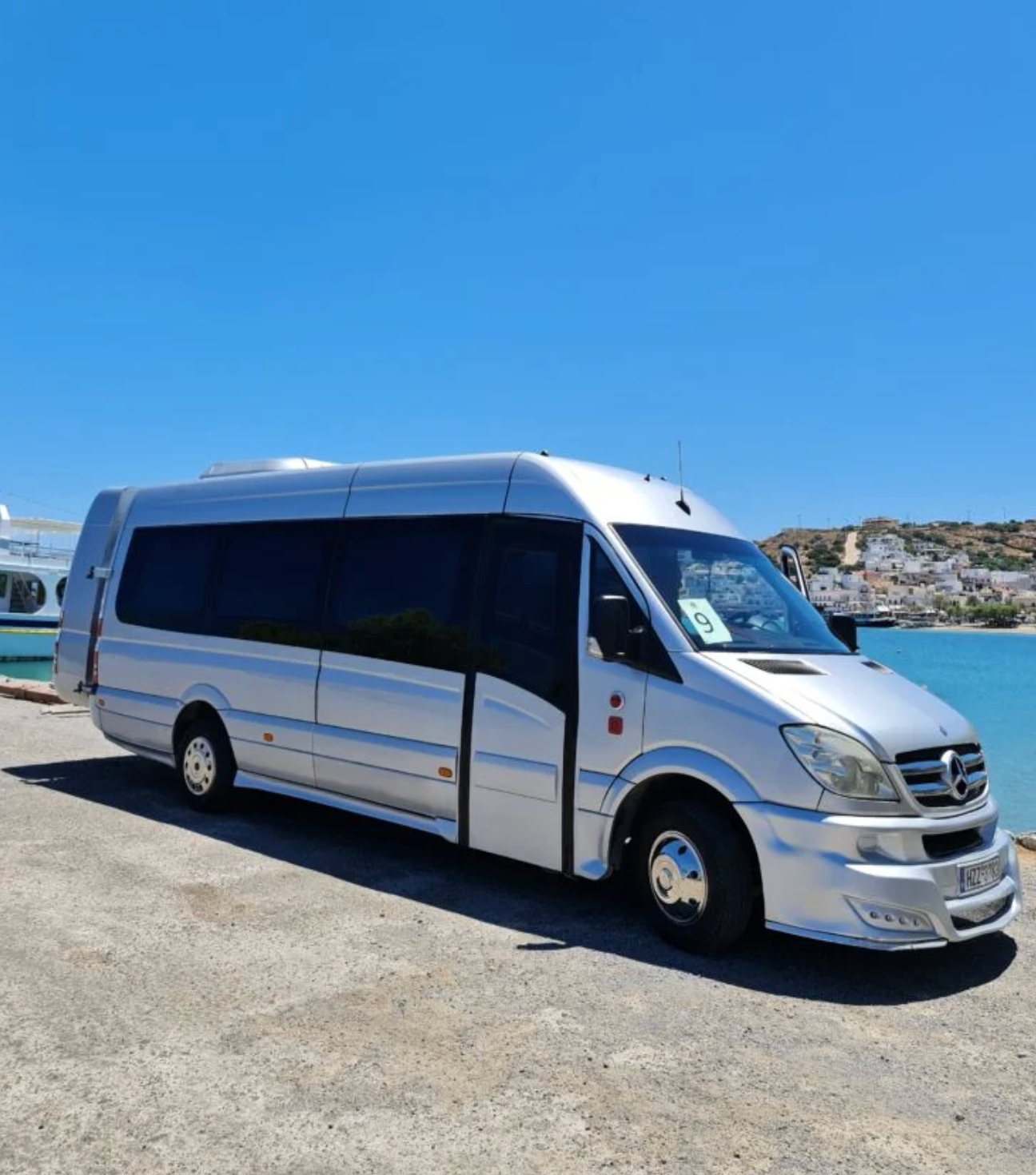
Balos in peak summer (July–August) receives 2,000–3,000 visitors per day. The lagoon is large enough that it never feels impossibly crowded, but the access path is narrow and the main swimming area gets busy between 11am and 4pm. There are basic facilities: a small beach bar, sun loungers for hire, and basic toilets. There is no shade on the beach itself — the peninsula is bare rock and scrub — so sunscreen, a hat, and plenty of water are essential.
The best light for photography is morning and late afternoon. The shallowness of the lagoon means the colour is most vivid in full sun. For video and photography, May–June and September–October combine good light with manageable crowds.
Combining Balos with Gramvousa Island
The ruined Venetian fortress on Gramvousa Island, accessible from the same ferry, is well worth the additional hour it adds to a day trip. The fortress was one of the last Venetian positions in Crete, held until 1715. After Venetian withdrawal, it became a stronghold for Greek pirates and later a base for Cretan insurgents during the independence struggle. The views from the summit — across Balos Lagoon, the open Aegean, and the mountains of western Crete — are extraordinary.
Practical Information
- Entry fee: €1.50 (accessed separately from any boat ticket)
- Facilities: Beach bar with drinks and snacks, sun lounger hire (€8–12 per pair), basic toilets
- Swimming: Safe for all ages; the lagoon is very shallow. No lifeguard in the outer bay.
- Best months: May, June, September, October — warm enough, less crowded
- What to bring: Water, sunscreen, hat, snorkeling gear (no fins needed — the lagoon is too shallow), underwater camera
Booking a Private Balos Experience with 105 Olives
105 Olives arranges private yacht charters to Balos departing from Chania at any time you choose. Early morning departures (7–8am) arrive before all public boats and have the lagoon almost entirely to themselves for the first hour. The return journey typically stops at a sea cave or secluded cove for swimming. Contact us to arrange your Balos day.
Frequently Asked Questions
Is Balos Lagoon worth it?
Yes, with the right approach. If you arrive on the midday ferry with 400 other tourists, it is beautiful but chaotic. If you arrive by private yacht at 9am, it is one of the most extraordinary natural settings in Europe. The experience entirely depends on how you get there and when.
Can you swim at Balos?
The lagoon is perfect for swimming — warm, very shallow, and protected from open-sea swell. The outer beach (facing the open Aegean) has stronger waves and deeper water; better for experienced swimmers. Both areas are safe in normal conditions.
Are there restaurants at Balos?
There is a small beach bar with snacks and drinks. There are no restaurants. Bring food if you’re staying for a full day, or plan to eat in Kissamos before or after.
n
