
Eating well in Crete requires some navigation. The harbourfront restaurants in Chania and Heraklion serve food that ranges from acceptable to very good, but the best Cretan meals happen further from the water and further from the tourist trail — in village tavernas where the menu is whatever was cooking when you arrived, in family-run mezedopoleions where the owner brings plates until you say stop, and in a small number of genuinely serious restaurants where Cretan ingredients are treated with the sophistication they deserve.
What Makes Cretan Food Different
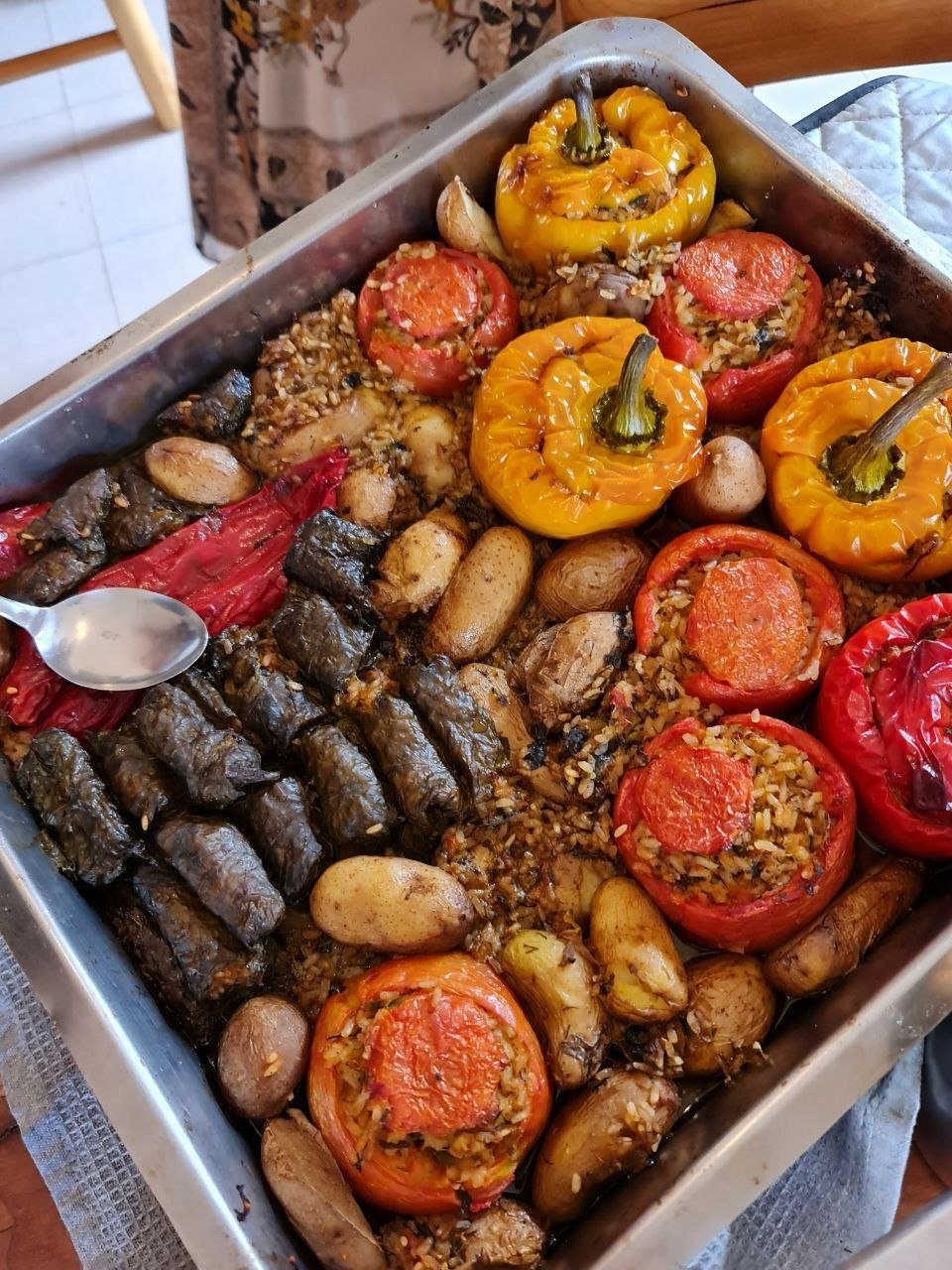
Cretan cuisine is the Mediterranean diet in its truest form — not the diet-book abstraction but the actual food that Cretan families have eaten for generations. The foundation is exceptional olive oil (used in quantities that would alarm most visitors), wild greens gathered from the hillsides, legumes cooked slowly with herbs, lamb and goat from small herds, and fish from the day’s catch. Cheese — mizithra, graviera, anthotiros — is produced across the island in small quantities that rarely leave the region. The flavours are clean, intense, and deeply seasonal.
Where to Eat in Chania
The Harbour Area
The Chania Venetian harbour is one of the most beautiful restaurant settings in Greece. The food quality in the harbour restaurants varies considerably — some are excellent, others tourist-priced and mediocre. The rule: walk away from the seafront by 2–3 streets and the quality improves significantly. Splanzia neighbourhood, a 10-minute walk east of the harbour, has several exceptional small restaurants operating in restored Venetian buildings with courtyard seating.
Best Restaurants in Chania
A short list based on consistent quality over multiple visits:
- Tamam: Housed in a converted Turkish bath (hammam) near the harbour. Serves a fusion of Cretan, Levantine, and Ottoman dishes that sounds unlikely but works beautifully. Vegetarians eat well here.
- Thalassino Ageri: On the sea outside the old town walls. Exceptional fish and seafood; the kritharoto (orzo pasta with seafood) is the signature dish. Book ahead in season.
- To Maridaki: A tiny ouzeri specialising in fresh fish mezedes. The kind of place where you tell them your budget and they bring food until it’s gone. Deeply local.
| Restaurant | City/Area | Speciality | Price Range | Booking |
|---|---|---|---|---|
| Tamam | Chania Old Town | Cretan-Levantine fusion | €€ | Recommended |
| Thalassino Ageri | Chania coast | Seafood, fish | €€€ | Required in season |
| To Maridaki | Chania harbour | Fish mezedes, ouzeri | €€ | Not taken |
| Peskesi | Heraklion | Heirloom Cretan ingredients | €€€ | Strongly recommended |
| Erganos | Heraklion | Traditional Cretan cooking | €€ | Recommended |
| O Kritikos | Various villages | Village taverna classics | € | Walk-in |
Where to Eat in Heraklion
Heraklion has a more sophisticated dining scene than its reputation suggests. The city’s market street (1866 Street) feeds into Lion Square — the traditional centre of Heraklion life — and the surrounding streets hold a concentration of good restaurants, kafeneions, and food shops.
Peskesi — The Best Restaurant in Heraklion
Peskesi is the most important Cretan restaurant of the past decade. The owners work exclusively with heirloom Cretan ingredients — heritage livestock breeds, wild herbs, forgotten vegetables, estate olive oil — and prepare them with classical technique. The menu changes with the seasons. A meal here is not cheap (€50–70 per person with wine), but it represents Cretan cuisine at its most thoughtful and most delicious.
Erganos — Traditional Done Right
Erganos is the opposite of Peskesi in approach: no culinary philosophy, no heritage manifesto, just very good traditional Cretan cooking at honest prices. Stifado (braised rabbit or beef with shallots), makaronia me kima (Cretan pasta with meat sauce), and the best horta (wild greens with olive oil and lemon) in Heraklion. The restaurant has been in the same family for decades and feels like it.
Village Tavernas: The Real Cretan Meal
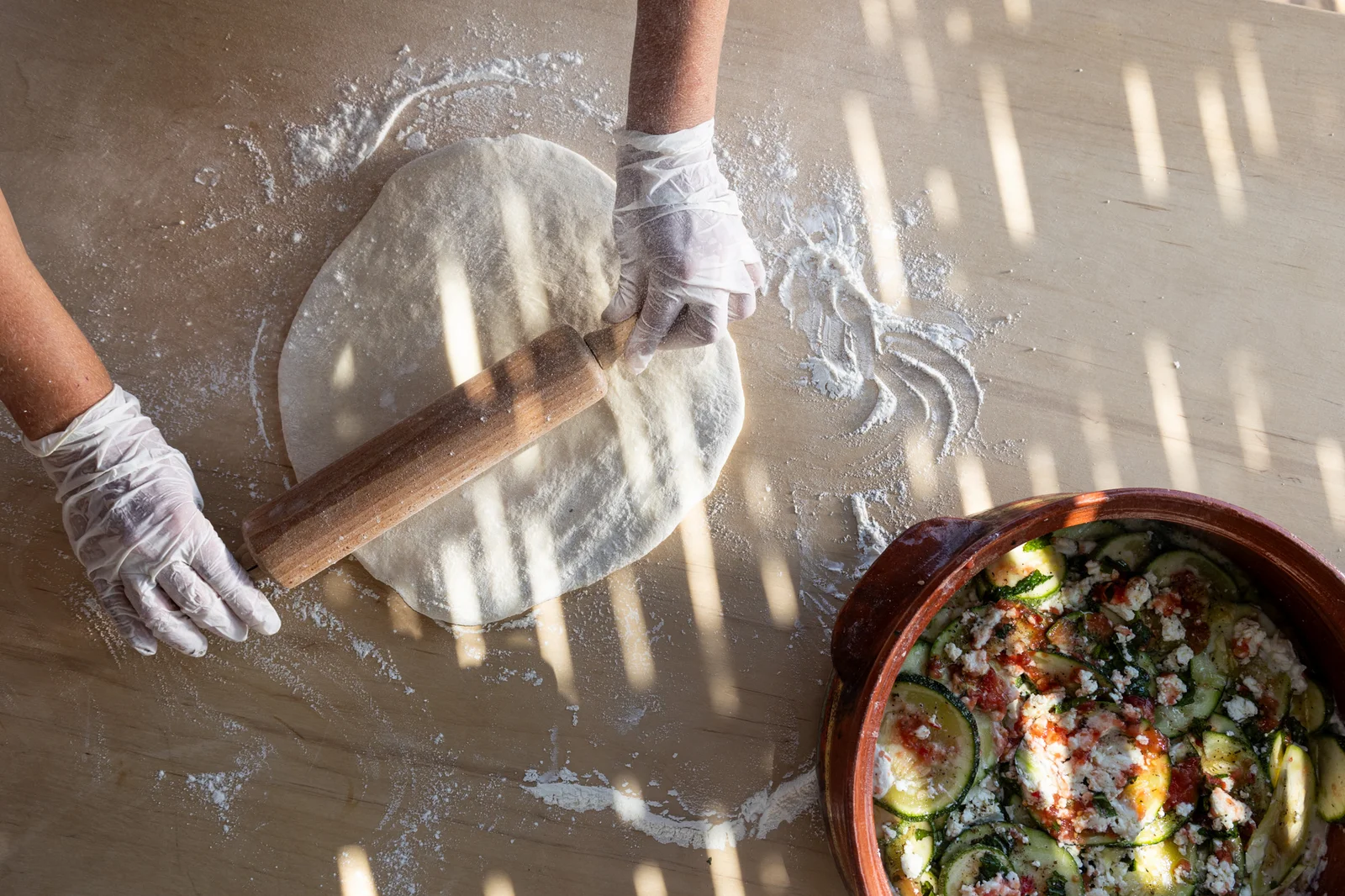
The single best eating experience in Crete is not in any city restaurant. It is in a village taverna where the owner’s wife has been cooking since morning — lamb in the wood-burning oven, horta from the garden, village wine in a ceramic jug, and no menu because there is only ever one thing to eat and it is always the right thing. Finding these places requires local knowledge.
105 Olives includes village taverna meals as part of private day tours — not as a tourist attraction, but as a genuine stop for lunch on the way to wherever you’re going. This is the food that Cretan families eat. Nothing about it is performed for visitors. That is its value.
Practical Eating Guide for Crete
- Lunch culture: Greeks eat lunch late (2–3pm) and take it seriously. The midday meal is often the main meal of the day. Many tavernas close between 4pm and 7pm.
- Dinner timing: Greeks dine late — locals rarely eat before 9pm. Restaurants that fill at 7pm are tourist-oriented; the ones that fill at 9:30pm are local.
- Ordering: In a traditional taverna, you don’t have to order everything at once. Order a few plates, see what arrives, and keep ordering. The meal is meant to be gradual.
- Wine: Ask for the house wine (krasaki) in village tavernas — it is usually locally produced and remarkably good. In city restaurants, Cretan PDO wines are the obvious choice.
- Tipping: Service is included in Greece. Rounding up or leaving a few euros extra is appreciated but never expected.
Food Tours and Private Dining with 105 Olives
105 Olives can arrange private food tours of Chania or Heraklion markets, guided village taverna lunches, and private dinner reservations at the best restaurants in Crete. For groups who want to eat at the best places without the research, we handle all bookings and logistics. Contact us to plan your culinary itinerary.
Frequently Asked Questions
What is the must-try dish in Crete?
Dakos — barley rusk topped with grated tomato, mizithra cheese, capers, and olive oil — is the quintessential Cretan starter. Simple, seasonal, and completely dependent on the quality of its ingredients. If you eat nothing else specifically Cretan, eat dakos. Twice.
Are there good vegetarian options in Crete?
Yes — Cretan cuisine is naturally plant-forward. Wild greens (horta), legume stews, stuffed vegetables, spanakopita, and the extraordinary range of mezedes mean vegetarians eat very well. Vegans have a slightly harder time (cheese and olive oil are everywhere) but the vegetable cookery is exceptional.
How much should I budget for a meal in Crete?
A full meal with wine at a village taverna: €15–25 per person. A harbour restaurant in Chania or Heraklion: €25–40. A good city restaurant: €35–55. A serious fine dining experience (Peskesi): €55–75 including wine. Street food (souvlaki, tiropita, bougasa) from €2–5.n
