
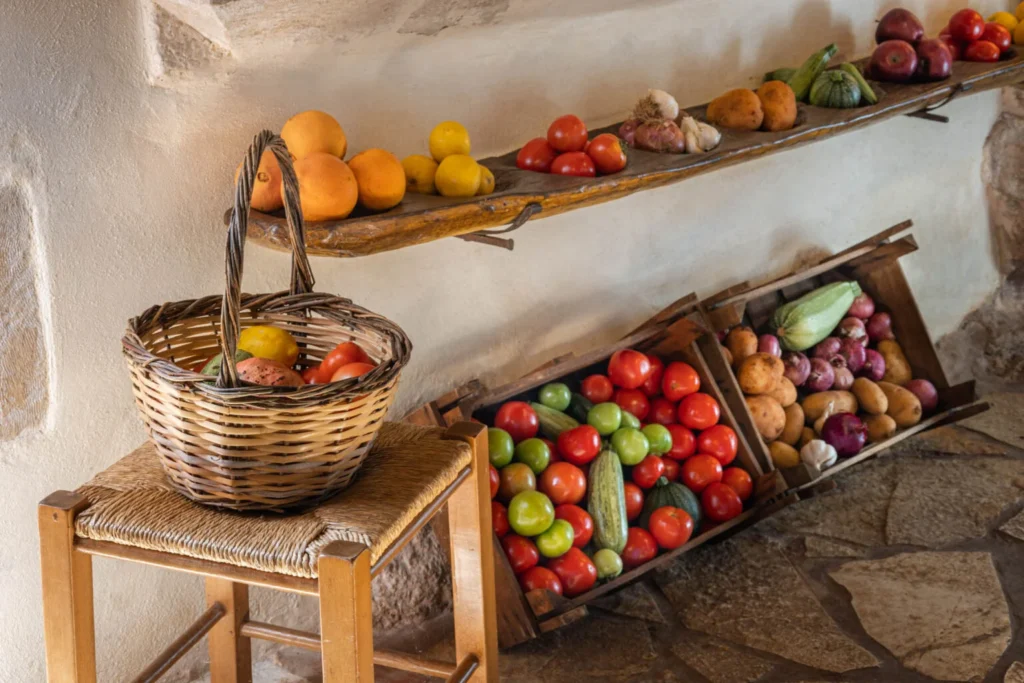
A Cretan cooking class teaches you the foundations of one of the world’s healthiest cuisines — using local olive oil, wild herbs, and seasonal vegetables in a real farmhouse or village kitchen. Classes typically run 3–4 hours, include a full shared meal, and are tailored to your group. No culinary experience required.
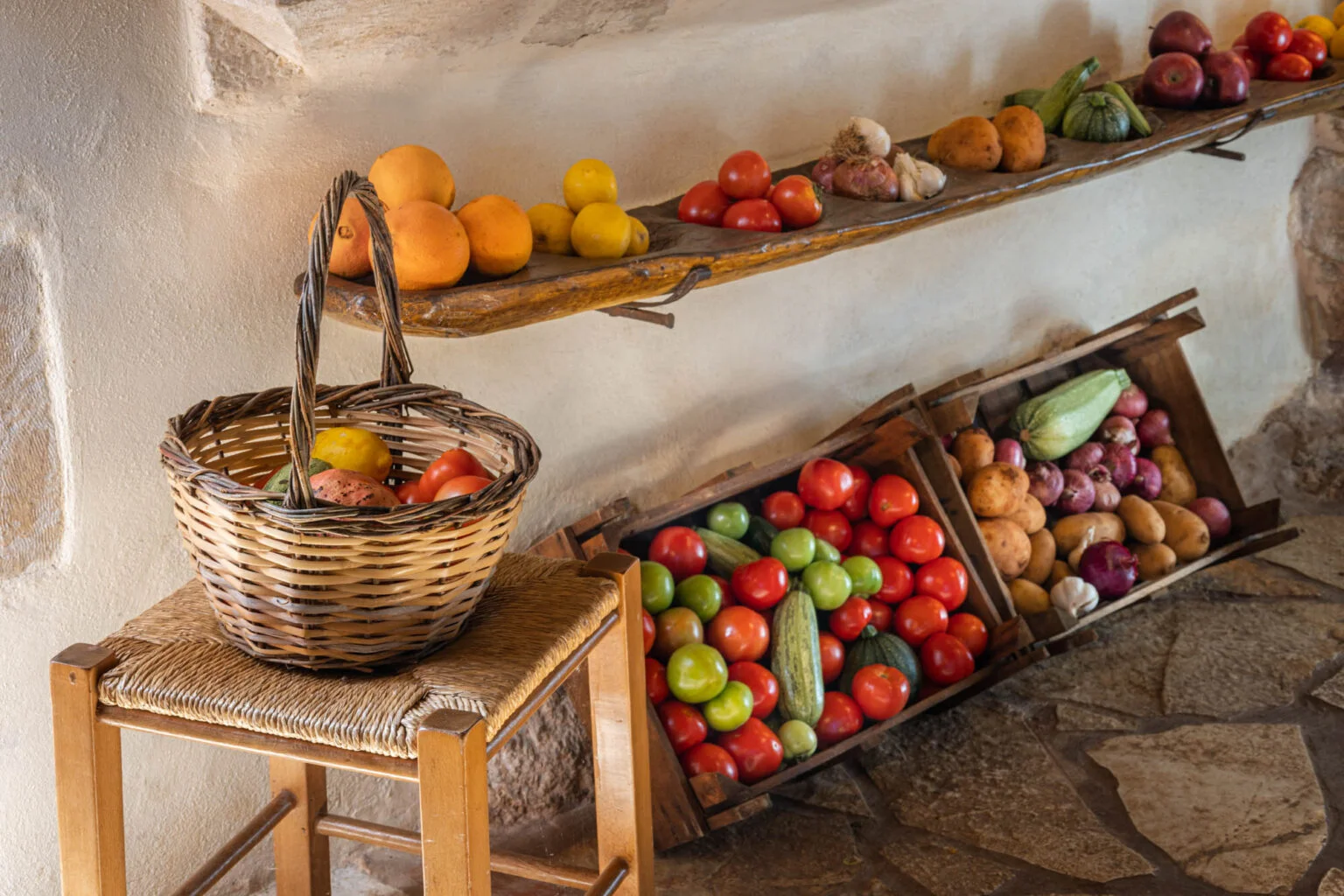
Why a Cretan Cooking Class Is More Than a Recipe Lesson
Cretan cuisine is listed as part of UNESCO’s Intangible Cultural Heritage, and the island’s traditional diet is the subject of ongoing longevity research. Taking a cooking class here isn’t just learning to make food — it’s understanding why Crete produces some of the world’s oldest populations, why every meal begins with olive oil, and what the connection between land, sea, and table means on this island.
The ingredients tell the story. Cretan extra virgin olive oil is pressed from trees that are sometimes 500 years old. The wild greens (horta) are gathered from hillsides the morning before class. The cheese — mizithra, graviera, anthotiros — comes from goats and sheep that graze on mountain herbs. When you cook with these ingredients, you are handling a living tradition, not a recipe card.
105 Olives organises private cooking classes in authentic village settings — farmhouses outside Chania, olive groves in the Apokoronas region, and traditional homes in the White Mountains foothills — not hotel kitchens or tourist-facing demonstration studios.
What You Learn in a Cretan Cooking Class
A well-structured class covers the full arc of a Cretan meal, from appetisers to dessert. You work with real local produce, learn techniques passed down through generations, and understand the philosophy behind each dish — not just the recipe steps.
| Dish | Key Technique | Main Ingredient | When Served |
|---|---|---|---|
| Dakos (barley rusk salad) | Assembling & seasoning | Cretan barley rusk, tomato, mizithra | Starter / meze |
| Spanakopita (spinach pie) | Phyllo pastry handling | Wild greens, feta, olive oil | Meze / main |
| Slow-braised lamb with stamnagathi | Slow braising | Local lamb, wild chicory | Main course |
| Stuffed courgette flowers | Delicate filling & frying | Rice, herbs, courgette flowers | Starter / seasonal |
| Loukoumades (honey fritters) | Deep frying, honey glaze | Dough, Cretan honey, walnuts | Dessert |
| Estate olive oil tasting | Aroma, colour, peppery finish | EVOO varieties | Throughout meal |
Private vs Group Cooking Classes: Which Is Right for You?
Private cooking classes give your group the full attention of the host and teacher, with a menu tailored to your dietary preferences and skill level. Group classes cost less per person but follow a fixed menu and schedule. For couples, families, or anyone who wants a genuine cultural experience rather than a tourist activity, private is worth every extra euro.
| Format | Group Size | Duration | Price Per Person | Menu Flexibility |
|---|---|---|---|---|
| Private class | 2–10 guests | 3.5–5 hours | €85 – €160 | Fully customised |
| Small group class | 6–12 guests | 3–4 hours | €55 – €90 | Fixed seasonal menu |
| Farmhouse full-day | 2–8 guests | 6–7 hours | €150 – €220 | Full Cretan feast |
| Market + cook | 2–6 guests | 5–6 hours | €120 – €180 | Market-led, seasonal |

What to Expect: A Typical Cretan Cooking Class with 105 Olives
Morning: The Market and the Garden
Many 105 Olives cooking experiences begin at a local farmers’ market or directly in the host’s garden and olive grove. You select ingredients with the host — tasting tomatoes, smelling fresh herbs, learning how to identify young olive oil by its colour and aroma. This context transforms the cooking that follows from a craft lesson into a genuine cultural exchange. You understand what you’re cooking, not just how.
The Kitchen: Technique Over Recipe
Cretan home cooking is built on technique, not measurement. You’ll learn to season by taste, identify when olive oil has reached the right temperature by sound, and understand why every dish starts with the same three ingredients: olive oil, garlic, and onion — in that order. The goal is to leave understanding how the cuisine works, so you can recreate it intuitively at home without a recipe sheet.
The Table: Eating What You Cooked
The class ends at the table, with local wine, raki, and the full meal you prepared. Your host shares the stories behind each dish — family history, village traditions, seasonal changes. This is often the part guests remember most: not the recipes, but the conversation over food that they made with their own hands.
Best Locations for a Cooking Class in Crete
Location shapes the experience significantly. Here’s what each region of Crete offers for a cooking class:
- Chania region: Strong focus on Cretan mezze, seafood dishes, and the Venetian-influenced cuisine of the old city. Best for first-time visitors to Crete.
- Apokoronas & Sfakia: Mountain traditions, slow-cooked lamb, wild herbs, and traditional cheese-making. Ideal for food enthusiasts wanting depth.
- Heraklion wine country: Cooking combined with winery visits and grape variety tastings. Best paired with a morning at Knossos Palace.
- Lassithi Plateau: Ancient farming traditions, mountain honey, and the most traditional village settings on the island.
How to Book a Cretan Cooking Class Through 105 Olives
A Cretan cooking class is consistently one of the most booked — and most remembered — experiences in the 105 Olives portfolio. Availability in peak season (July–August) is limited; we recommend booking at least 2–3 weeks ahead. Tell us your group size, dietary requirements, and whether you’d prefer a half-day or full-day format. We match you with the right host, handle transport from your accommodation, and take care of every detail.
Contact 105 Olives to arrange your cooking class. Most bookings are confirmed within 24 hours.
Frequently Asked Questions about Cretan Cooking Classes
Do I need cooking experience to join a Cretan cooking class?
None at all. Classes are designed for all skill levels, from complete beginners to confident home cooks. The focus is on Cretan technique and tradition, not culinary proficiency.
Can the menu be adjusted for dietary requirements?
Yes. Private classes are fully customisable. Vegetarian, vegan, gluten-free, and other requirements are easily accommodated — much of traditional Cretan cuisine is naturally plant-based. Inform us when booking.
Is the cooking class suitable for children?
Very much so. Cretan cooking with its simple ingredients and hands-on techniques is excellent for children aged 8 and above. Families frequently book cooking classes as their favourite Crete activity.
Where does the cooking class take place?
105 Olives classes are held in authentic village farmhouses, private homes, and working olive farms — not hotel kitchens or tourist facilities. The exact location depends on your chosen format.
Is wine included?
Local Cretan wine, water, and raki (the traditional Cretan spirit) are included throughout the meal that ends the class. Some formats include an extended wine tasting from local estates.
How long does a typical class last?
Standard private classes run 3.5–4 hours. Full-day farmhouse experiences last 6–7 hours and include a market visit, extended cooking session, and long communal lunch.
n
