
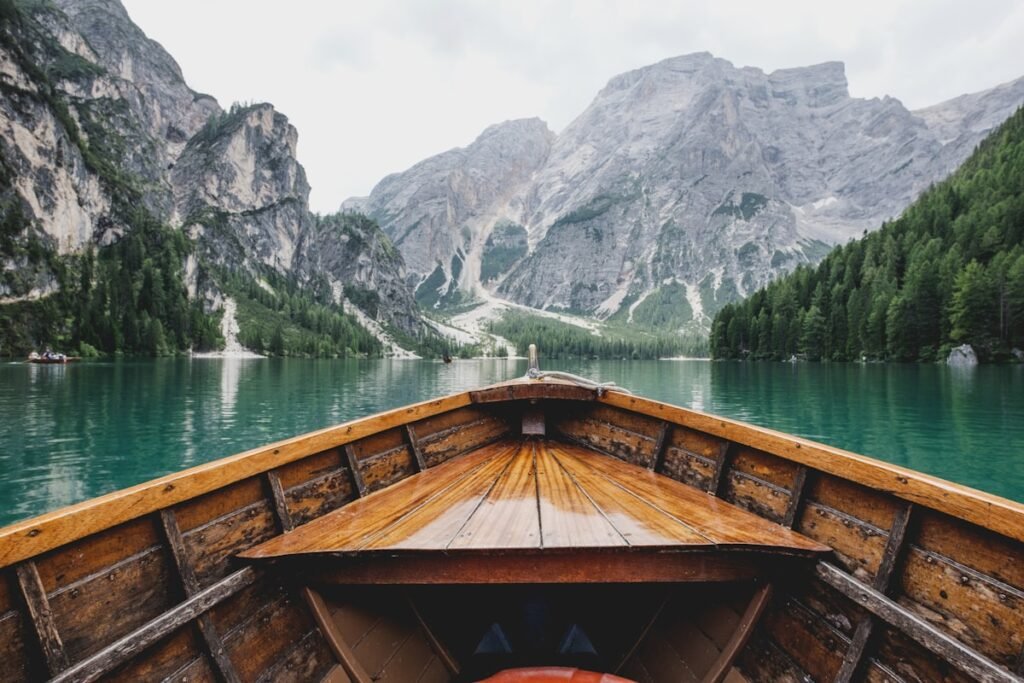
A Crete road trip itinerary is the ultimate way to experience Greece’s largest island—from Venetian harbours and windswept gorges to hidden beaches where turquoise water meets golden sand. Over seven days, you’ll drive through landscapes that shift from lush mountain villages to dramatic coastlines, discovering a side of Greece that most package tourists never reach. This comprehensive guide maps out every kilometre, every village, and every unmissable stop across Crete’s four prefectures, transforming you from visitor into explorer.
Want a quick answer? Message us on WhatsApp or fill in our trip-planning form — we reply the same day.
Why a Crete Road Trip Offers Unparalleled Freedom and Discovery
Crete stretches 260 kilometres east to west and 60 kilometres north to south, making it Europe’s fifth-largest island—yet most visitors confine themselves to Heraklion’s airport corridor or the postcard villages of the north coast. A self-guided road trip unlocks the real Crete: the Samaria Gorge’s shadowed ravines, the abandoned villages of the Askifou Plateau, the ancient Minoan palaces scattered like archaeological treasure across the landscape. Renting a car gives you the autonomy to stop at a roadside taverna in Rethymno at sunset, to explore the pink beaches of Balos Lagoon before the tour buses arrive, to take a wrong turn and stumble upon a village feast honouring a local saint that no guidebook mentions.
The island’s road infrastructure has improved dramatically over the past decade. The A90 motorway connects Heraklion to Rethymno (70 kilometres, 50 minutes), whilst secondary roads wind through the White Mountains and across the Messara Plain with quality asphalt and clear signage. Petrol stations cluster around larger towns—Heraklion, Rethymno, Chania, Ag. Nikolaos—so fuel anxiety is unnecessary even in rural areas. Mobile connectivity is excellent via Vodafone, OTE, or Wind, meaning Google Maps navigation works reliably throughout your journey.
The southern coast remains the island’s least developed region, a reality that makes it incomparably beautiful. Towns like Sougia, Paleochora, and Loutro are reachable only by car or on foot, creating natural buffers against overdevelopment. You’ll encounter beaches where tavernas serve fish caught that morning, where locals outnumber tourists even in July, where the Libyan Sea’s warm currents create swimming conditions that persist into November. These villages reward the traveller willing to spend two hours navigating mountain passes—the very isolation that discourages casual visitors becomes your gateway to authenticity.
A seven-day road trip allows sufficient time to absorb Crete’s three distinct regions without rushing. You’ll traverse from Heraklion’s Byzantine churches and Venetian fortresses, through Rethymno’s Ottoman-influenced old town, to Chania’s perfectly preserved harbour—the three cities that form the spine of Cretan tourism yet demand more than a day each to truly understand. The remaining days venture into the mountains and south coast, where most of your memories will crystallise. This itinerary follows a logical anti-clockwise loop, minimising dead mileage and maximising the transition between contrasting landscapes.
Days 1–2: Heraklion and the Central Region
Arrival, Orientation, and Knossos Palace
Begin your Crete road trip itinerary at Heraklion Airport (HER), where rental car desks cluster in the arrivals hall. Expect to spend 15 minutes completing paperwork; budget €35–55 daily for a compact manual car, €45–70 for automatic transmission. Driving from the airport into central Heraklion takes 20–25 minutes along the A90, though traffic during school hours (07:00–09:00, 13:00–14:30) can extend this to 40 minutes. Your accommodation on Day 1 should be within the old Venetian harbour district—Hotel Ibis Styles (€95/night) or Retro Suites (€140/night) offer convenience and character without excessive cost.
Knossos Palace, five kilometres south of Heraklion city centre (€15 entry), demands a full morning. This is not a ruined structure you can breeze through; it is Europe’s oldest civilisation, visible in the reconstructed throne room, the storage magazines where enormous pithoi jars contained oil and wine, the private quarters where 3,500 years ago Minoan royalty bathed in clay tubs. Arrive before 08:00 to avoid crowds (July–August can exceed 3,000 daily visitors). The site’s audio guide (€5) is essential; without it, crumbling stone becomes incomprehensible rubble. Allow 2.5 hours minimum. The museum café serves competent Greek coffee and savoury pies (€4–8).
After Knossos, drive south towards Archanes, a wine-producing village 16 kilometres from Heraklion, where Boutari Winery offers tastings of estate Vidiano whites and Kotsifali reds in a restored Venetian mansion (€12 per person, €20 with Greek cheese pairing). The winery’s terrace overlooks olive groves and the Messara Plain—this is where you’ll first experience the sensory collapse that defines Crete: mountains rising blue in the distance, the smell of wild herbs crushed underfoot, wine that tastes of limestone and southern sunlight. Booking ahead via Crete private tours ensures reserved seating and personalised guidance.
Return to Heraklion for evening exploration of the Venetian fortress (Koules), where 16th-century stone ramparts still command the harbour entrance. The fortress is open 08:00–19:00 (€4 entry), and the views from its uppermost platforms justify the climb through narrow corridors. Dinner should be at Brilliant, a locals’ favourite on Kalergi Street serving grilled octopus (€18), stifado beef stew (€16), and bulk wine (€8 per litre) in a narrow space unchanged since 1982. Heraklion’s nightlife caters to package tourists, but this neighbourhood remains authentically Cretan.
Day 2: Museum and Inland Villages
The Heraklion Archaeological Museum (€10 entry, €12 combined with Knossos) occupies a modern building in the city centre and contains the world’s finest Minoan artefacts—the Phaistos Disc (whose purpose remains archaeologically debated), the frescoes of priestesses with bare breasts and cinched waists, the bee pendant that represents the height of Bronze Age metallurgy. Spend two hours here, arriving at opening (08:00) before coach tours arrive. The museum café serves poor-quality food; eat breakfast beforehand.
By 11:00, drive inland to Anogia, a mountain village 40 kilometres south-west of Heraklion (55-minute drive via the A90 and regional roads). Anogia sits at 750 metres elevation, where cooler air and winter snows create entirely different agriculture than the lowlands. The village is renowned for traditional carpet and rug weaving; the Ilia Anogeia workshop (no website, but GPS 35.3145°N, 24.9876°E) produces hand-woven wool pieces using natural dyes—expect to spend €200–800 on a small wall hanging if quality genuinely interests you. The village also produces exceptional extra-virgin olive oil; Cretan Oil Company operates a small production facility where you can purchase unfiltered, peppery oil (€10/litre) directly from the producer.
Lunch in Anogia at Taverna Katsambas (GPS 35.3156°N, 24.9891°E) offers simple grilled meats, horta (boiled wild greens), and local feta. The taverna has no website and operates on unpredictable hours—phone ahead (+30 28340 31469) to confirm opening. Budget €20–28 per person for a substantial meal with wine. The village’s folk museum (€3 entry) houses traditional costumes and equipment in a restored house; it’s modest but illuminating regarding village life across centuries.
The drive from Anogia back to Heraklion in late afternoon (55 minutes) takes you through the Messara Plain’s agricultural heartland—olive groves, vineyards, and scattered farmsteads that constitute invisible Crete, the production zones that feed the island. Heraklion becomes your home base for two nights; spend the evening strolling the Morosini Fountain district and the restored Venetian harbour, where restaurants cluster but where locals increasingly avoid due to tourist inflation.
Days 3–4: Rethymno and the Western Foothills
The Drive West and Rethymno’s Venetian Old Town
Day 3 begins with a 70-kilometre drive west along the A90 motorway towards Rethymno (50 minutes). This stretch is relatively monotonous—new road, agricultural land, few compelling stops—making it ideal for maintaining steady progress. However, exiting the motorway at Rethi, you’ll descend into the Rethymno district, where the landscape suddenly becomes greener: orange groves, lemon terraces, and the distant Cretan Sea.
Rethymno town, population 16,000, occupies a headland crowned by the Venetian fortress and flows downslope through a labyrinth of narrow streets where Ottoman and Venetian architecture intertwine. Park your rental car in the modern town’s outskirts (€2–3 daily at supervised car parks on the ring road) and enter the old town on foot via the main gate. This is essential: Rethymno’s old town comprises a medieval maze where cars cause more problems than convenience. The Venetian harbour, where fishing boats still dock beside waterfront tavernas, remains the district’s emotional centre—unchanged in character since 1650.
Accommodation in Rethymno should prioritise the old town despite higher prices. Palazzo Vecchio (€125/night) is a restored Venetian mansion offering period furnishings and modern amenities within metres of the harbour. Alternatively, Atelier Suites (€145/night) converts a 16th-century residence into contemporary luxury without compromising original stone walls and archways. These properties require advance booking during July–August when capacity tightens dramatically.
Spend the afternoon exploring the Venetian fortress (Fortezza di Rethymno), which perches 30 metres above the harbour. The fortress costs €4 to enter and occupies approximately 4 hectares, containing ruined buildings, restored cisterns, and the restored Venetian governor’s residence. The climb is manageable (20 minutes from harbour level), and the views encompassing the Cretan Sea to Crete’s northern coast reward the effort. The fortress’s northern rampart provides dramatic sunset photography, attracting photographers from throughout the region.
Rethymno Coastal Exploration and Monastic Communities
Day 4 combines coastal exploration with inland monasteries, creating a varied itinerary within a 40-kilometre radius. Begin by driving east from Rethymno towards Panormo (20 kilometres, 25 minutes), a fishing village with a sheltered pebble beach where tavernas serve fresh fish daily. Taverna Nikos (GPS 35.3689°N, 24.4521°E) has operated since 1995 and sources fish from its own boat; expect to pay €22–32 per person for grilled sea bream or red mullet with village salad and house wine.
From Panormo, a mountain road climbs towards Arkadi Monastery (altitude 520 metres), one of Crete’s most historically significant religious sites. The 16th-century monastery is built into a gorge, and its baroque church façade is exceptionally preserved. Entry costs €3; allow one hour for exploration. The monastery’s history is tragic: during the 1866 Cretan rebellion, Ottoman forces besieged the monastery, and defenders detonated the gunpowder magazine rather than surrender, killing approximately 700 people—a mass suicide now commemorated on Cretan independence day. The sense of historical weight within these walls is palpable; this is not a tourist attraction but a deeply meaningful place for Cretan identity.
After Arkadi, continue south towards Eleftherna, an archaeological site dating to the Geometric and Archaic periods (800–500 BCE), sitting at 480 metres elevation overlooking the Mylopotamos Gorge. The site costs €4 to enter and contains ruins of temples, walls, and house foundations spread across two hills. The museum (housed in a modern facility at the site entrance) displays pottery, bronze tools, and a remarkable bronze cauldron dating to 700 BCE. This site receives approximately 30 visitors daily, making it profoundly quieter than Knossos. Serious archaeology enthusiasts allocate 90 minutes; casual visitors spend 45 minutes.
Return to Rethymno via the southern mountain road (approximately 30 kilometres, 50 minutes), which snakes through villages like Prines and Axos. This drive offers authentic interior Crete—narrow winding roads, churches with blue-domed roofs, villagers tending gardens—that constitute the island’s cultural heartland. Dinner in Rethymno should be at Taverna Veneto (GPS 35.3734°N, 24.4734°E), an unexpectedly sophisticated restaurant in the old town serving stiffled rabbit with stewed vegetables (€19), lamb chops (€21), and carefully curated local wines. Booking is advisable during peak season.
Days 5–6: Chania and the Western Extremity
Chania’s Harbour and Venetian Quarter
The drive from Rethymno to Chania covers 52 kilometres along the A90 motorway in approximately 50 minutes. Chania, Crete’s largest city and its cultural heart (population 53,000), announces itself dramatically as you descend the final kilometres: the Cretan Sea spreads before you, and the white-washed old town emerges along the harbour. Parking is challenging in the city centre; use the multi-storey car park (€2/hour, €8 maximum daily) on the ring road and enter the old town on foot.
Chania’s Venetian harbour is arguably Greece’s most photographed waterfront—the coloured caïques (traditional fishing boats) reflected in still morning water, the lighthouses at the harbour entrance, the mountains rising immediately inland. This postcard perfection comes with a caveat: the waterfront has become progressively commercialised, with restaurants charging €28–35 for grilled fish that quality does not justify. However, the old town’s interior streets—narrow, shaded passages with hanging laundry, traditional shutters, and occasional revolutionary plaques—preserve authentic character that commercialism has not yet destroyed.
Accommodation in Chania should prioritise the old town despite premium pricing. Kareco Homes (€155/night) rents restored traditional townhouses with stone walls and high wooden ceilings. The Venetian (€180/night) offers four-star comfort in a converted palazzo. Book these properties well in advance (June onwards fills rapidly for July–August). If old-town accommodation is unavailable, the Nea Chania district immediately south offers more affordable options: Hotel Doma (€105/night) is a restored neoclassical mansion with old-world charm, located a ten-minute walk from the harbour.
Spend your first afternoon in Chania exploring the Museum of Cretan Ethnography (€8 entry, closed Sundays), housed in the Venetian Moro-Morenigo house. This museum showcases traditional costumes, weavings, agricultural tools, and domestic furnishings across four centuries—far more engaging than its modest exterior suggests. The museum occupies multiple rooms and levels; allow 90 minutes for thorough exploration. The gift shop sells high-quality reproductions of traditional textiles and embroidery, ethically priced compared to tourist-trap alternatives.
Day 6: Western Expeditions and the Samaria Gorge Approach
Day 6 ventures towards Crete’s western extremity and the Samaria Gorge’s northern approach. Drive south from Chania towards Omalos (approximately 38 kilometres, 55 minutes via the mountain road), a village at 1,040 metres elevation that serves as the principal gateway to the Samaria Gorge. The drive itself is spectacular: the road climbs steeply, vegetation transitions from citrus groves through pine forests to scrubland, and the Cretan Sea recedes to a distant horizon. Stop at the Omalos plateau’s viewpoint (clearly marked, approximately 30 kilometres from Chania) to absorb the landscape’s vastness.
Hiking the Samaria Gorge requires 5–7 hours of descending 16 kilometres through one of Europe’s most dramatic ravines. Day 6 allows insufficient time for a complete gorge traverse; instead, hike the upper 5 kilometres from the Xyloskalo trailhead to the Iron Gates (Portes Sideresportes), a bottleneck where the gorge walls narrow to four metres. This partial hike (approximately 3 hours return, moderate difficulty) immerses you in the gorge’s character—towering Pinus nigra trees, the seasonal stream, and the geological testimony of millennia in rock stratification. The Xyloskalo starting point charges €5 entry. Return to Omalos by early afternoon and descend back to Chania, arriving by 18:00.
Alternatively, if physical capability is limited, visit the Samaria Gorge National Park Visitor Centre in nearby Xyloskalo village (€3 entry, includes museum and documentary film). The centre provides geological and ecological context for the gorge and displays taxidermied Cretan wild goats (kri-kri), which inhabit the gorge’s inaccessible central sections. The film (30 minutes, available in English) contextualises the gorge within Crete’s geomorphology and protected status.
Evening in Chania should be spent at dinner in the old town’s interior streets rather than the waterfront. Tamam (GPS 35.3433°N, 24.4495°E) is a Turkish-influenced restaurant serving slow-cooked lamb wrapped in vine leaves (€19) and aubergine-based mezze (€4 each). The restaurant’s location in a converted hammam (Turkish bath) adds historical depth. Alternatively, Moderno (GPS 35.3441°N, 24.4521°E) is a contemporary restaurant serving innovative versions of traditional Cretan dishes—wild greens and feta croquettes (€8), lamb with pomegranate reduction (€22)—in a sophisticated atmosphere without pretension.
Comprehensive Seven-Day Crete Road Trip Daily Overview
| Day | Route | Distance | Driving Time | Key Sites | Accommodation |
|---|---|---|---|---|---|
| 1 | Heraklion Airport → Heraklion City | 25 km | 25 min | Koules Fortress, Venetian Harbour | Heraklion (€95–140) |
| 2 | Heraklion → Knossos → Anogia → Heraklion | 80 km | 2h 15 min | Knossos Palace, Museum, Anogia Weaving | Heraklion (€95–140) |
| 3 | Heraklion → Rethymno via A90 | 70 km | 50 min | Venetian Fortress, Harbour, Old Town | Rethymno (€125–145) |
| 4 | Rethymno → Panormo → Arkadi → Rethymno | 60 km | 1h 40 min | Arkadi Monastery, Eleftherna Site, Fishing Village | Rethymno (€125–145) |
| 5 | Rethymno → Chania via A90 | 52 km | 50 min | Venetian Harbour, Ethnography Museum, Old Town | Chania (€155–180) |
| 6 | Chania → Omalos → Samaria Gorge → Chania | 76 km | 2h 20 min | Samaria Gorge (partial hike), Mountain Views | Chania (€155–180) |
| 7 | Chania → South Coast → Chania/Departure | 120 km | 3h 30 min | Sougia, Paleochora, Balos Lagoon, Beaches | Chania or Beach Village (€85–160) |
Days 5–6 Extended: South Coast Adventures and Hidden Beaches
If your itinerary permits, dedicate Day 6 entirely to Crete’s south coast, one of the Mediterranean’s genuinely undeveloped coastal regions. Begin by driving south from Chania towards the Askifou Plateau (approximately 35 kilometres, 70 minutes via winding mountain roads). The drive gains 800 metres elevation and passes through increasingly remote villages: Fournes, Topolia, and finally Paleochora, a coastal village population 400 that becomes a small resort in summer months. The southern coast road (traversable only after recent infrastructure investment) connects isolated villages that previously required five-hour journeys to reach.
Paleochora sits at the confluence of two marine environments: the Libyan Sea to the west (warmer, less developed) and the smaller Cretan Sea to the east. The village possesses two beaches separated by a Venetian castle promontory—one sandy and protected, one pebbly and windswept. Taverna Paleochora (GPS 35.2456°N, 23.7234°E) serves catch-of-the-day fish (€20–26) and operates without website or telephone bookings; arrive early (13:00–14:00) to ensure seating. The village’s lodging is basic but clean: Maria Rooms (€65/night) offers traditional studios with sea views in the village centre.
East of Paleochora lies Sougia, an even smaller village (population 150) that historically served as a Roman port but now functions as a beach destination for wanderers and independent travellers. The drive from Paleochora to Sougia covers 42 kilometres and requires 1.5 hours via the E4 European footpath road—an experience itself, with hairpin turns and vistas across olive-covered hillsides to the sea. Taverna Paleochora in Sougia (GPS 35.3012°N, 24.1567°E, different owner than the Paleochora branch) serves grilled fish (€18–24) with remarkable simplicity and quality. The Sougia Rooms (€70/night) and Galaxias Hotel (€80/night) provide accommodation without pretension.
The north coast possesses developed infrastructure; the south coast remains a landscape where tourism has barely begun. This imbalance creates opportunities: you’ll encounter beaches where the nearest taverna requires a 20-minute walk, where the water’s clarity permits underwater archaeology without specialist equipment, where sunbathers number fewer than ten on beaches spanning kilometres. This is why the south coast demands inclusion in your seven-day itinerary—not for specific attractions, but for the sensory experience of Crete as it existed before airport expansion and package tourism.
Practical Information: Driving in Crete, When to Visit, and Getting Around
Car Rental and Road Conditions
Rental car prices fluctuate seasonally: expect €35–45 daily for compact manuals during shoulder seasons (April–May, September–October), rising to €50–70 during peak summer (July–August). International rental companies (Hertz, Avis, Europcar) operate at the airport with standardised pricing; local companies often undercut by €10–15 daily but may impose additional insurance requirements. Automatic transmission vehicles cost 30–40% more; if you’re uncomfortable with manual transmission, the expense is justified given Crete’s mountain passes.
Petrol prices in Crete are approximately 10–15% higher than mainland Greece (currently €1.45–1.65 per litre as of 2024). Budget approximately €60–80 for fuel across your seven-day itinerary. Petrol stations congregate around Heraklion, Rethymno, and Chania; fuel availability is not a concern, though prices increase in remote areas. Driving conventions differ markedly from UK standards: Greeks drive aggressively, honk frequently to signal intention rather than frustration, and treat lane markings as suggestions. Rental cars are compact to navigate narrow village streets; expect to feel cramped during longer drives.
Road conditions are generally excellent on the A90 motorway and secondary roads connecting major towns. Mountain roads (particularly those south towards the Askifou Plateau and western gorges) are narrower and windier; exercise patience, reduce speed, and assume that any vehicle approaching from ahead occupies your lane. Signage is adequate throughout the island; however, village names frequently appear in both Latin alphabet and Greek script, and GPS coordinates occasionally mislabel minor roads. Mobile navigation via Google Maps is reliable and recommended despite minor data costs.
Parking in Crete’s three major cities (Heraklion, Rethymno, Chania) is available in supervised car parks (€2–3 daily) and on-street parking (metered, €0.50–1.50 hourly). Village parking is invariably free. Driving licences from all EU and most non-EU countries are valid; you’ll need your passport, vehicle registration documents, and proof of insurance. Car rental includes basic liability insurance; comprehensive coverage costs an additional €8–15 daily and is strongly recommended, particularly if you’re unfamiliar with Greek driving culture.
Seasonal Considerations and Optimal Timing
Crete experiences a Mediterranean climate with hot, dry summers and mild, occasionally wet winters. Road trip season extends from April through November, with distinct advantages and disadvantages across this span. April–May offers the ideal combination: temperatures of 22–26°C, water warm enough for swimming (19–21°C), wildflowers adorning the landscape, and tourist density still manageable. July–August brings peak tourism, with temperatures exceeding 32°C, water temperatures of 25°C, and overwhelming crowds at famous sites like Knossos and the Samaria Gorge. September–October offers autumn warmth (26–29°C), thinning crowds, and water temperatures remaining swimmable (23–25°C); however, occasional rainstorms can occur.
November through March brings cooler weather (12–17°C), occasional substantial rainfall (particularly December–January), and reduced tourist infrastructure. Many restaurants in small villages close entirely during winter months. Mountain roads may become challenging due to snow, particularly above 800 metres elevation. However, winter Crete possesses exceptional character: cooler temperatures permit exploration without heat stress, landscapes transform to vivid green following autumn rains, and encounters with locals increase dramatically as tourism vanishes. Winter is ideal for landscape photography and experiencing authentic Cretan village culture but requires flexibility regarding specific site access and restaurant availability.
Accommodation availability constrains planning during July–August, when advance booking (minimum 2–3 weeks prior) is mandatory. Shoulder seasons (April–May, September–October) provide significantly easier booking whilst maintaining excellent weather. Prices drop 20–30% outside peak summer, making shoulder seasons financially advantageous. Public holidays (particularly Easter, which occurs later in Greece than Western Europe, falling in May in 2024 and 2025) create temporary crowding; consulting the Greek Orthodox calendar aids planning.
💬 Chat on WhatsApp — Plan Your Trip
Frequently Asked Questions
Is it safe to drive in Crete as a visitor unfamiliar with Greek roads?
Crete is significantly safer for visitor driving than Athens or other Greek urban centres. Roads are clearly marked, signage is adequate, and whilst Greek drivers are aggressive, predictable patterns exist once you understand them. Avoid driving at night if possible (visibility is compromised, and stray livestock occasionally occupies rural roads). Proceed with caution on mountain passes, particularly those south towards the coast. If you’re extremely uncomfortable with unfamiliar driving cultures, hire a private driver through private airport transfers in Crete services, which cost €50–80 daily but eliminate driving stress.
How much should I budget daily for accommodation, food, and activities?
Budget €80–250 nightly for accommodation depending on standards and season (budget villages €65–100, mid-range towns €100–180, premium old-town properties €150–250). Restaurant meals cost €15–30 per person at quality establishments; tavernas in tourist areas charge 30–50% premiums. Archaeological sites cost €3–15 entry each. A realistic daily budget (excluding accommodation and petrol) is €60–120 per person for a self-guided road trip, rising to €150–250 if hiring local guides at sites. Total seven-day cost is approximately €800–1,400 per person including car rental, accommodation, and all meals.
Can I complete this itinerary if I’m not an experienced hiker?
Absolutely. The Samaria Gorge hike on Day 6 is optional; substitute the partial hike (5 kilometres, moderate difficulty, 3 hours) or visit the visitor centre instead. All other sites are accessible via short walks of less than 30 minutes. Knossos Palace and the Venetian fortresses in Rethymno and Chania involve stair climbing but pose no challenge to anyone of reasonable fitness. The majority of your itinerary—driving, beach visits, taverna dining, museum exploration—requires no athleticism whatsoever.
Should I pre-book restaurants, archaeological sites, and accommodations?
Accommodations must be pre-booked 2–3 weeks in advance during July–August; during shoulder seasons, one-week advance booking is sufficient. Archaeological sites do not require advance booking; arrive early (before 09:00) to avoid crowds. Fine restaurants (Tamam, Moderno, Panormos tavernas) benefit from advance reservations, particularly Friday–Saturday. Casual village tavernas do not require booking and indeed often do not accept reservations; arrive during typical meal times (13:00–15:00 for lunch, 20:00–22:30 for dinner) and accept a 15–30-minute wait during peak season.
What’s the best way to experience authentic Crete rather than tourist versions?
Prioritise village tavernas over waterfront restaurants, hire local guides at archaeological sites via multi-day tours from Crete services, eat lunch at times locals eat (13:00–14:30) rather than 12:00, and venture south coast and mountain villages where tourism infrastructure remains minimal. Learn five Greek phrases (kalispéra [good evening], efharistó [thank you], kalí órexi [bon appétit], parakálo [please], néa [yes]). Interact with restaurant owners regarding their suppliers and food sources; these conversations reveal authentic Crete more reliably than guidebooks. Accept that perfect English, imported cheese, and Italian wine indicate tourist-oriented establishments; genuine restaurants feature Greek staff, locally sourced ingredients, and basic English at best.
Insider Tips and Local Secrets: Beyond Standard Guidebook Information
The most consistent mistake visitors make is rushing—fitting Crete into five days when seven provides minimal time, attempting full Samaria Gorge hikes on poorly planned itineraries, racing through villages to meet arbitrary daily targets. Crete rewards slowness. Spend extra time in villages like Anogia where artisanal culture persists. Sit in tavernas for three hours, conversing with the owner. Walk the Rethymno old town’s interior streets on a morning when shops are closed and only residents traverse the narrow passages. These unstructured hours constitute your actual Crete experience; the attractions are merely frameworks justifying your presence.
A profound secret: the best beaches are accessible only by foot. Balos Lagoon, Crete’s famous pink-sand beach, is overwhelmed with tourists by 11:00 AM daily. Instead, explore the southern coast between Sougia and Paleochora, where dirt road access and 20-minute walks from the road eliminate casual tourists. Beaches like Glyka Nera (GPS 35.2987°N, 24.1243°E), accessed by walking downslope from a small parking area, remain empty even in peak summer, with fresh water springs meeting the sea and fish so abundant they tickle your legs whilst swimming. These beaches require research—local tourism offices provide maps—and a willingness to venture beyond signposted sites, but the reward is swimming in Mediterranean beauty without observing another human.
Wine tourism in Crete remains underdeveloped compared to mainland regions. Boutari is famous and reasonably authentic. However, micro-producers in villages like Archanes and around Heraklion offer superior experiences. Contact local wineries directly (your accommodation proprietor likely knows proprietors personally) and arrange impromptu tastings in person rather than via websites. These visits cost €15–25 per person and frequently include lunch, with no guarantee of purchasing anything. Cretan wine is exceptional—the Vidiano whites particularly—and far cheaper to purchase directly from producers (€8–14 per bottle) than through restaurants (€25–40 per bottle).
Language utility is overstated; most younger Cretans in tourism areas speak fluent English, and menu boards in major towns are multilingual. However, very few visitors bother learning basic Greek, creating unique opportunities. A ten-minute conversation in Greek (however imperfectly executed) with a taverna owner transforms your relationship from tourist to quasi-guest. Free introductory Greek lessons exist on Duolingo; completing two weeks’ worth before arrival costs mere hours and yields disproportionate returns in authentic interaction. Additionally, locals are genuinely touched by efforts to speak their language, and price negotiation becomes more successful when conducted in Greek rather than English.
Budget Breakdown and Cost Planning for Your Seven-Day Road Trip
A realistic budget for a self-guided road trip in Crete varies substantially based on accommodation standards and dining preferences. Budget accommodation (village studios, basic hotels) ranges €65–100 nightly; mid-range (family-run hotels, restored traditional properties) costs €100–180 nightly; premium accommodation (luxury old-town townhouses, boutique properties) reaches €180–250 nightly. Over seven nights, accommodation costs €455–1,750, with significant variation based on season. Shoulder seasons (April–May, September–October) offer superior value, reducing accommodation costs 20–30% compared to July–August whilst maintaining excellent weather.
Daily food costs depend heavily on dining strategies. Consuming breakfast at your accommodation (most include breakfast), purchasing lunch at tavernas (€15–25 per person), and dining at dinner restaurants (€25–40 per person) yields approximately €50–80 daily per person for food. Purchasing groceries from supermarkets and preparing some meals (realistic if accommodation includes kitchen facilities) reduces this to €30–50 daily. Archaeological site entry averages €3–15 per site; a conservative budget covering all principal sites is €40 across your itinerary. Car rental costs €45–70 daily (€315–490 for seven days), and petrol costs €60–80 total. Total per-person budget for a week is approximately €900–1,400 including accommodation, food, transport, and entry fees.
Cost optimisation strategies include booking accommodation before 15th March (early-season discounts are substantial) and during September–October (post-summer drop). Eating lunch as your primary meal (Greek restaurants serve generous portions at midday pricing 30% lower than equivalent evening meals) reduces food costs substantially. Visiting fewer paid archaeological sites and prioritising free resources (village walking, beaches, coastal roads) maintains authentic experience whilst reducing expenditure. Purchasing wine and snacks at supermarkets rather than tavernas offers savings; budget supermarkets like Lidl and Aldi exist in Heraklion, Rethymno, and Chania with prices 50% below tourism-area establishments.
Daily Cost Comparison: Budget vs. Mid-Range vs. Premium
| Expense Category | Budget Daily | Mid-Range Daily | Premium Daily | 7-Day Total (Budget) |
|---|---|---|---|---|
| Accommodation | €75 | €140 | €210 | €525 |
| Food (breakfast, lunch, dinner) | €35 | €60 | €90 | €245 |
| Car rental (daily share) | €50 | €60 | €70 | €350 |
| Petrol | €12 | €12 | €12 | €85 |
| Archaeological entry fees | €6 | €8 | €10 | €40 |
| Activities (wine tasting, guides) | €0 | €25 | €50 | €0 |
| Total Daily Per Person | €178 | €305 | €442 | €1,245 |
Extending Your Crete Experience: Related Island Trips and Multi-Day Adventures
After completing a seven-day Crete road trip, many travellers possess sufficient time for supplementary island experiences. Crete’s position in the central Aegean makes day trips feasible to neighbouring islands via ferry and speedboat services. Santorini, 115 kilometres north-west, is reachable via a two-hour ferry journey from Heraklion or Rethymno ports. A Santorini day trip costs €45–65 per person (ferry return) and permits exploration of the island’s volcanic landscapes and caldera views, though this requires an early ferry departure and evening return, creating exhausting but achievable itineraries. Alternatively, Santorini day trips from Crete can be arranged through specialist tour operators, which typically cost €120–200 per person including ferry and guided exploration but eliminate logistical complexity.
For travellers with ten to fourteen days available, combining Crete with Athens enriches understanding of Greek civilisation by contrasting Minoan palace culture (Bronze Age, 2000–1100 BCE) with Classical Greek architecture (500–400 BCE). Athens requires a one-hour flight from Heraklion or approximately 12–14 hours by overnight ferry. Athens day trips from Crete are feasible but exhausting; a minimum two-day Athens extension is recommended. This combination permits exploration of the Acropolis, Panathenaic Stadium, and the Archaeological Museum’s Neolithic-through-Roman collections, contextualising Cretan artefacts within broader Mediterranean history.
Multi-day yacht charters constitute a premium extension ideal for travellers comfortable with marine environments. Crete’s southern coast, accessible only by sea or foot in many locations, reveals beaches and villages unreachable by road. Private yacht charter in Crete begins at €1,500–2,500 daily for a four-person sailboat, increasing to €3,000–6,000 for luxury motor yachts with crew. A three-day charter south from Chania or Rethymno permits exploration of Paleochora, Sougia, and lesser-known anchorages whilst swimming in crystalline waters and dining aboard the vessel. These experiences transform Crete from a road trip into a multi-sensory immersion.
Essential Summary: Your Crete Road Trip Awaits
A seven-day Crete road trip itinerary delivers the island’s comprehensive experience within a realistic timeframe. You’ll progress from cosmopolitan city exploration (Heraklion’s museums and fortresses) through charming coastal towns (Rethymno and Chania’s Venetian quarters) into remote mountain villages and dramatically beautiful southern coast regions that few travellers discover. The itinerary balances famous attractions (Knossos Palace, Samaria Gorge) with lesser-known archaeological sites and hidden beaches, ensuring you experience both iconic Crete and authentic Cretan life.
The logistics are straightforward: a rental car costing €45–70 daily, accommodation totalling €525–750 across seven nights, and food and activities adding €400–500 yield a realistic per-person budget of €1,200–1,400 (or €900–1,100 if prioritising budget accommodation and self-catering meals). Driving standards differ from UK norms, but roads are excellent and navigation is straightforward. The optimal travel seasons are April–May and September–October, when weather is perfect and tourist crowds remain manageable. Winter offers authentic Crete at lower cost but risks occasionally-closed establishments and potential mountain road complications.
Planning a private trip to Crete? 105 Olives Greece designs tailor-made luxury experiences. Explore more Crete travel guides →
