
Imagine waking on Christmas morning to the scent of wild herbs drifting across Cretan mountains, the Aegean glistening beyond olive groves dusted with rare frost. Crete Christmas travel offers a radically different holiday experience—fewer crowds than northern Europe, authentic Orthodox traditions, warm hospitality, and Mediterranean weather that hovers around 15°C. Whether you seek a quiet, contemplative retreat in a stone village or a festive celebration with local families, Crete delivers an unforgettable seasonal escape that feels worlds away from commercialised winter holidays.
Want a quick answer? Message us on WhatsApp or fill in our trip-planning form — we reply the same day.
Why Spend Christmas & New Year in Crete?
Crete in December and early January represents a unique sweet spot for holiday travellers seeking authenticity over spectacle. Unlike crowded Alpine resorts or Caribbean cruise ports, the island transforms into an intimate, locally-focused celebration where you’ll encounter genuine Orthodox Christmas traditions rather than imported commercialism. The island receives roughly 30% of its annual visitor numbers during this period—still quieter than summer—meaning you can book restaurants without weeks’ notice and explore archaeological sites like the Minoan palace at Knossos (7 km south of Heraklion) without jostling through tour groups.
The weather during Crete’s Christmas season deserves careful attention. Daytime temperatures typically range between 12–16°C, with occasional rain and rare snow in the White Mountains (Lefka Ori), the island’s dramatic spine running east to west. Unlike the frozen north, you won’t need heavy arctic gear; instead, pack layered clothing, a good waterproof jacket, and comfortable walking shoes for exploring stone villages. The upside? Nearly 5 hours of daily sunshine on average, crisp mornings perfect for hiking, and afternoons warm enough for seaside walks in protected coastal spots like Balos Lagoon (50 km west of Chania).
Christmas in Crete carries profound cultural weight. The Orthodox celebration (sometimes falling a week after Western Christmas) involves family gatherings centred on slow food, specific traditional dishes like kourabiedes (butter biscuits dusted with icing sugar), and carol singing through village streets. New Year’s Eve on Crete is marked by fewer fireworks than other Greek regions—the island’s tradition emphasises intimate dinners, card games, and the firing of the “Vasilopita” (New Year cake) containing a hidden coin that brings luck to whoever finds it. These customs remain largely unchanged in mountain villages, offering visitors a glimpse into Mediterranean life as it has existed for generations.
Practically, a Crete Christmas holiday costs 20–35% less than the same experience in Western European resorts. Boutique hotels offer substantial discounts (€95–180 per night instead of summer rates of €180–350), restaurants serve generous portions of local food at €12–28 per person, and private guides arrange exclusive experiences at off-season rates. The island’s infrastructure remains fully operational—airports, hospitals, restaurants, and shops function normally—but with a relaxed, unhurried pace that makes visitors feel genuinely welcomed rather than processed.
Christmas Traditions & Local Celebrations in Crete
Orthodox Christmas Dates and Timeline
Western Christmas (25 December) arrives first, but Orthodox Christmas, celebrated by most Cretans, falls on 7 January according to the Julian calendar. This timing matters for travellers: if you arrive on 20 December, you’ll catch pre-Christmas markets in Rethymno’s old town and Christmas decorations throughout Chania’s Venetian harbour, but the major family celebrations peak on 6–7 January. Many restaurants offer both celebrations, with special menus and festive atmospheres from mid-December through early January. Hotels often provide Christmas hampers (€25–60 value) containing local wine, olive oil, cheeses, and traditional sweets as complimentary gifts to guests.
Village Christmas Customs Worth Experiencing
In smaller Cretan villages—particularly Anogia (45 km from Rethymno), Topolia (35 km from Chania), and Kritsa (17 km from Agios Nikolaos)—Christmas remains a community affair where visitors are often invited into homes and family celebrations. Kalanta (traditional carols) are sung door-to-door from 24 December onwards, with singers receiving small gifts, coins, or homemade pastries. The custom of lighting candles in church on Christmas Eve, then carrying the flame home whilst chanting “Christos Anesti” (Christ is risen), creates an ethereal atmosphere as entire villages glow with candlelight. Many villages also maintain the tradition of carollers performing in the village square on Christmas Eve, drawing families outdoors despite the cool evening air.
A genuine insider experience involves arranging with a private guide to attend midnight Mass at a traditional village church—the atmospheric combination of Byzantine chanting, incense, candlelit interiors carved from 13th-century stone, and the community’s unified celebration creates profound emotional resonance. After Mass, many families gather for a late breakfast featuring slow-roasted lamb, fresh bread, and warm wine. Through Crete private tours, you can arrange authentic village visits with local families who genuinely welcome respectful visitors, offering insights into customs that no museum or guidebook can convey.
New Year’s Eve Celebrations
Unlike Athens’ televised firework displays, New Year’s Eve in Crete emphasises intimate gatherings. The custom of breaking the Vasilopita (cake containing a hidden coin) occurs at midnight, with each family member receiving a slice; whoever finds the coin will supposedly enjoy good fortune throughout the coming year. Many restaurants offer special New Year’s menus (€45–85 per person) featuring multi-course traditional meals, local wine pairings, and live traditional music. Port towns like Chania and Rethymno host modest public celebrations around harbours, with locals gathering for toasts and socialising rather than chaotic crowd scenes. The relaxed atmosphere means you can genuinely connect with locals over ouzo and mezze rather than fighting through drunken mobs.
Where to Stay: Accommodation for Christmas in Crete
Accommodation choices during Crete’s Christmas season divide into three distinct experiences, each offering different values. Luxury boutique hotels in restored Venetian buildings (Chania and Rethymno’s old towns) cost €140–240 per night but provide exceptional character—stone walls, arched doorways, period fireplaces—and attentive service from staff who’ve known each other for decades. Mid-range family-run hotels in coastal villages like Plakias (45 km south of Rethymno) or Bali (30 km east of Rethymno) offer €85–150 nightly rates, warm hospitality, and locations perfect for seaside walks. Budget travellers find clean guesthouses in mountain villages—Anogia, Zoniana (48 km from Rethymno)—at €60–95 per night, where owners are often extended families who prepare communal breakfasts and can arrange village visits.
For a transformative holiday experience, consider villa rentals: restored stone houses with fireplaces, kitchens stocked with local ingredients, and private gardens where you can genuinely relax for extended periods. Holiday villas in Crete’s interior—particularly the Apokoronas region (15–25 km south of Chania)—rent for €120–280 per night for 2–4 guests, often including welcome hampers of local produce. The advantage of villa stays during Christmas is the ability to prepare meals yourself using ingredients from village markets, hire a private chef for special dinners (€350–500 for a 4-course meal for 6–8 people), or arrange morning yoga sessions on terraces overlooking olive groves.
Proximity matters during the holiday season. If you want walkable access to festive restaurants and village celebrations, stay within Chania’s old town (narrow Venetian lanes, harbour views, 2–3 km to major attractions) or Rethymno’s Renaissance quarter. If you prefer quiet contemplation away from any crowds, base yourself in southern coastal villages like Agia Roumeli (80 km from Chania) or Hora Sfakion (60 km from Chania), which maintain peaceful, authentic atmospheres whilst remaining connected by regular boat services and mountain roads to larger towns for dining and activities.
All accommodation should be booked by early October for Christmas 2026 to secure preferred locations and secure pre-holiday deposit discounts (typically 25–30% off published rates). Many family-run establishments offer substantial discounts for 7+ night stays during the Christmas period, effectively reducing nightly costs by €20–40 per night. Request properties with fireplaces specifically—a non-negotiable amenity that transforms rainy December evenings into memorable experiences.
| Accommodation Type | Location Example | Nightly Rate (€) | Best For | 7+ Night Discount |
|---|---|---|---|---|
| Luxury Boutique Hotel | Chania Old Town | €180–240 | Full-service holidays with restaurants on-site | €160–200 |
| Mid-Range Hotel | Plakias, Bali | €95–150 | Balance of comfort and local atmosphere | €80–130 |
| Private Villa | Apokoronas region | €140–280 | Secluded relaxation, family groups | €120–240 |
| Family Guesthouse | Mountain villages | €60–95 | Authentic experiences, budget-conscious | €55–85 |
| Beachfront Resort | Agios Nikolaos | €130–200 | All-inclusive relaxation with activities | €110–180 |
Practical Information: Getting to Crete & When to Visit
Nikos Kazantzakis International Airport in Heraklion (35 km from the city centre, serving the island’s north) remains the primary gateway for Christmas travel, with direct flights from major European cities (London 4.5 hours, Berlin 3.75 hours, Rome 2.5 hours) operating through December. Flight costs spike dramatically during peak Christmas travel—expect €280–450 return from UK hubs, €200–350 from central Europe—so book by early September for optimal pricing. Alternatively, Chania International Airport (14 km west of Chania city centre) offers similar connections and shorter transfer times to western Crete destinations. The journey from Heraklion airport to central Chania (160 km) takes approximately 2.5 hours via the National Road; from Chania airport to Chania old town, just 20–30 minutes. Arrange private airport transfers (€85–120 one-way for up to 4 passengers) through your accommodation or tour operator for stress-free arrivals, particularly important during the unpredictable December weather.
Ferry connections exist from Athens (Piraeus Port) to Heraklion or Chania via companies like Anek Lines and Minoan Lines, though mid-winter crossings are rougher than summer sailings—expect 7–10 hour journeys with moderate sea motion. Ferry costs range €60–120 per person one-way depending on cabin type, making ferries cost-effective only if you’re not prioritising comfort. Most visitors arrive by air, particularly those travelling internationally during the compressed Christmas holiday period.
Regarding timing, the optimal Christmas travel window runs 18 December–8 January, capturing both Western and Orthodox celebration periods. If you arrive before 15 December, you’ll experience quieter villages and discounted accommodation (€75–140 per night) but miss pre-Christmas markets and decorations. Late arrival (after 10 January) offers the lowest prices and smallest crowds but misses the festive atmosphere entirely. The weather remains stable throughout this period—occasional rain, rare snow above 600m elevation, but generally mild compared to northern Europe—making 7–10 day stays ideal for experiencing both Christmas and New Year celebrations without rushing.
💬 Chat on WhatsApp — Plan Your Trip
Frequently Asked Questions
Is it cold in Crete during Christmas, and what should I pack?
Daytime temperatures range 12–16°C with occasional rain and rare snow above 600m. Pack a waterproof jacket, layers (jumpers, long-sleeved shirts), comfortable walking shoes, a light scarf, and a beanie for early mornings and evenings. You won’t need heavy winter coats, and warm clothing remains suitable for Mediterranean-style outdoor activities.
Will restaurants and tourist attractions be open over Christmas and New Year?
Yes—Crete’s infrastructure remains fully operational throughout the holiday period. Restaurants, shops, archaeological sites, and museums maintain normal operating hours, though some family-run tavernas may close 24–26 December for personal celebrations. Book restaurant reservations 2–3 days in advance during peak festive dates (24–25 December, 31 December–1 January).
Can visitors attend Orthodox Christmas celebrations, or are these family-only events?
Orthodox Christmas traditions are largely family affairs, but villages warmly welcome respectful visitors to church services, carol singing in public spaces, and community gatherings. Arrange visits through local guides or accommodations; direct uninvited intrusion into homes is inappropriate, though many families spontaneously invite visitors they encounter during celebrations.
What’s the best way to arrange Christmas dinners and special meals?
Contact your accommodation 2–3 weeks before arrival to request special menus or private chef arrangements. Most hotels offer traditional Christmas dinners (€35–55 per person) featuring slow-roasted lamb, seasonal vegetables, and local wine. Private chefs can prepare multi-course feasts in villas for €350–500 (serves 6–8 people), offering more intimate, personalised experiences.
Is Christmas in Crete cheaper than other European destinations?
Yes—accommodation costs 25–35% less than Alpine resorts or Scandinavian destinations, meals average €15–35 per person, and private guides cost €150–250 daily (versus €400+ in Western Europe). Wine, olive oil, and local produce remain exceptionally affordable, making Crete one of Europe’s best-value holiday destinations.
Insider Tips: Best-Kept Secrets for a Memorable Holiday
The most visited traveller experiences (Samaria Gorge, Knossos Palace in high season, Venetian harbour walks during peak hours) transform dramatically during winter. Samaria Gorge remains open year-round but receives perhaps 50 visitors daily in December versus 1,500+ in summer—the 16 km walk through dramatic limestone canyons feels like private exploration. Hire a guide (€60–80 per person) who knows winter conditions, carries emergency supplies, and understands the gorge’s ecology and mythology. The trek takes 4.5–6 hours depending on fitness; start at 8 am to finish before afternoon light fades. Knossos Palace operates until 4 pm year-round; visit between 2–4 pm when tour groups depart, and you’ll essentially have the 4,000-year-old Minoan rooms to yourself.
A genuinely hidden experience involves arranging sunrise drives to high-altitude villages before breakfast—the mountain roads remain passable in winter, and reaching villages like Zoniana (48 km from Rethymno) or Anogia just as locals open bakeries offers profound insights into daily village life untouched by tourism. These drives take 1.5–2 hours from coastal hotels but reward with fresh mountain air, quiet village squares, and opportunities to purchase warm bread and local cheese directly from producers. Few tourists undertake these early journeys, meaning you’ll interact with genuine locals preparing for their days rather than performing for camera-wielding visitors.
Wine enthusiasts should book private vineyard visits (€120–180 per person including tastings and food pairings) rather than relying on commercial wine routes. Crete produces exceptional crisp whites and mineral reds rarely exported beyond the island—villages like Dafnes (20 km south of Heraklion) maintain family wineries operating for generations. December visits often coincide with the end of harvest season, meaning you might observe final wine-pressing activities and connect with families during authentic working moments rather than scheduled tastings. Request your accommodation or guide to arrange visits to small producers rather than large commercial facilities.
December’s reduced visitor numbers make this the optimal season for booking private boat excursions—€400–600 per day for a shared boat (8–12 guests) versus €800–1,200 for private charters (4–6 guests). Winter Mediterranean conditions require calm-day sailings (your captain will advise), but these boat trips to hidden beaches like Glyka Nera (45 km south of Rethymno) or archaeological sites like Spinalonga Island fortress (20 km from Agios Nikolaos) unfold with just handful of other visitors. Sunrise boat departures create magical atmospheric conditions—mist rising from quiet waters, light refracting off limestone cliffs—that photograph beautifully and feel profoundly peaceful compared to summer’s crowded itineraries.
Budget Planning: Realistic Costs for a Crete Christmas Holiday
A realistic weekly budget for a mid-range Christmas holiday in Crete breaks down as follows: accommodation €700–1,050 (€100–150 per night for 7 nights), meals €350–525 (€50–75 daily for lunch and dinner at good local restaurants), activities and guides €500–750 (private half-day tours, entrance fees to sites), and transport €150–250 (taxis, car hire, occasional boats). This totals approximately €1,700–2,575 for one person for 7 nights, or €2,550–3,900 for a couple. Families of four sharing a villa and preparing some meals themselves reduce per-person costs to €1,200–1,800 for the week.
Booking strategies matter significantly for December travel. Reserve accommodation by early October to access pre-holiday discounts (typically 20–30% off published rates). Fly midweek (Tuesday–Thursday departures) rather than weekends—you’ll save €50–120 on flights. Book restaurant tables through your hotel concierge rather than directly; many establishments offer small discounts for hotel referrals. Purchase wine directly from producers (€6–14 per bottle) rather than restaurants (€20–40 per bottle). Join group tours (€150–250 per person daily) for activities like cooking classes, village visits, and archaeological tours rather than hiring private guides (€250–400 daily), though private arrangements suit couples and small families seeking intimate experiences.
Value opportunities during December include free attractions—Rethymno’s old town wandering, Chania’s harbour walks, village exploration—that cost nothing but reward with authentic insights. Many churches and monasteries request voluntary donations (€1–3) rather than charging admission. Markets in Chania, Rethymno, and Agios Nikolaos operate year-round and offer exceptional value for fresh produce, cheese, and local specialities. Cooking classes (€85–140 per person) teach traditional Cretan cuisine whilst providing lunch and wine pairings, offering better value than restaurant dining for the same meal quality. Swimming in December occurs in protected bays and heated pools (€15–25 entry) rather than open sea—the Mediterranean averages 15–17°C, making thermally acceptable only for hardy swimmers.
| Expense Category | Daily Budget (€) | Weekly Total (€) | Money-Saving Tips |
|---|---|---|---|
| Accommodation | €100–150 | €700–1,050 | Book by October; 7+ night discounts save 20–30% |
| Meals (lunch & dinner) | €50–75 | €350–525 | Eat lunch at tavernas (€12–18), dinner at mid-range restaurants; skip tourist-zone establishments |
| Activities & Guides | €70–110 | €500–750 | Join group tours (€150–250/day) vs. private guides (€300–400/day) |
| Transport (local) | €20–35 | €150–250 | Car hire (€25–40/day); public buses €1.50–3; taxis €12–25 per journey |
| Attractions & Entrance Fees | €15–25 | €100–175 | Knossos €18, Rethymno Fortress €4, Spinalonga €9; many village sites free |
| Daily Total (per person) | €255–395 | €1,800–2,750 | Average mid-range traveller |
Combining Christmas with Other Crete Experiences
A 10–14 day Crete Christmas holiday allows combining festive celebrations with extended exploration. Consider structuring your trip as follows: Days 1–3 based in Chania for Christmas Eve celebrations, Orthodox carol events, and old town atmosphere (book hotels in the Venetian quarter for harbour views and walkable access to festivities). Days 4–6 explore western Crete’s inland villages—hire a car or arrange a private guide (€200–300 daily) to visit Anogia, Zoniana, and the White Mountains’ dramatic interior, ending with sunset at Balos Lagoon (50 km northwest). Days 7–9 relocate to quieter eastern regions around Agios Nikolaos and Elounda, visiting Spinalonga Island fortress and traditional fishing villages where New Year arrives with intimate local celebrations. Days 10–14 settle into a southern coastal village like Plakias for pure relaxation, morning hikes to secluded beaches, and reflective time before departing.
Winter sports enthusiasts—a surprising opportunity—can arrange skiing on Mount Ida (Psiloritis) during rare snow years. December and January occasionally bring snow above 1,600m elevation, creating brief skiing windows. The Rethymno Ski Centre operates informally during these periods (check locally two days before departure for conditions). A more reliable winter activity involves mountain hiking to alpine villages like Nida Plateau (1,400m elevation, 90 km from Rethymno)—the journey itself through changing elevations rivals the destination, passing through Mediterranean vegetation transitioning to alpine terrain within 90 minutes of driving.
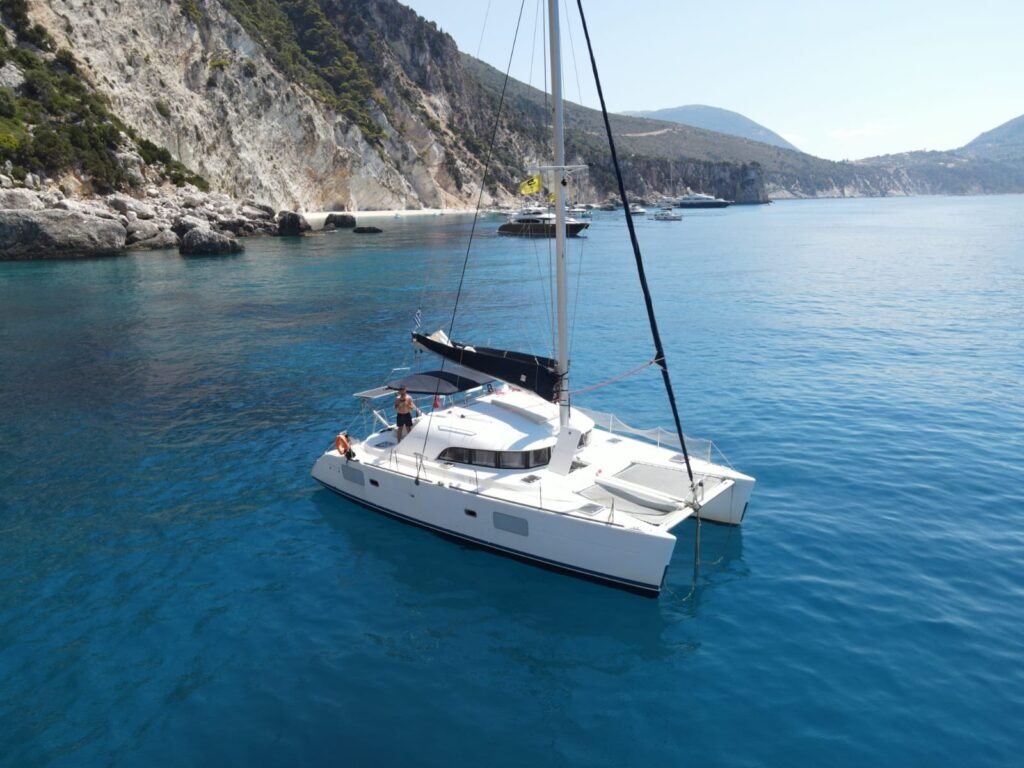
Multi-day yacht charters represent another compelling combination: arrange a private sailing experience departing Chania or Rethymno, anchoring in protected bays away from summer tourism crowds, spending days exploring the Cretan coastline at a leisurely pace. Private yacht charter in Crete during December costs €800–1,200 daily (versus €1,500–2,000 in summer) and includes professional crews, gourmet provisioning, and the profound tranquillity of winter Mediterranean sailing. Combine a 3-day yacht journey with 7 days of land-based exploration to experience Crete’s full diversity—coastal contemplation alongside mountain immersion.
Local Restaurants & Dining Experiences for the Holiday Season
Authentic Christmas dining in Crete differs fundamentally from Mediterranean summer tourism. Rather than seaside tavernas serving international fusion cuisine, winter restaurants focus on regional specialities, slow-cooked family recipes, and communal atmosphere. In Chania, Tamam (Zambeliou 49, Old Town; €20–35 per person) serves traditional Cretan fare in intimate stone rooms; request their Christmas menu (€40 per person) featuring slow-roasted lamb, homemade pasta, and seasonal vegetables. Rethymno’s Avli (Xanthoudidou 22; €25–40 per person) offers similar authenticity with a focus on local wine pairings—the proprietor, Mihalis, personally recommends Cretan varietals and can arrange tastings with nearby producers (€80–120 per person including food pairings).
For New Year’s Eve celebrations, book Stella’s Kitchen in Plakias (€50–70 per person, minimum 2-course) or To Stathmo in Rethymno (€45–65 per person) at least one week ahead. Both serve multi-course traditional menus featuring lamb, fresh fish, and seasonal produce, with live traditional music starting around 10 pm. The atmosphere emphasises community rather than chaos—families celebrating together, locals welcoming visitors genuinely, moderate wine and ouzo consumption rather than excessive drinking. These venues book only 30–50 guests nightly, creating intimate experiences impossible in summer’s overcrowded tourist restaurants.
For casual lunches during holiday exploration, visit traditional kafenia (coffee houses) in village squares—tiny establishments where locals gather for coffee, ouzo, and conversation. Order meze (€8–15 per person) including saganaki (fried cheese), dolmades (vine leaves), and local olives. These venues remain open year-round, often serving family members behind counters who’ve worked there for decades. You’ll eat alongside builders, farmers, and pensioners—genuine village life rather than curated tourism experiences. Prices remain remarkably low (€12–18 per person for lunch with wine), and proprietors often treat visitors as adopted community members, offering complimentary desserts or introducing you to other patrons.
Cooking classes during December create memorable communal experiences: arrange through Chania-based Culinary School of Crete (€140 per person, morning sessions, includes lunch) or private chefs (€200–400 per person including market visits and meal preparation). You’ll learn to prepare traditional dishes like pastitsada (beef in wine sauce), horta (boiled greens), and kourabiedes from local cooks who learned from their mothers. The class culminates in shared meals where you eat your prepared food with instructors and fellow students—an intimate cultural exchange impossible in formal restaurant settings.
Insider Secrets & Lesser-Known Cretan Christmas Experiences
Few visitors know about the Byzantine churches scattered throughout Crete’s interior—Stone structures dating to the 12th–15th centuries, many containing original frescoes depicting Orthodox traditions. Panagia Kera (20 km south of Agios Nikolaos) features stunning restored frescoes; the priest, Father Georgios, welcomes visitors and explains the artistic and spiritual significance. Visiting these churches during December’s quiet season creates profoundly different experiences than summer’s crowded archaeological sites—you’re engaging with living religious spaces rather than museum artifacts. Many churches request modest donations (€2–5) and may offer blessed oil or candles as reciprocal gifts. Arrange visits through guides or accommodation concierges who can introduce you respectfully.
The Samaria Gorge transforms into a meditative experience in December: fewer than 100 daily visitors (versus 2,000+ in summer) navigate the 16 km limestone canyon. The walk requires moderate fitness but rewards with silence, ecological diversity, and moments of profound peace impossible during peak season. Arrange logistics through your hotel or hire a guide (€70–100 per person) who manages transport to trailheads, timing, and safety considerations. The Omalos Plateau at 1,200m elevation—the gorge’s starting point—offers remarkable views across Crete’s interior; December’s clear winter light illuminates the landscape with startling clarity.
Few tourists venture to southern coastal villages during December, yet places like Agia Roumeli, Hora Sfakion, and Loutro offer extraordinary serenity. Agia Roumeli (accessible only by boat or 4-hour hiking) remains a functioning fishing village with minimal tourism infrastructure—a handful of tavernas, several guesthouses, and genuine local life. Winter boat connections operate but with reduced frequency (check ferries 2 days before travel). Staying here for 2–3 days provides the experience of living like a Cretan villager—morning coffee in the central square, afternoon walks along quiet beaches, evening meals at family tavernas where proprietors cook what local fishermen caught that morning.
Less publicised cultural experiences include attending traditional music performances at venues like Odos Odeon in Rethymno (€20–30 entry, performances Thursday–Sunday evenings, 9–11 pm). Local musicians—often elderly men who’ve performed together for decades—play bouzouki and lyra (traditional Cretan stringed instruments), singing both sorrowful rebetiko ballads and joyful celebratory pieces. The audience typically comprises locals, intellectuals, and culturally-engaged visitors; you’ll sit in intimate rooms, drinking wine and ouzo, surrounded by the island’s living musical tradition. These performances end late (after 11 pm), making attendance feel like joining an insider secret rather than consuming a packaged tourist experience.
Closing Advice & Next Steps for Planning
Planning a Crete Christmas or New Year holiday requires decisions 3–4 months beforehand: accommodation booking, flight reservation, particular experiences reservation (private guides, cooking classes, yacht charters, upscale restaurant tables). Contact your accommodation by October to discuss Christmas dining arrangements, special celebrations, and local recommendations. Request to speak directly with proprietors rather than booking platforms; family-run establishments often provide complimentary services, local connections, and insider knowledge unavailable through standard channels. Verify that facilities like restaurants, activities, and attractions remain open throughout your specific travel dates—whilst infrastructure generally operates year-round, occasional closures occur during 24–26 December or for brief redecorating periods.
Begin researching private guides, tour operators, and activity providers in September to secure preferred dates and access pre-holiday booking discounts. Specify your holiday interests clearly—whether you prefer festive celebration, quiet contemplation, adventure activities, or cultural immersion—so operators can recommend tailored experiences rather than generic itineraries. Request references from previous Christmas travellers; establishments accommodating holiday visitors successfully maintain documented feedback from guests with similar interests.
Pack strategically: reserve suitcase space for approximately 25% more clothing than summer packing guides suggest, include waterproof layers, and bring comfort items that will transform rainy evenings (books, audiobooks, journals, travel games). Medical considerations include carrying sufficient prescribed medications for your full stay (December pharmacies have reduced hours), basic first-aid supplies, and travel insurance specifying coverage for medical emergencies on Greek islands. Arrange travel insurance by early October; policies including cancellation protection cost roughly 5–8% of total trip value and provide peace of mind during months-long planning periods.
Planning a private trip to Crete? 105 Olives Greece designs tailor-made luxury experiences. Explore more Crete travel guides →
