
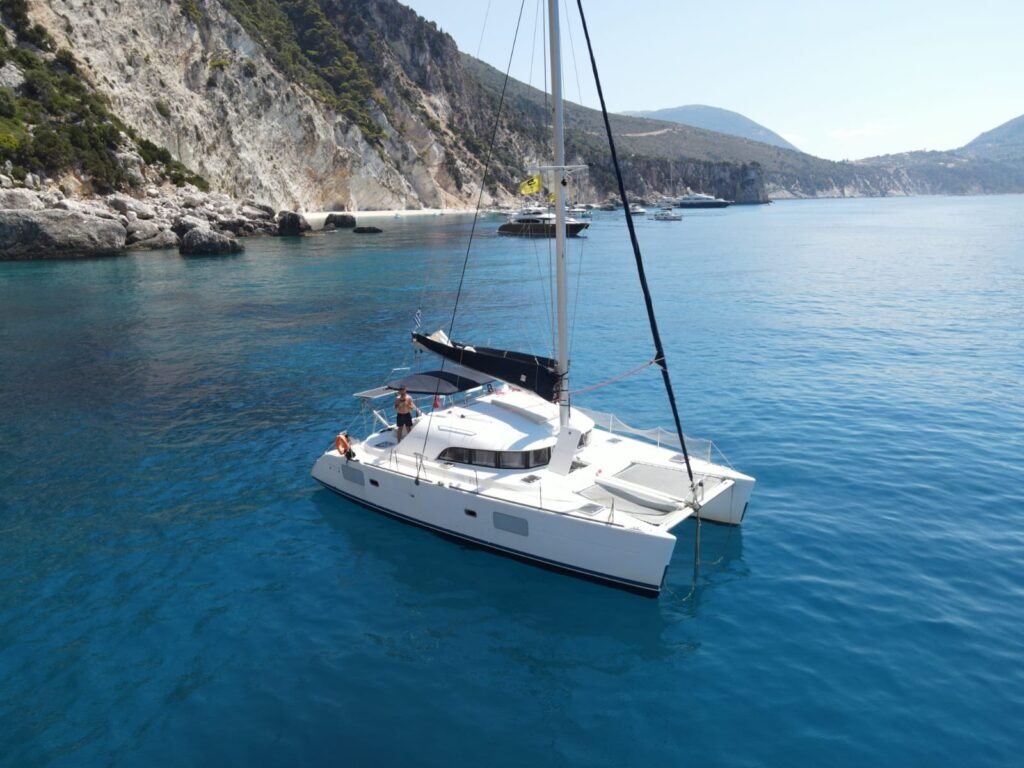
Crete travel costs are refreshingly reasonable compared to other Mediterranean destinations, with daily budgets ranging from €60 for backpackers to €300+ for luxury travellers. A family of four can enjoy taverna meals, beachside drinks, and archaeological exploration for roughly half what you’d spend in Santorini or Athens—yet the quality of experiences remains world-class. Understanding the true cost of Crete, from taverna prices in Chania to boat rental on the Libyan Sea, helps you maximise your euros and discover the island’s best-kept-secret villages without financial surprises.
Want a quick answer? Message us on WhatsApp or fill in our trip-planning form — we reply the same day.
Why Crete Offers Exceptional Value in the Greek Islands
Crete’s reputation for value stems not from cutting corners, but from genuine affordability built into the island’s economy. Unlike Mykonos (65 km north across the Aegean) or Santorini (110 km south), Crete benefits from being Greece’s largest island with thriving local agriculture, fishing, and year-round tourism that keeps supply chains efficient and prices competitive. Tavernas in Rethymno’s old town still serve €12–16 mains—fresh fish, slow-cooked stews, creamy saganaki—without the artificial markup you’ll encounter on smaller, more tourism-saturated islands. The island’s diverse regions—from the Cretan coastline to the White Mountains (Lefka Ori) stretching 50 km inland—mean accommodation clusters around working villages, not just resort enclaves, preserving authentic pricing and character.
What truly distinguishes Crete from costlier alternatives is the depth of experience available at modest cost. A private tour of Knossos Palace (25 km south of Heraklion) costs €80–150 per person, but you’re walking through Europe’s oldest civilisation, not just snapping photos. A sunset taverna meal in Plakias (90 km southwest of Rethymno) costs €18–28 per head, yet includes wine from local vineyards, mezze prepared that morning by the owner’s mother, and views across the Libyan Sea that rival any postcard. This convergence of authenticity and affordability makes Crete magnetic for travellers seeking genuine connection without London or Paris-level expenditure.
Seasonality profoundly affects Crete’s daily costs, and understanding this rhythm is essential. Summer (June–September) sees peak pricing: hotels rise 30–50%, tavernas add 10–20%, and car rentals climb to €50–70 per day. Shoulder seasons—April to May and September to October—offer the sweet spot: weather remains warm (24–28°C), prices drop 20–30%, and crowds thin significantly. Winter (November–March) transforms the island entirely: accommodation falls to €50–80 per night, taverna mains drop to €10–13, and you might share a beachfront restaurant with only locals—though some smaller establishments close for renovation or hibernation.
The island’s layout also influences budgeting. Heraklion (the capital, population 140,000) offers the lowest prices for accommodation and dining because competition is fiercest; a central hotel costs €70–100 per night versus €120–180 in Chania’s charming old town (50 km west). However, Chania’s extra cost often justifies itself through aesthetic gains and proximity to western beaches like Balos Lagoon (65 km northwest). The southern coast—accessed via mountain passes—remains significantly cheaper, with villages like Matala (40 km south of Rethymno) or Loutro (80 km southwest, reachable only by boat or on foot) charging €60–90 for accommodation and €12–18 for meals, whilst offering an escape from package tourism that justifies the journey time.
Daily Accommodation Costs: Where to Sleep for €60–250
Budget Accommodation: €50–90 per night
Budget travellers and backpackers can comfortably base themselves across Crete using family-run hotels, studios, and hostels. A simple double room in Heraklion’s Kantanoleon district costs €55–75 per night; you’ll have Wi-Fi, air conditioning, and a modest ensuite bathroom, but décor leans functional rather than aesthetic. Hostels in Chania (Kastelli neighbourhood) charge €25–35 for a dorm bed, €60–80 for a private room, attracting a mix of solo travellers and young couples. The trade-off: shared kitchens, social atmospheres, and proximity to backpacker bars rather than traditional village tavernas. In lower-profile villages—Malia (30 km east of Heraklion) or Tympaki (55 km south of Rethymno)—you’ll find family hotels at €50–65 per night with friendly owners who remember your name and suggest fishing village dinners you won’t find on TripAdvisor.
Mid-Range Accommodation: €100–180 per night
Mid-range travellers occupy Crete’s sweet spot: locally owned, characterful properties with modern amenities. A boutique hotel in Rethymno’s Venetian harbour (coordinates: 35.3695° N, 24.4734° E) costs €110–160 per night and typically features stone walls, traditional furnishings, a rooftop with sea views, and a breakfast of local honey, cheese, and orange juice. Chania’s Nea Chora district (a quieter alternative to the crowded old town) offers similar pricing for converted Venetian mansions now operating as small hotels. These properties rarely have swimming pools or concierge desks, but they offer authenticity: you’ll eat breakfast on a vine-shaded terrace overlooking fishing boats, meet the owner who has lived there for forty years, and receive genuine recommendations rather than generic suggestions. Business travel websites and direct bookings often yield discounts of 15–25% compared to OTA prices.
Luxury Accommodation: €200–350+ per night
Luxury stays range from five-star resort complexes to exclusive private villas. The Stella Island Luxury Resort & Spa near Heraklion costs €250–350 per night for beachfront suites with private pools and spa access; Elounda’s ultra-premium properties (60 km east of Heraklion, overlooking Spinalonga Island) charge €300–500 nightly. Private villa rentals through premium agencies cost €400–800 per night for 4–6 bedroom properties with infinity pools, sea views, and private beaches. These aren’t mere rooms; they’re immersive experiences. A luxury villa in Plakias includes a private chef arrangement (€100–150 per meal), access to exclusive dive sites, and concierge connection to helicopter tours or private boat charters. Even within luxury, however, Crete remains 30–40% cheaper than equivalent properties in Mykonos or the Amalfi Coast.
Booking strategy matters significantly. Direct contact with small hotels often yields 10–20% discounts compared to Booking.com or Agoda rates, particularly for stays over three nights. Many family-run properties offer loyalty discounts or negotiate rates during shoulder seasons. Use Google Maps to find unlisted guesthouses in villages like Spili (50 km inland from Rethymno), where you might discover €75 per night stone cottages with fireplaces and mountain views that never appear on mainstream booking sites. Avoid booking directly through resort websites during peak season; third-party platforms often have exclusive deals that direct booking cannot match.
Meals, Drinks & Dining: What to Budget for Food
Dining in Crete offers extraordinary range depending on where and how you eat. A traditional taverna meal in a working-class neighbourhood costs €13–22 per person: grilled fish or lamb, village salad, bread, and water or wine. The Iakinthi taverna in Rethymno’s old town charges €15 for a generous plate of pastitsada (Cretan beef stew); the family has run the kitchen for three generations, and regulars occupy the same tables every Thursday evening. Chania’s waterfront restaurants, by contrast, charge €28–45 for similar dishes with harbour views and English-language menus—you’re paying for location and presentation, not ingredient quality. Street food and casual snacks cost €4–8: a Greek salad sandwich (horta wrap), souvlaki, loukoumades (honey puffs), or a portion of feta and olives from a delicatessen.
Breakfast habits significantly impact daily spend. If you stay in accommodation with included breakfast (common at €10–15 extra), you’ll consume bread, honey, cheese, yoghurt, and fruit for roughly €5–8 per person. Café breakfast elsewhere costs €8–14: a cappuccino (€2.50), Greek pastry such as a spinach pie (€3), and fresh juice (€4). Lunch options range from €12–25: a souvlaki plate with chips and tzatziki, or a hearty portion of pastitsio. Dinner is where choices diverge most. Budget diners eat taverna mains (€14–18) around 9:30 p.m., joining locals in the traditional Greek dining rhythm. Mid-range travellers explore named-chef restaurants in Chania or Heraklion (€25–40 per main), while luxury diners access private dining experiences through Crete private tours that include chef-prepared meals in traditional villages or beachfront settings (€60–120 per person for multi-course, wine-paired dinners).
Wine and drinks carry different pricing layers. A glass of local Cretan wine in a taverna costs €3–5; a bottle of quality regional wine (from producers like Lyrarakis or Boutari) costs €15–30 in shops, €25–45 in restaurants. Ouzo or raki (the local firewater) is dirt-cheap—€2–4 per glass—and often arrives complimentary after meals as a digestif. Coffee culture is strong: Greek coffee costs €2–3, cappuccino €2.80–3.50, cold frappe €3–4. Soft drinks and bottled water cost €2–3.50. Beer (Mythos or Alfa brands) costs €3–5 per bottle in tavernas, €1.50–2.50 in supermarkets. Daily drink budget ranges €10–20 if you indulge moderately in taverna evenings, or €4–8 if you stick to water, one coffee, and occasional wine.
Grocery shopping for self-catering slashes meal costs by 40–50%. A large supermarket like Sklavenitis or Carrefour in Heraklion charges €4–6 for a rotisserie chicken, €2–3 for feta cheese, €3–4 for a kilogram of tomatoes, €1.50 for bread. A self-prepared dinner for two costs €10–15 versus €35–50 in a restaurant. Weekly shop for a family (groceries only, no alcohol): €80–120 allows comfortable eating with daily taverna dinners mixed in. Markets in Chania (old town) or Heraklion’s municipal market (Venizelou) offer cheaper produce: €1–1.50 per kilogram for vegetables, €8–12 per kilogram for fish, €6–10 for a kilogram of olives. Shopping at markets rather than supermarkets saves 20–30% and supports local producers directly.
Transportation, Activities & Entertainment Costs
| Transport / Activity | Cost per person / per day | Notes |
|---|---|---|
| Car rental (mid-range vehicle) | €35–55/day | Summer €50–70; winter €30–40. International driving permit required. Petrol ~€1.80/litre. |
| Public bus (KTEL) single journey | €3–8 | Heraklion–Chania €8; local routes €2–4. Weekly pass €30–40. |
| Taxi journey (avg 10 km) | €15–25 | Heraklion airport to city centre €20–30. Uber unavailable; taxis mandatory. |
| Guided cave / archaeological tour | €45–85/person | Samaria Gorge hike €50–70; Knossos Palace guided tour €80–150. |
| Beach boat trip (half-day) | €35–60/person | Balos Lagoon boat €45; Spinalonga Island tour €50. Lunch not included. |
| Museum entry fees | €8–15/person | Heraklion Archaeological Museum €15; Rethymno museums €6–8. |
| Private driver / vehicle hire | €80–150/day | Includes driving and local knowledge. 8-hour minimum typically. |
| Water sports (kayaking, snorkelling) | €40–75/person | Equipment rental; guided tours €50–80. Multiple activities discount available. |
| Private beach lunch / taverna excursion | €400–800/group (4–6 pax) | Includes transport, meal, drinks, and local guide. Premium arrangement. |
Car rental is the most economical transport method for groups and independent explorers. A Renault Clio or Hyundai i10 costs €35–45 daily during shoulder season, €50–70 in summer, €30–40 in winter. Petrol costs approximately €1.75–1.85 per litre; driving from Heraklion to Chania (50 km) consumes roughly €6–8 worth of fuel. Return journeys to archaeological sites or southern beaches are efficient if split among three or more travellers. However, Crete’s narrow mountain roads demand careful, patient driving; speed limits are often posted but sporadically enforced, and hairpin curves near villages demand low gears. Parking in Chania’s old town is notoriously difficult; dedicated car parks charge €2–3 per hour or €15–20 daily.
Public transport via KTEL buses offers sociable, affordable alternatives. A single journey from Heraklion to Rethymno (80 km, 2 hours) costs €8; Heraklion to Chania (140 km, 2.5–3 hours) costs €8–10. Routes operate regularly but not frequently on minor roads; consulting timetables beforehand is essential. Weekly passes across major routes cost €30–40. Buses are clean, air-conditioned, and staffed by personable drivers who often share local knowledge or point out notable landmarks. For single journeys or infrequent travel, buses are economical; for flexible, spontaneous exploration, car rental justifies its cost.
Activities and entertainment costs climb quickly if you pursue every organised experience. A full-day guided hike of Samaria Gorge (16 km, 5–7 hours) costs €50–80 per person, usually including transport to the trailhead (40 km south of Chania) and shuttle back to Chania’s port. Boat tours to Spinalonga Island and the Blue Grotto near Elounda cost €45–65 per person (3–4 hours), often with lunch available for €12–18 additional. Private archaeological tours of Knossos Palace or Phaistos Palace cost €80–150 per person for 2–3 hour guided experiences. Budget €50–100 daily for activities if you’re undertaking something each day; active travellers visiting three sites weekly spend €150–300 per week on entry fees and guide services.
When to Visit: Seasonal Cost Variations & 2026 Pricing
Crete’s seasonality creates dramatic price swings. Summer (June–August) is peak season: accommodation rises 30–50% above shoulder-season rates, tavernas charge 10–20% premiums, car rentals exceed €60 daily, and beaches face severe crowding (Balos Lagoon and Red Beach in Matala can attract 2,000–3,000 daily visitors). Expect to spend €150–200 daily per person for modest comfort including lodging, meals, and one activity. Conversely, Easter through May and September through October offer optimal value: temperatures remain warm (23–28°C), accommodation drops 20–30%, restaurants thrive with local custom whilst maintaining lower margins, and archaeological sites are pleasantly populated rather than heaving. Daily spend for mid-range travel falls to €110–150 per person. Winter (November–March) strips away crowds entirely: many tourist facilities close (particularly on the south coast), but for those seeking solitude and working village life, costs plummet to €60–100 daily. Rainfall is moderate in most regions (though Chania receives 66 cm annually compared to Heraklion’s 45 cm); coastal areas remain mild (12–16°C), whilst inland mountain villages can dip below 5°C.
2026 pricing projections based on 5-year trends suggest modest increases of 5–8% from 2025 levels. Budget accommodation will likely range €55–85 per night; mid-range €115–195; luxury €220–380. Taverna mains may rise to €15–20 for budget options, €28–50 for mid-range establishments. Petrol prices historically fluctuate with global crude oil; current projections suggest €1.80–2.00 per litre is reasonable planning assumption. Activity costs may increase 5–10% as demand grows: guided tours rising to €90–160 for full-day experiences. These projections assume stable economic conditions in Greece and the broader Eurozone; unforeseen global events can shift these figures. Booking accommodation 6–8 weeks in advance typically yields better rates than last-minute booking, particularly in shoulder seasons when operators offer promotional discounts to secure occupancy.
Booking timing strategies vary seasonally. For summer travel (June–August), book accommodation no later than March to access inventory at lower pre-season rates; April bookings often see surcharges. Shoulder seasons (April–May, September–October) allow more flexibility; bookings 3–4 weeks in advance usually secure 10–15% discounts. Winter bookings can be made 2–3 weeks ahead, as last-minute cancellations often trigger steep discounts from accommodation seeking occupancy. Easter holiday (early April in 2026) sees Greek domestic tourism surge; prices rise 20–30% for the Easter week itself. Booking directly with smaller properties rather than OTAs typically saves 10–20% and often includes upgrades or complimentary services (late checkout, welcome drinks, activity recommendations).
Travel insurance costs €15–35 for a week, €30–60 for two weeks, depending on age, coverage level, and pre-existing medical conditions. Winter travel (November–March) sometimes incurs slightly higher premiums due to weather-related cancellation risks. Comprehensive policies covering emergency medical (essential if you’re hiking or water-sporting), trip cancellation, and baggage loss are highly recommended for Crete travel. Purchasing insurance within seven days of booking your initial trip component often ensures the best rates and broadest coverage. For travellers over 60, premiums rise 10–20%; for adventure activities like canyoning or cave diving, specialised policies cost €40–80 per week.
Airport Transfers & Getting Around Crete
Nikos Kazantzakis International Airport in Heraklion (35 km east of the city centre, 100 km from Chania) is Crete’s primary entry point, handling 25+ million annual passengers. Taxi transfers from airport to Heraklion centre cost €25–35; to Chania (90 minutes by road through mountain passes) cost €100–140. Private airport transfers through specialist companies cost €55–80 for a single passenger, €70–100 for two, scaling down per person for larger groups. These include driver with name board, fixed pricing (no metering), and flexibility for slight delays. Budget airlines like Ryanair and EasyJet fly to Heraklion from Northern Europe; legacy carriers like Lufthansa and Air France offer connecting flights. Flight times from London are 4–4.5 hours direct; from Paris, 3–3.5 hours. Most affordable bookings cluster 6–8 weeks pre-departure, particularly for spring (April–May) travel.
Public buses operate extensively across Crete via KTEL (Κρητικές Ταξιαρχίες) network. Heraklion airport has direct KTEL service (€6–8, 45–60 minutes) to Chania, Rethymno, and Heraklion city. Routes connect all significant towns and many villages; schedules are available at ktel.org. For independent travellers avoiding car rental, public transport provides economical access to main attractions, though scheduling requires advance planning and permits limited spontaneity. Groups of 3+ typically find car rental (€35–55 daily shared across passengers) cheaper than combined taxi and public transport costs.
Chania airport (15 km southwest of the city) is smaller, handling 7–8 million annually and primarily serving charter flights from Northern Europe and domestic services from Athens. A few direct international flights operate seasonally. Transfers to Chania centre cost €20–25 by taxi, €35–45 by private transfer. Ferry services between Heraklion and Rethymno (15 km, 1 hour by express ferry; €8–12 per person) and between Heraklion and Chania via Rethymno (irregular schedules; €12–18) offer scenic alternatives to bus or car travel, though they’re less frequent and less flexible than land transport. Coastal ferries to islands like Spinalonga (€8–12 return), Chrysi, and Gavdos operate seasonally; these are recreational rather than transport-focused journeys.
Hiring a private driver or booking private airport transfers in Crete eliminates transport stress on arrival. For groups of 4–6, a private minibus with driver (€80–120 daily or €100–150 for airport–hotel transfers) provides flexibility, comfort, and local knowledge unavailable via public transit. Drivers can route you through villages, stop at viewpoints, and recommend lunch spots—factors that enhance the arrival experience beyond mere transportation. Many private transfer companies bundle services with tour bookings or can arrange multi-day itineraries, making them economical for trips exceeding 3–4 days.
💬 Chat on WhatsApp — Plan Your Trip
Frequently Asked Questions
Is Crete cheaper than Santorini or Mykonos?
Yes, substantially. Accommodation costs 20–40% less, taverna meals 15–25% less, and activities 10–20% less in Crete compared to Mykonos or Santorini. A mid-range daily budget in Crete is €120–160; equivalent comfort in Mykonos costs €180–250. Crete’s larger size, diverse economy, and less tourism-saturated character allow lower markups across all spending categories.
What is a realistic daily budget for Crete?
Budget backpacker: €50–80 daily (hostel, street food, free beaches, minimal activities). Mid-range comfort: €120–180 daily (modest hotel, taverna meals, one paid activity). Luxury/splurge: €250–400+ daily (private accommodation, fine dining, exclusive experiences). Families often find €150–200 per person reasonable, allowing comfortable lodging, restaurant meals, and 2–3 activities weekly.
Should I book accommodation through online platforms or directly?
Direct booking with property owners typically yields 10–20% discounts and more flexible terms (late checkout, meal arrangements, local advice). Email small hotels or guesthouses directly; many actively discount to avoid OTA commissions (typically 15–25%). For brand-chain hotels, OTAs sometimes offer flash deals unavailable directly. Compare both before finalising, particularly for stays over three nights.
What is the tipping custom in Crete?
Service charges are not included in Crete. For taverna meals, leaving 5–10% is customary if service pleased you; €1–2 per person is acceptable for simple meals. Taxis don’t expect tips but appreciate small rounding (€1–2). Tour guides and drivers typically receive €5–10 per person if service exceeded expectations; this is discretionary, not obligatory. Hotel staff appreciate €2–5 per night for housekeeping if you’re satisfied.
Are there hidden costs or surprises in Crete?
Costs are generally transparent. Watch for: car rental agencies adding insurance surcharges (€8–15 daily) not itemised upfront; beach tavernas occasionally charging per sunbed (€3–5 daily, though usually complimentary if eating/drinking); tourist shop markups on souvenirs (20–40% above market value). Booking directly with restaurants or activities rather than through hotel concierge avoids 10–15% commissions. Use Google Maps and local advice to find authentic establishments versus tourist traps.
Insider Tips: Maximising Value & Experiencing Authentic Crete
Seek out village tavernas frequented by locals rather than waterfront establishments targeting tourists. In the small town of Spili (50 km inland from Rethymno, coordinates 35.2436° N, 24.7641° E), the To Kaliteri taverna charges €12–16 for mains and welcomes patrons to choose dishes directly from the kitchen—a practice revealing owner confidence in food quality. Villagers eat here nightly; the ouzo flows freely; prices haven’t changed significantly in five years. By contrast, Chania’s waterfront restaurants facing the Venetian harbour charge €30–45 for identical dishes presented with greater fanfare. The value differential isn’t about ingredient quality—both use Cretan lamb and local produce—but rather overhead, tourism markups, and perceived prestige. Eating where locals eat consistently saves 30–40% whilst vastly enhancing cultural immersion.
Purchase groceries at municipal markets rather than supermarkets to support local producers and reduce costs 20–30%. Chania’s central market (Agora; open Monday–Saturday 8 a.m.–2 p.m.) occupies a stunning covered arcade near the old town where vendors sell produce, cheese, herbs, and honey directly. A kilogram of cherry tomatoes costs €1.20 versus €2.50 in supermarkets; local feta costs €5.50 per kilogram versus €7.50 in chains. For travellers with kitchen access, daily market shopping yields fresh, cheap meals. The cultural dividend—observing Greeks selecting vegetables with scrutinising care, chatting with vendors about seasonal peaks—enriches the Crete experience beyond financial savings.
Avoid peak-season travel (July–August) if budget is a constraint. A September visit offers identical weather (25–28°C), superior value (accommodation 20–30% cheaper), and authentic village life rather than tourism theatrics. Schools are in session; locals resume their rhythms; tavernas cook for regulars rather than cruise-ship tours. Hotels offer welcome-back discounts; restaurants remove English menus (a surprisingly reliable indicator of authentic pricing); beaches host families rather than the beer-swilling crowds of summer. The only trade-off: some northern beaches close briefly in early September if maintenance occurs, and a handful of smaller villages shut one or two establishments for annual renovation. Plan around local holidays (Easter, 15 August Assumption Day, late October Ochi Day) when Greeks travel domestically and accommodation premiums spike.
Use public transport for journeys between main towns, and reserve car rental for rural exploration. A KTEL bus journey from Heraklion to Chania costs €8–10 and includes comfortable seating, air conditioning, and windows offering views of Cretan countryside. A taxi for the same journey costs €120–150. Reserve the car for day trips to Samaria Gorge, villages in the White Mountains, or southern coast beaches (Plakias, Matala, Loutro) where public transit is unreliable or non-existent. This balanced approach costs roughly €80–120 weekly (€25–35 for bus journeys, €50–80 for 2–3 days car rental) versus €200+ for daily car rental or €300+ for taxis, whilst preserving flexibility and spontaneity.
Realistic Daily Budgets: Sample Itineraries & Spend Profiles
A budget backpacker sleeping in hostels, eating street food and taverna mains, and visiting free/cheap attractions (villages, beaches, hiking) spends roughly €60–80 daily. Accommodation €25–35, meals (breakfast €3–5, lunch €8–12, dinner €12–16, drinks €4–6) €27–39, activities (hiking free, museum €8–15, one activity per week €10–15 daily average) €10–15. Total: €62–89. This traveller experiences authentic Crete fully—village tavernas, local hospitality, archaeological sites—with minimal financial stress.
A mid-range couple or small family prioritising comfort and moderate activity levels spends €140–200 per person daily. Accommodation €100–140, meals (breakfast included or €6–8, lunch €16–22, dinner €22–32, drinks €6–10) €50–72, activities (1–2 per week) €12–20 daily average, miscellaneous €8–12. Total: €170–244. This profile reflects typical independent travellers exploring Crete thoroughly, staying in characterful mid-range hotels, eating excellent food without luxury restaurants, and combining active experiences (boat trips, guided hikes) with leisure (beach days, village wandering).
A luxury traveller or couple seeking premium experiences spends €280–400+ daily. Accommodation €200–300, meals (fine-dining restaurants, private chef arrangements, premium wines) €80–120, private activities (exclusive boat charters, private guides, premium accommodations at remote beaches via multi-day tours from Crete) €60–100, transfers and miscellaneous €20–30. Total: €360–550. This traveller accesses Crete’s highest experiences—beachfront villas with private pools, Michelin-quality dining in Chania, private yacht charters to Spinalonga—whilst still enjoying substantially better value than equivalent luxury on Mykonos or the Amalfi Coast.
Complete 2026 Cost Breakdown Table
| Budget Category | Budget (€) | Mid-Range (€) | Luxury (€) | Notes & Tips |
|---|---|---|---|---|
| Accommodation (per night) | €55–80 | €120–160 | €250–350 | Budget: hostels or basic family hotels. Mid-range: boutique hotels, characterful properties. Luxury: resort complexes or private villas. |
| Breakfast | €3–6 | €6–12 | €12–20 | Budget: street pastry or café. Mid-range: café breakfast or included. Luxury: private breakfast arrangements. |
| Lunch | €8–14 | €16–25 | €30–50 | Budget: souvlaki or simple taverna. Mid-range: taverna mains with salad. Luxury: seaside restaurants or private picnics. |
| Dinner | €12–18 | €24–35 | €60–100 | Budget: traditional taverna, 9 p.m. start. Mid-range: charming restaurant, wine. Luxury: fine dining, multi-course. |
| Drinks & Snacks | €4–8 | €8–15 | €15–30 | Budget: water, one coffee, occasional beer. Mid-range: daily coffee, wine, soft drinks. Luxury: premium wines, cocktails. |
| Transport (daily avg) | €5–12 | €15–30 | €40–80 | Budget: public buses. Mid-range: car rental shared. Luxury: private driver or transfers. |
| Activities & Entertainment | €10–20 | €30–50 | €80–150 | Budget: 2–3 paid activities per week, mostly free exploration. Mid-range: 1 activity daily on average. Luxury: private tours, exclusive experiences. |
| Miscellaneous (souvenirs, tips, insurance) | €8–15 | €15–25 | €25–50 | 5–10% gratuity at restaurants. Small souvenir purchases. Emergency margin. |
| DAILY TOTAL (per person) | €60–93 | €134–202 | €292–430 | 7-night stay totals: Budget €420–650; Mid-range €940–1,414; Luxury €2,044–3,010. |
Combining Crete with Other Greek Islands & Multi-Island Journeys
Crete’s position as the largest Greek island makes it an ideal base for multi-island explorations. A day trip from Heraklion to Mykonos via ferry (90 minutes; €28–45 return) permits exploring the island’s beaches and nightlife without overnight accommodation markups—though Mykonos itself remains expensive (€35–60 mains, €180+ accommodation). Alternatively, Santorini day trips from Crete operate via morning ferries departing Heraklion (2–2.5 hours; €35–50 return), allowing exploration of Oia’s sunset views, caldera cliffs, and Akrotiri archaeological site without the eye-watering accommodation costs of staying overnight (€250–400 nightly in Santorini versus €120–160 in Chania). Day-tripping from Crete saves 40–60% compared to basing yourself on smaller islands, whilst preserving authentic village experiences between island adventures.
Multi-day tours combining Crete with surrounding regions offer excellent value for comprehensive Greek experiences. A Athens day trip from Crete pairs a morning flight from Heraklion (1 hour; €60–100 return) with guided exploration of the Acropolis, Parthenon, and National Archaeological Museum (€30–80 guided tours). Alternatively, 3–4 day packages combining Crete’s Minoan sites, Santorini’s sunsets, and Athens’ classical antiquities cost €800–1,200 per person including all transport, entry fees, and guided tours—considerably cheaper than booking each leg independently and avoiding logistical complexity. Private tour companies increasingly structure these as seamless itineraries, handling transport, accommodation switching, and activity booking.
Yacht-based exploration pairs Crete with nearby islands economically. A 5-day private sailing charter combining Crete (Plakias, Loutro bases), nearby islands like Gavdos and Chrysi, and morning swims in isolated coves costs €1,500–2,500 per person including vessel, skipper, and meals—exceeding daily land-based budgets but delivering unparalleled flexibility and seclusion. Private yacht charter in Crete appeals to groups of 4–8 seeking adventure without the regimentation of large cruises. Alternatively, hopping ferries between Crete, Rhodes, and Kos (longer routes; €35–60; 8–12 hours) suits budget travellers prioritising island variety over convenience, though journey times limit this option to leisurely itineraries with time flexibility.
Seasonal package deals combining Crete with Crete honeymoon packages or cultural experiences (cooking classes, wine tastings, olive-oil production tours) blend landscape, gastronomy, and adventure into single bookings. These range €2,000–5,000 per couple for 7–10 days including accommodation, meals, activities, and guides—expensive individually but economical compared to piecemeal booking and incorporating otherwise-missed experiences like private cooking instruction in village homes or exclusive winery access.
Tipping Guide & Cultural Etiquette Around Money
Greece’s tipping culture differs from North American conventions but aligns roughly with Western European practices. Service charges are never automatically included in bills; the €2.50–3.00 “cover charge” listed sometimes covers bread and table setting, not staff gratuity. For taverna meals (mains €14–25), leaving 5–10% in cash is standard appreciation; for simple souvlaki purchases or budget meals, €0.50–1.00 is appropriate. At mid-range restaurants (mains €25–40), 10–15% is expected if service pleased you. Tipping cash directly to staff rather than adding to card payments ensures money reaches servers rather than being pooled or potentially retained by management. Rounding up bills to the nearest €5 is also customary: a €28 meal becomes €30.
Taxi drivers don’t expect tips but appreciate rounding to the nearest €5–10. A €23 journey becomes €25; a €47 transfer becomes €50. Tour guides and boat captains typically receive €5–10 per person daily if their service genuinely exceeded expectations; this is discretionary, not obligatory. All-inclusive tour pricing sometimes explicitly includes guide gratuity in fine print, so clarify before assuming additional tipping is required. Hotel housekeeping accepts €2–5 per night if you’re satisfied with cleanliness; leave cash directly on the bed rather than in communal areas.
Restaurant service dynamics differ from Anglo-American customs. Servers don’t rush tables; it’s considered respectful to allow diners time to enjoy meals and conversation. Summoning a waiter with a raised finger and “waiter!” is acceptable; raising one’s voice or snapping is considered rude. Wine service—including opening, pouring, and suggesting pairings—isn’t charged beyond the bottle price; bartenders don’t expect per-drink tipping if you’re ordering multiple rounds, though €0.20–0.50 per drink is appreciated. Haggling in souvenir shops is culturally accepted and expected; opening with 30–40% below asking price and negotiating toward 15–25% discount is normal practice. Markets, particularly fruit or textile vendors, routinely offer discounts for bulk purchases; civility and patience yield better results than aggressive negotiation.
Cretans widely accept card payments in tourism sectors (hotels, restaurants, shops) but cash remains preferred for smaller establishments, markets, and rural tavernas. ATMs are abundant in towns; withdrawing cash in €50–100 denominations minimises transaction fees (typically €2–3 per withdrawal regardless of amount) whilst avoiding excessive cash carrying. Contactless payment systems are increasingly available but not universal. EUR is the currency; exchange rates locked at 1.00 EUR = 1.00 EUR (identical currency). Avoid exchanging money at airport kiosks (poor rates); withdraw directly via ATM using your home bank card, though international fees (typically 1–3% plus per-transaction charges) apply.
Bargaining unwritten rules: never in restaurants or hotels (prices are set); acceptable in markets, souvenir shops, and tourism businesses (guides, boat captains) if negotiating multi-day packages or off-season rates; appreciated when purchasing art or handcrafted goods directly from artisans. Offering 20–30% less than asking price signals genuine interest without offence; counter-offers work toward mutual agreement. Refusing a first price reduction, then accepting a second offer, is theatrically expected and part of Cretan commerce culture.
Hidden Value: Experiences That Seem Expensive But Deliver Exceptional Worth
Guided hiking tours like the Samaria Gorge (€50–80 per person, 5–7 hours) cost more than self-guided exploration but justify expense through logistics, safety expertise, and access to restricted areas. Commercial guides arrange transportation to Xyloskalo trailhead (1,240 m elevation, 40 km south of Chania), carry water caches en route, provide geological and botanical commentary, and arrange return shuttle to Chania’s harbour—eliminating logistical complexity and dangerous heat exposure. Walking unsupported requires two vehicles, Herculean water carrying (3+ litres daily), and navigation risk on poorly marked sections. The €60 per person premium is, factually, excellent value for safety, logistics, and education.
Private archaeological guides (€80–150 for 2–3 hours at Knossos or Phaistos palaces) contextualise Minoan civilization in ways self-guided exploration cannot. A learned guide explains the significance of throne rooms, ritual areas, and storage systems; decodes frescoes and pottery chronologies; and narrates millennia of rebuilding cycles compressed into 4,000 years of habitation. Audio guides (€5–7) provide factual basics; private guides deliver authentic understanding and enthusiasm that transforms passive tourism into genuine intellectual engagement. For history enthusiasts or families with children seeking deeper learning, €120–150 per group (4–6 people) is exceptional value.
Cooking classes in traditional villages (€60–100 per person, 3–4 hours) teach seasonal Cretan cuisine whilst supporting local instructors, typically older women preserving family recipes. Classes include market shopping, ingredient selection education, hands-on preparation, and meals featuring dishes you’ve prepared—creating memorable social experiences beyond mere culinary instruction. Equivalent cooking school experiences in Athens or Mykonos cost €150–200 per person; Crete’s advantage is authentic village settings and genuine grandmother-led instruction rather than hotel-based commercial operations.
Private beach picnics arranged through tour operators (€400–600 for 4–6 people, full day including boat, guide, meal preparation, and beach equipment) seem extravagant until experiencing them: your private boat collects you from Chania or Rethymno, transports you to an inaccessible beach (Glyka Nera near Loutro, accessible only by boat or 2-hour hiking), guides prepare a meal using provisions purchased that morning, and you swim, sunbathe, and dine within sight of Libyan Sea cliffs—utterly removed from tourist infrastructure. Equivalent day experiences in standard beach clubs cost €150–250 per person with compromised privacy and compromised food quality; private arrangements cost €100–150 per person and deliver transformative intimacy with Cretan landscapes.
Final Budget Summary: Planning Your Crete Costs
Allocate your Crete budget across these primary categories: accommodation (40–50% of total spend, largest controllable variable through season and location choice), meals and drinks (25–35%), transport (5–10%), and activities/entertainment (15–20%). For a seven-night trip, budget €420–650 (budget traveller), €940–1,410 (mid-range), or €2,050–3,010 (luxury) per person. These figures assume independent travel; group bookings through tour operators often negotiate better rates on accommodation and activities, reducing per-person costs 15–25%.
Maximise value through timing (visit April–May or September–October for optimal cost-to-experience ratio), location choice (balance Chania’s charm against Heraklion’s affordability; seek villages 30–60 km inland where prices remain 20–30% lower), and activity selection (prioritise experiences unavailable at home—archaeological exploration, village village meals, landscape hiking—over generic beach days or nightlife replicable anywhere). Book accommodation directly with property owners rather than OTAs; eat where locals eat rather than tourism-facing establishments; use public transport between main towns and reserve car rental for rural exploration; and spend generously on experiences (guides, activities, memorable meals) rather than inflating accommodation budgets.
2026 projections suggest modest price increases (5–8% from 2025) across all categories, maintaining Crete’s position as Greece’s most economical island. Book 6–8 weeks in advance for summer travel, 3–4 weeks for shoulder seasons, and 2–3 weeks for winter. Use WhatsApp or direct email for property inquiries; many small hotels respond with 10–20% discount codes to bypass OTA commissions. Insurance, visas, and flights are separate budgets; allocate €1,200–2,000 per person for flights from Northern Europe (booked 6–8 weeks ahead), €25–45 for comprehensive travel insurance, and €0 for visa requirements (EU/US/Australian citizens require no Schengen visa for Greece).
Planning a private trip to Crete? 105 Olives Greece designs tailor-made luxury experiences. Explore more Crete travel guides →
