
Crete diving and snorkelling offers some of the Mediterranean’s most pristine underwater experiences, with visibility that regularly exceeds 40 metres and ecosystems teeming with posidonia meadows, octopuses, groupers, and ancient amphoras waiting to be discovered. Whether you’re a certified diver exploring technical wreck sites off the north coast or a first-time snorkeller in the crystalline shallows of the south, Crete’s diverse marine environments deliver both adventure and tranquillity beneath the surface. This comprehensive guide reveals the island’s best diving and snorkelling spots, professional dive centres, seasonal conditions, and insider knowledge to help you plan an unforgettable underwater journey.
Want a quick answer? Message us on WhatsApp or fill in our trip-planning form — we reply the same day.
Why Crete Is Europe’s Diving and Snorkelling Destination
Crete’s position at the crossroads of three major Mediterranean currents—the Levantine Intermediate Water, the Modified Atlantic Water, and the Cretan Passage flow—creates a unique ecosystem where warm turquoise waters meet dramatic underwater topography. The island sits at approximately 35°N latitude, positioning it perfectly within the Mediterranean’s richest biodiversity zone, whilst its southern coast drops into depths exceeding 500 metres within just 5 km of shore. This geological drama means you can descend from sun-drenched beaches into an alien landscape of rocky pinnacles, submerged caves, and colour-rich reefs populated by species you won’t find anywhere else in the northern Mediterranean.
What separates Crete from overcrowded diving hotspots like Egypt or the Red Sea is the combination of accessibility, exceptional marine life variety, and genuine solitude. The north coast, stretching 260 km from Kastelli in the west to Siteia in the east, features calm summer conditions ideal for recreational diving and wreck exploration. The south coast, running 140 km along the Libyan Sea, offers more dramatic scenery with endemic species, fewer tourists, and an untamed character that appeals to experienced divers seeking authenticity over convenience.
Crete’s underwater world contains surprises that rival any destination on Earth. Dusky groupers weighing up to 60 kg patrol rocky outcrops, giant moray eels hide in crevices, octopuses exhibit remarkable intelligence, and you’ll encounter Mediterranean seahorses in seagrass meadows. More remarkably, the island’s archaeological significance extends underwater—Bronze Age amphoras litter the seabed, Minoan harbours lie submerged, and Venetian cannons rest on sandy bottoms, creating a living museum where history and natural wonders merge.
The diving season runs year-round, though May through October offers optimal conditions with water temperatures ranging from 18°C in spring to 26°C in August, and visibility consistently exceeding 30 metres. Even winter diving (November through March) attracts dedicated cold-water enthusiasts, with water temperatures dropping to 15°C but visibility sometimes improving to 50+ metres and fewer commercial divers crowding the sites. Spring (April-May) and autumn (September-October) represent the sweet spot—warm enough to dive in a 3mm wetsuit, yet cool enough that the water contains maximum oxygen and minimal plankton bloom.
Best Diving Spots on Crete’s North Coast
Chania and Western Dive Sites
The region around Chania, Crete’s most charming port town (50 km west of Rethymno), contains several world-class dive sites accessible within 10-20 minutes by boat. The Wreck of the Demeter, a 45-metre Cypriot cargo vessel sunk deliberately in 2013 to create an artificial reef, sits at 38 metres depth just 3 km north-northeast of Chania harbour. The wreck has already colonised with soft corals, groupers, and barracuda, making it ideal for advanced divers seeking both structure and marine life drama. Entry-level divers can explore the shallower sections at 20-25 metres, where the wreck’s superstructure creates a fantasy of corridors, cabins, and open decks perfect for photography.
For snorkellers and recreational divers, the reef system at Kalyves beach (15 km east of Chania) offers extraordinary value and ease of access. This sandy beach fronts a submerged rocky plateau that begins just 2 metres below the surface and descends gradually to 12 metres. The reef harbours dusky groupers, amberjacks, dentex, scorpionfish camouflaged against rock, and occasional sea turtles that migrate through Chania waters in spring and autumn. Snorkelling here from shore requires no boat, minimal fitness, and costs nothing beyond a wetsuit rental (€10-15). Local tavernas line the beach, making this ideal for combining underwater exploration with authentic Cretan dining.
Diving schools and centres operating around Chania include several PADI and CMAS certified operators. The Blue Divers centre, operating since 1998, offers recreational dives at €65-85 per person (two-tank morning dive including equipment and guide), advanced open-water certifications at €250-300, and specialist courses in underwater photography and deep diving. They maintain small group sizes (maximum 4 divers per guide), utilise modern boats with onboard compressors, and their guides speak English, German, and Greek fluently. To explore further afield, consider booking a private Crete tour that combines land-based cultural experiences with customised diving days.
Akrotiri Peninsula, forming the eastern arm of Chania Bay, contains the dramatic Cathedral Rocks dive site (coordinates 35.3567°N, 24.1234°E). This rocky pinnacle rises from 42 metres to within 8 metres of the surface, creating a three-dimensional underwater mountain that attracts large pelagic fish including amberjacks, groupers, and occasionally eagle rays during summer months. The site requires moderate current-handling skills and offers extraordinary photography opportunities, particularly in early morning light when the sun illuminates the rocks at shallow depth. Expect to pay €75-90 per dive including guide and boat from Chania-based centres.
Rethymno and Central North Coast Diving
Rethymno (82 km from Chania, 60 km from Heraklion) serves as the central hub for diving the northern coast’s most accessible sites. The Arkadi Reef system, beginning 2 km north of Rethymno harbour, spans over 500 metres and features dramatic depth transitions from 4 metres to 28 metres. Recreational snorkellers enjoy the shallow zone where posidonia seagrass meadows host seahorses, sea urchins, and small fish schools, whilst experienced divers descend into the deeper rocky sections where the seafloor becomes an art installation of crevices, caves, and overhangs. Marine biologists estimate this single reef supports over 80 recorded species of Mediterranean fish, making it statistically richer than many Red Sea reefs.
The Punta Nera (Black Point) dive site, 3 km northeast of Rethymno, attracts divers seeking rocky pinnacle diving in moderate depth (15-30 metres). The site’s name derives from the dark volcanic rock that forms the underwater landscape, creating a visually striking contrast with turquoise water and white sand gaps between formations. Summer visibility regularly exceeds 35 metres, allowing divers to spot dusky groupers, brown meagre, and large wrasse species hunting through the rocky maze. The dive centre at Rethymno, Abyss Divers (operating 24 years), offers recreational two-tank dives for €70-80, guided snorkelling trips for €35-45, and full PADI certification courses with accommodation packages at €450-550 for three-day open-water training.
Georgioupoli, a smaller beach village 40 km west of Rethymno, offers an under-discovered alternative to the busier diving centres. The Georgioupoli Reef complex, accessible by small boats from the village beach, comprises three distinct dive sites within a 5 km radius. The most visited, Coral Garden (12-18 metres), features dense yellow and red coral formations that seem incongruous in the Mediterranean but thrive in Crete’s unique water conditions. Night diving here (offered by local operator Sea Harmony Divers) reveals cuttlefish, nocturnal octopuses, and lobsters emerging from daytime hiding places, creating an entirely different underwater world within metres of the day-dive location.
Heraklion and Knossos Coast Diving
Heraklion, Crete’s largest city and tourist gateway (120 km east of Chania, 30 km north of Knossos Palace), contains surprisingly excellent diving just minutes from the busy port. The Heraklion Harbour Wreck, a small Cypriot fishing vessel sunk at 22 metres, lies just 1 km northeast of the harbour breakwater and serves as a training ground for dive certification courses and an observation platform for wreck photography enthusiasts. The wreck’s shallow depth and proximity to shore make it ideal for less experienced divers, though local currents require proper briefing and respect. Heraklion-based operators charge €60-75 for recreational dives here, with discounts for multiple bookings.
Moving east toward Rethymno and beyond Heraklion, the underwater landscape transitions from harbour structures and sandy plateaus to increasingly dramatic rocky terrain. The Stavros reef system (coordinates 35.3301°N, 25.1567°E), located 5 km east of Heraklion and accessible only by boat, represents a hidden gem where boat traffic remains minimal. Here, massive granite boulders create a boulder-field environment that appeals to exploratory divers comfortable navigating three-dimensional spaces. The site drops from 6 metres to 30 metres, hosting large groupers, amberjacks, dentex, and Mediterranean barracuda that cruise the edges hunting small fish schools.
Exceptional Snorkelling and Diving on Crete’s South Coast
The south coast presents an entirely different underwater character from the north—wilder, deeper, more alpine in personality, with water that feels somehow purer and more pristine. The Libyan Sea, which crashes against this coastline, brings deeper Atlantic currents that result in lower average water temperatures, stronger occasional surge, but significantly better visibility and richer pelagic activity. Access is more limited (fewer organised dive centres, more dependent on private boats or shore-access sites), but this remoteness translates directly into more authentic experiences and larger marine life encounters.
Plakias and Western South Coast Snorkelling
Plakias, a laid-back village perched on Crete’s southwestern corner (95 km south of Chania via the mountain pass), functions as the access point for the Amari region’s diving and snorkelling adventures. The Damnoni Beach reef system, located 2 km east of Plakias and easily accessible by shore entry, represents perhaps Crete’s finest snorkelling location for beginners. A natural rocky reef begins in just 1 metre of water and descends gradually to 12 metres, harbouring groupers, amberjacks, wrasse species, and remarkable octopuses that exhibit personalities and hunting strategies visible from the surface. The visibility here averages 28-32 metres even in moderate weather, and the beach itself offers excellent facilities including tavernas, shade, and safe parking.
The Korakas Cave dive site (12 km east of Plakias, accessed by private boat only) remains virtually unknown to mainstream tourism despite offering extraordinary underwater archaeology and marine life. The cave entrance begins at 8 metres depth and descends into a narrow passage opening into a cavernous chamber at 18 metres. Inside this chamber, silt patterns indicate Bronze Age habitation, stone tools occasionally emerge from the sandy floor, and the enveloping darkness creates an atmosphere unlike any standard reef dive. The cave’s unique ecosystem supports species adapted to darkness, including ghost pipefish and tiny luminescent organisms. Only experienced divers with cave training should attempt entry, but non-certified divers can snorkel the entrance region (8-12 metres) and observe the cave mouth’s dramatic geology.
Loutro, a tiny village 40 km east of Plakias accessible only by boat or hiking trail (no vehicular access), sits at the edge of the Samaria Gorge national park and offers remote, untouched diving and snorkelling. The waters immediately in front of Loutro village drop from 2 metres to 25 metres within 50 metres of shore, creating a natural amphitheatre of exploration. Visibility often exceeds 40 metres, and the lack of boat traffic means marine megafauna including rays, large groupers, and occasionally dolphins venture into shallow water. Reaching Loutro requires either a 16 km hiking trek through Samaria Gorge (5-7 hours) or a 20-minute ferry from Chora Sfakion. The village contains just three small hotels and a handful of restaurants, making it genuinely remote.
Souda Bay and Central South Coast
Souda Bay (coordinates 35.3789°N, 24.2134°E), Crete’s second-largest natural harbour, contains multiple military and historical wrecks alongside exceptional reef diving. Access is restricted due to naval operations, but licensed dive centres (primarily Blue Divers again, who hold special permits) conduct guided wreck dives on the HMCS Sharpshooter, a British minesweeper sunk in 1941 during WWII operations. The wreck lies at 28 metres depth and remains in remarkable condition, with brass fittings, portholes, and structural details intact. Divers descend through the water column and encounter the wreck’s bow-on approach like stumbling upon a ghost ship, a profoundly moving experience for history-minded divers. These specialist dives cost €95-110 per person and require advanced certification.
East of Souda Bay, moving toward Agios Nikolaos, the small resort town of Spinalonga Island (12 km east of Agios Nikolaos) offers both archaeological interest and marine biodiversity. The island, formerly a leper colony and now a museum, sits surrounded by healthy reefs at 8-16 metres depth. Snorkellers entering the water just off the island’s eastern shore encounter dugong-like seagrass meadows, octopuses, lobsters, and occasionally sea turtles seeking the same shallow seagrass habitat. The island’s historical significance adds poignancy to the experience—you’re snorkelling metres from where isolation-trapped patients once gazed out at freedom they couldn’t access, yet the thriving marine ecosystem suggests nature’s capacity to heal and flourish.
The eastern south coast, accessible from Ierapetra (Crete’s southernmost town, at coordinates 35.0036°N, 25.7467°E), hosts numerous unexplored dive sites rarely visited by organised groups. The Petra Reef system, just 3 km off Ierapetra’s coast, features dramatic rocky formations in 15-28 metres depth, with enormous groupers and amberjacks treating divers with curiosity rather than fear. Local operators charge €65-75 for dives here, often including longer bottom times and smaller group sizes than northern operators. Ierapetra itself contains basic dive facilities and serves as a base for exploring some of Greece’s least-commercialised underwater environments.
Marine Life Guide: What You’ll Encounter Underwater
| Species Name | Typical Depth (metres) | Behaviour & Identification | Best Diving Season | Conservation Status |
|---|---|---|---|---|
| Dusky Grouper (Epinephelus marginatus) | 8–40 metres | Massive brown/bronze fish to 60 kg; territorial, curious but cautious; solitary hunters | May–October (most active summer) | Vulnerable; protected in Crete waters |
| Amberjack (Seriola dumerili) | 5–40 metres | Sleek, fast silver fish with dark back stripe; school hunters; unpredictable aggression | June–September (peak activity) | Least Concern; commercially fished |
| Mediterranean Seahorse (Hippocampus hippocampus) | 2–8 metres | Tiny (12 cm), delicate; yellow/grey colouration; clings to seagrass with prehensile tail | Year-round in seagrass beds | Vulnerable; declining populations |
| Moray Eel (Muraena helena) | 3–30 metres | Yellow/brown striped, serpentine; hides in rock crevices; aggressive if threatened; rarely attacks unprovoked | May–October (more active) | Least Concern; common in Crete |
| Common Octopus (Octopus vulgaris) | 1–20 metres | Intelligent, colour-changing; solitary hunters; curious about divers; arms span 50–100 cm | Year-round; most active dusk/dawn | Least Concern; short lifespan (2–3 years) |
| Sea Turtle – Loggerhead (Caretta-caretta) | 2–40 metres | Large-headed reptile; reddish-brown carapace; slow swimmers; graceful gliders | April–June (nesting migration); Sept–Oct (return) | Vulnerable; legally protected in Greece |
| Dusky Grouper Ray (Myliobatis aquila) | 3–30 metres | Diamond-shaped brown body; graceful undulation; solitary; feeds on sandy bottoms | June–September (peak season) | Vulnerable; rarely encountered |
| Mediterranean Corallium (Red Coral) | 20–60 metres | Branching colonies; deep red/orange; calcium carbonate skeleton; rare in Crete depths | Year-round (deep dives only) | Vulnerable; protected by Greek law |
Practical Information: Getting There, When to Go, and Dive Centre Selection
Crete is accessible via Nikos Kazantzakis International Airport (HER) in Heraklion, located 4 km east of the city centre. International flights arrive from across Europe year-round, with direct connections from London (4.5 hours), Frankfurt (3.5 hours), Paris (4.5 hours), Amsterdam (4.5 hours), and numerous regional European cities. Airport transfers to diving destinations vary significantly by location: reaching Chania dive centres requires approximately 2 hours of driving westward (130 km) and costs €80-120 by private transfer; Rethymno is approximately 1.5 hours from the airport (80 km) costing €60-90; and staying in Heraklion for diving there requires just 20-30 minutes, costing €25-40. We recommend booking private airport transfers in advance rather than relying on taxi apps, as English-speaking drivers familiar with dive centre locations provide significantly better service.
The optimal diving season spans May through October, when water temperatures range from 18°C to 26°C and visibility consistently exceeds 30 metres. May offers the advantage of fewer tourists and slightly less crowded dive sites, though water temperature remains coolish at 18-19°C, requiring a 5mm wetsuit. June through September represent peak season with water temperatures of 22-26°C, allowing 3mm wetsuits, but also bringing maximum boat traffic and larger dive groups at popular sites. September and October represent the sweet spot—water remains warm (20-24°C), visibility improves as summer plankton diminishes, and crowds reduce as European holiday seasons end. Winter diving (November-April) remains viable and offers advantages including superior visibility (often 40-50+ metres) and fewer divers, but water temperatures dropping to 15-17°C necessitate thick wetsuits and greater exposure time considerations.
Selecting a dive centre requires balancing several factors: certification credentials (PADI, CMAS, or BSAC), group size policy (smaller is better—maximum 4 divers per guide rather than 8-10), boat condition and safety equipment, guide experience, and price. Premium dive centres operating established reputations charge €70-90 per two-tank recreational dive, €35-50 for guided snorkelling trips, and €250-350 for three-day PADI open-water certifications. Budget operators charging €45-60 per dive typically utilise larger groups, less experienced guides, and older boats—a false economy given the inherent risks of diving. We recommend researching reviews on Google Maps and TripAdvisor specifically, noting that operators with consistent 4.8+ ratings across 100+ reviews demonstrate reliable safety practices and quality instruction.
Booking advance accommodation near diving locations proves essential during peak season (June-August). The Chania region offers exceptional character-filled hotels including the Mythos Suites (€120-180 per night), a family-run property just 500 metres from Blue Divers centre with included breakfast featuring local Cretan produce. Rethymno’s Residence Hotel offers €95-150 nightly rates with direct dive centre bookings and airport transfer coordination. Plakias, whilst remote, contains several simple but comfortable hotels (€70-110 per night) with tavernas and basic amenities. Booking 4-6 weeks in advance during peak season secures better rates and guarantees availability.
💬 Chat on WhatsApp — Plan Your Trip
Frequently Asked Questions
Is diving certification required to dive in Crete?
Yes, all recreational diving requires at minimum an open-water certification card (PADI, CMAS, or equivalent), which you can obtain through a three-day course (€250-350). Snorkelling requires no certification and is accessible to anyone comfortable in water. If you’re uncertified but eager to dive, book a Discover Scuba course (€180-220) which includes confined water training and one supervised open-water dive.
What’s the difference between north coast and south coast diving?
North coast diving emphasises accessibility, calm summer conditions, and recreational reef/wreck exploration, ideal for beginners through advanced divers. South coast diving features more dramatic topography, stronger currents, superior visibility, and richer pelagic life, suiting experienced divers seeking wilderness experiences. North coast sites are typically accessed within 10-20 minutes by boat; south coast sites require 30-60 minute transfers and access via private boats or hiking trails.
Can I dive alone or do I need a buddy?
All recreational diving requires the buddy system or guided group dives. Solo diving is explicitly prohibited by all diving certification agencies and Greek dive centre regulations. All recreational dives in Crete are conducted in organised groups with professional guides, typically comprising 2-4 divers per guide on quality operators.
What marine life should I expect, and are there dangerous animals?
Expect encounters with groupers, amberjacks, octopuses, wrasse species, barracuda, and occasionally sea turtles. Dangerous animals are extraordinarily rare—moray eels avoid divers, sea urchins hurt only if stepped upon, and Mediterranean jellyfish cause minimal discomfort compared to tropical species. Sharks do not inhabit Crete’s recreational diving depths, and no recorded diver incidents with marine wildlife have occurred in recent years.
How much does diving cost and what’s included?
Recreational two-tank dives cost €70-90 including guide, boat, and full equipment rental. Guided snorkelling costs €35-50 per person. Accommodation near dive centres ranges €70-180 per night. Budget approximately €400-600 daily for a diver (two dives plus midrange accommodation and meals), or €250-400 for a snorkeller. Dive certifications cost €250-350 for open-water; speciality courses add €60-100 each.
Insider Secrets and Expert Tips from Local Divers
The most-guarded secret among professional diving guides on Crete involves a phenomenon called “the deep channel phenomenon” occurring during late spring and early autumn along the southern coast. When specific oceanographic conditions align—typically late May and September—massive schools of amberjacks, groupers, and occasionally greater amberjacks (Seriola rivoliana, a larger cousin of the common amberjack) migrate through relatively shallow channels (15-25 metres depth) connecting different sections of the continental shelf. Local guides who understand these patterns position dives to intersect migration corridors, creating experiences where divers encounter literally hundreds of large fish within minutes. This phenomenon is publicly unknown because guides maintain secrecy to preserve the experience’s exclusivity and protect the populations from casual observers’ photo-driven interactions.
Night diving in Crete reveals an entirely separate ecosystem operating on entirely different biological principles. The common octopus emerges from deep refuge crevices to hunt in shallow water, ghost pipefish (Aeoliscus strigatus)—barely visible during daylight—become prominent in torch beams, and lobsters exit hiding. More remarkably, bioluminescent dinoflagellates activate in night waters (particularly in August and September), creating visible light trails when disturbed, a phenomenon locals call “diving through stars.” Several operators including Abyss Divers Rethymno and Blue Divers Chania offer night dives (€80-95), but booking requires advance notice and minimum 2-3 person groups. The psychological experience of night diving—descending into complete darkness broken only by torchlight, sounds amplified underwater seeming louder and stranger—creates profound personal transformation that day diving cannot replicate.
Budget-conscious divers often overlook snorkelling as inferior to diving, yet Crete’s shallow reefs rival many dive sites in visual richness and marine life density. The Damnoni Beach reef system (near Plakias) and Kalyves beach reef (near Chania) contain identical species to deeper dives—groupers, amberjacks, octopuses—but with the advantage of unlimited time, immediate ascent options for comfort, and dramatically lower costs (€0-35 versus €70-90). Professional underwater photographers increasingly utilise snorkelling for wide-angle reef photography due to natural sunlight availability in shallow water, accessing superior light and colour saturation. Experienced divers seeking relaxation and maximum wildlife observation time often choose full-day snorkelling trips (€45-65, 6 hours of water time) over two-tank dives (€80, 3 hours of water time).
A final insider tip: contact dive centres directly via email 3-4 weeks before your intended dates rather than booking through online third-party platforms. Direct communication allows negotiation on group sizes (requesting maximum 3 divers rather than standard 6-8), personalised site selection based on your experience level and interests, and preferential booking on less-busy dates. Premium operators including Blue Divers Chania and Abyss Divers Rethymno frequently adjust pricing by 10-15% for direct bookings, offer complimentary underwater photography assistance, and reserve their finest guides for directly-booked clients rather than allocating them to large tour company groups. Building direct relationships with operators also grants access to exclusive micro-sites rarely advertised, seasonal opportunities, and genuine insider knowledge about current conditions and wildlife activity patterns.
Budget Planning and Value Considerations
A realistic budget for diving in Crete depends significantly on your certification status, accommodation standards, and diving frequency. Certified divers should budget €450-750 for a full holiday (5-7 days) including two dives per day (€140-180 daily), midrange accommodation (€90-130 nightly), and meals (€40-60 daily combining tavernas and simple restaurants). Uncertified divers adding an open-water certification course (€250-350) should budget €700-1,050 total. Luxury divers selecting premium accommodation (€150-250 nightly) and fine dining (€60-90 per meal) should anticipate €900-1,400 weekly. Snorkellers, requiring no certification and enjoying free/low-cost shore-access sites, can explore Crete’s underwater world for €250-450 weekly including modest accommodation and meals, representing exceptional value.
Booking timing influences pricing significantly. June-August represent peak season with prices inflated 15-25% above shoulder-season rates. September-October and May represent optimal value windows, offering warm weather, decent diving conditions, and 10-15% lower pricing than peak season. Winter rates (November-March) drop another 15% below shoulder-season, though weather cancellations occur roughly 15-20% of diving days. Booking accommodation with included breakfast (€15-25 daily value) rather than paying separately for breakfast reduces effective accommodation costs by 10-20%. Many restaurants offer significantly discounted pricing (20-40% reductions) for locals purchasing multiple-course meals; as a visitor ordering extensive main courses, negotiate menu prix-fixe options rather than accepting standard printed prices.
Value decisions worthy of consideration: should you hire a private guide versus joining organised group dives (€70-80 group versus €150-200 private guide)? Group dives represent better value for recreational diving but limit site selection and group pace. Private guiding suits experienced divers, photography-focused divers, or those with specific interests (archaeology, specific species observation). Should you book a private yacht charter in Crete to access remote dive sites independently? Yacht charters cost €300-600 daily (bareboat with skipper) but eliminate boat transfer times (gaining 1-2 hours additional diving per day) and provide flexibility to visit multiple sites daily based on conditions. For dedicated week-long diving trips, yacht charters prove cost-effective compared to multiple daily shore-based dives.
| Expense Category | Low Budget | Mid-Range | Luxury | Notes |
|---|---|---|---|---|
| Recreational Dive (2 tanks) | €65–75 | €75–85 | €90–120 | Budget = larger groups; Luxury = private guide |
| Guided Snorkelling (4 hours) | €30–40 | €40–50 | €60–75 | Shore access snorkelling costs €0 (free) |
| Open-Water Certification (3 days) | €250–280 | €280–320 | €350–400 | Includes training, materials, four dives |
| Accommodation per night | €60–85 | €100–150 | €180–280 | Budget = shared rooms; Luxury = suites/villas |
| Meals per day (3 meals) | €30–40 | €50–75 | €100–150 | Budget = tavernas; Luxury = fine dining |
| Equipment Rental (per day) | €0 (included) | €0 (included) | €0 (included) | All operators include equipment in dive price |
| Airport Transfer (Heraklion–Chania) | €80–100 | €100–120 | €140–180 | Budget = shared shuttle; Luxury = private car |
| 7-Day Holiday Total | €750–1,050 | €1,100–1,600 | €1,800–2,800 | Includes 2 dives/day, accommodation, meals, transfers |
Combining Diving with Other Crete Experiences
Diving and snorkelling represent just one component of a comprehensive Crete holiday; the island’s extraordinary cultural richness, archaeological treasures, and culinary traditions demand integration into any diving-focused itinerary. A typical 7-10 day Crete diving trip should allocate 4-5 days to diving (allowing 2-3 dives daily), 1-2 days to cultural exploration (Minoan Palace of Knossos near Heraklion, Byzantine monasteries, Venetian fortifications), 1 day to hiking (Samaria Gorge near Loutro offers the Mediterranean’s finest trekking), and 1 day to culinary experiences and wine tasting. The stunning village of Rethymno (perfectly positioned midway along the north coast) contains exceptional accommodation, diving access to multiple directions, and outstanding cultural sites including the Venetian Fortezza castle and old town maze restaurants. We can arrange multi-day tours from Crete combining diving with cultural exploration, ensuring seamless transitions between underwater adventures and land-based discovery.
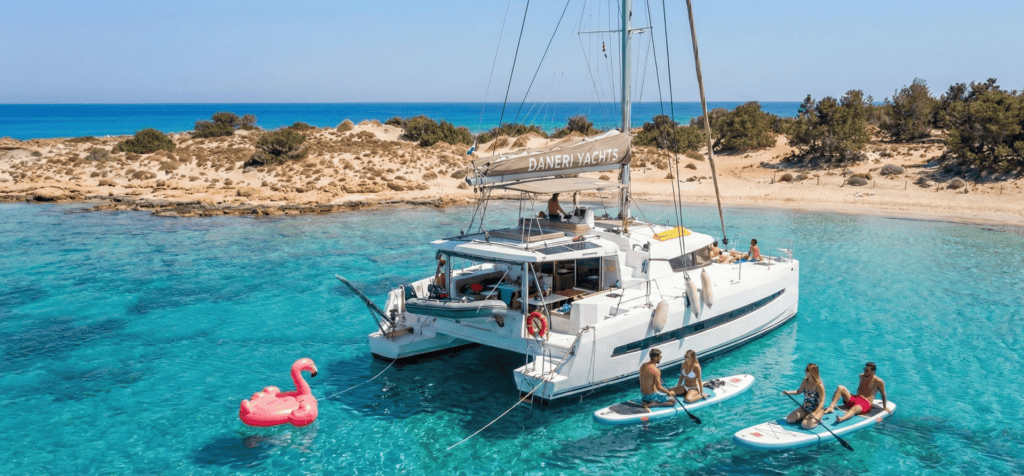
Combining diving with private yacht charter represents the ultimate luxury integration. Rather than commuting daily from land-based accommodation to dive sites, a 40-50 foot private yacht (chartering at €350-500 daily) allows diving at remote sites, overnight anchorage in pristine bays, and transition from diving days to relaxation days sailing between islands. A typical itinerary might include morning dives off Spinalonga Island near Agios Nikolaos (eastern coast), afternoon sailing to the uninhabited islet of Chrysi Island (famous for its golden-sand beaches and excellent snorkelling), evening anchoring in pristine Balos Lagoon (western coast), and morning dives exploring the submerged bronze-age harbour. Yacht-based diving eliminates commute times, provides comfort and meals aboard, and creates a romantic, exclusive experience unattainable through land-based operations.
For those combining diving with romantic getaways, consider timing your trip to coincide with Crete’s exceptional autumn season (September-October). Water temperatures remain warm enough for comfortable diving without heavy wetsuits, winds diminish compared to summer, wildflowers bloom in unexpected abundance, and archaeological sites welcome visitors without summer crowds. Evening meals on terraces overlooking moonlit Mediterranean waters, intimate beach walks after diving days, and shared experiences of underwater wonder create profound relationship bonding. Certain operators including Abyss Divers offer specialised “couples diving packages” (€150-180 per person including romantic shore picnics, sunset aperitifs, and private dive guiding) combining diving with relationship enhancement. The Crete honeymoon packages offered by our partners often incorporate optional diving days, allowing newly-married couples to explore underwater adventures together.
Essential Packing Checklist for Diving in Crete
Beyond standard holiday packing, diving in Crete requires several specific items that rental equipment cannot replicate. Most critically, bring your diving certification card (even though dive centres photocopy it, carrying the original prevents bureaucratic complications); a personal underwater camera or GoPro (€200-800 purchase or €20-30 daily rental); reef-safe sunscreen SPF50+ (critical for exposure between dives and at the beach—standard sunscreen damages coral ecosystems); and a personal wetsuit if you prefer specific thickness or fit (rental wetsuits average €10-15 daily, whilst personal suits cost €80-200 one-time investment, paying for themselves within 10-15 dive days). Prescription glasses wearers must arrange corrective dive masks in advance (contact your dive centre 2-3 weeks before arrival; rental costs €10-15 daily or €40-60 for the trip).
Practical items enhancing comfort and safety include: a personal first-aid kit containing motion-sickness tablets (useful for boat transit in rough conditions), antihistamines (for occasional jellyfish stings or minor sea-urchin punctures), blister treatment (wet suits sometimes cause rubbing), and antibiotic ointment. Bring a dive log book to record dives, depths, and marine life encountered—it serves both as safety documentation and cherished memory record. Pack a lightweight microfibre drying towel (€15-25, saves 80% drying time versus cotton towels) and a reef-safe toiletry bag, as public showers at dive centres lack privacy but occur regularly between dives. If diving with medical conditions (asthma, heart conditions, diabetes), carry medical documentation and alert dive centres immediately—whilst most conditions remain compatible with diving, centres must assess individual circumstances.
Clothing recommendations for land-based activities between dives include lightweight long-sleeved shirts (protecting against sun and sea-urchin contact during snorkelling), quick-dry travel trousers, and water shoes with grip soles (essential for rocky shore entries at snorkelling sites). Bring sun protection including a wide-brimmed hat, sunglasses with UV400 protection, and lip balm with SPF—sun reflection off Mediterranean water intensifies UV exposure by 40%, causing rapid sunburn even on cloudy days. Finally, pack a reusable water bottle (€20-30 thermal bottle) for carrying cold water to the beach; the combination of sun exposure, diving exertion, and dehydration causes dangerous rapid water loss, and purchasing bottled water daily costs €3-5 per bottle whilst contributing to Crete’s plastic waste problem.
Epilogue: The Underwater Future and Conservation
Crete’s marine ecosystems face mounting pressures from climate change, overfishing, and increasing tourism. Water temperatures have risen approximately 1°C over the past 30 years, causing species range shifts and coral bleaching in shallow tropical-influenced sites. Commercial fishing activity, whilst regulated, still removes apex predators including large groupers and amberjacks at rates exceeding sustainable reproduction. Responsible diving tourism, however, represents a powerful conservation force—when divers witness marine life’s majesty firsthand, most become lifelong ocean advocates and conscious consumers supporting sustainable fishing and marine protection policies. By choosing responsible dive operators, respecting marine life encounter distance guidelines (5+ metres for most species), avoiding touching corals or wildlife, and selecting reef-safe sunscreen, each diver contributes to preservation of these irreplaceable ecosystems.
Planning a private trip to Crete? 105 Olives Greece designs tailor-made luxury experiences. Explore more Crete travel guides →
