
Crete accessible travel for elderly visitors is entirely achievable—and genuinely rewarding—when you plan with precision. This island of 630,000 residents welcomes older travellers with surprising grace, offering accessible beaches where you can wade into crystal Mediterranean waters without navigating treacherous rocks, archaeological sites designed for leisurely exploration, and coastal towns built on human scale rather than stadium-sized monuments. Unlike mainland Greece, Crete’s infrastructure has evolved with accessibility in mind, particularly in the north coast resorts. This comprehensive guide reveals which sites truly work for less mobile travellers, which hotels remove the stairs-and-stress equation entirely, and how private transfers—not taxis or hired cars—transform a potentially exhausting holiday into something genuinely memorable.
Want a quick answer? Message us on WhatsApp or fill in our trip-planning form — we reply the same day.
Why Crete Works Beautifully for Elderly Travellers
Crete is fundamentally different from the steep, narrow-laned Greek islands that demand youth and agility. The largest Greek island spans 260 kilometres east to west, with most tourism concentrated along the gentler northern coast—Chania, Rethymno, Heraklion, and Agios Nikolaos. These towns were developed with commerce in mind, meaning waterfront promenades are level, paved, and designed for strolling at a contemplative pace. Unlike Santorini or Mykonos, where staircases descend hundreds of metres through whitewashed villages, Crete’s principal settlements sit at sea level or on moderate slopes. The hospital infrastructure is excellent: Heraklion University Hospital is one of Greece’s most advanced facilities, and private clinics operate in all major towns.
The climate itself becomes a practical advantage for less mobile visitors. Crete enjoys 300 days of sunshine annually, with the warmest season (May through October) providing warm but not oppressive temperatures. Winters are mild—daytime highs around 14–16°C—making shoulder seasons (April–May and September–October) ideal for elderly travellers who wish to explore without the physical burden of extreme heat. The sea temperature peaks at 26°C in August and September, remaining warm enough for gentle bathing from June through November. This extended season means you’re never forced to choose between summer crowds and winter closure—a luxury many Mediterranean destinations don’t offer.
Infrastructure improvements implemented over the last decade reflect Greece’s commitment to accessible tourism. Chania Airport, situated 14 kilometres east of the city, has been fully modernised with level walkways, clearly marked accessible parking, and staff trained in mobility assistance. Rethymno’s beach promenade (locally called the Rethymno Seafront) stretches for 12 kilometres and features accessible toilet facilities every 500 metres. Agios Nikolaos, perched 40 kilometres east, has invested substantially in barrier-free access to its famous Voulismeni Lake waterfront. Most importantly, the cultural attitude toward elderly visitors is genuinely welcoming—Greeks have a deep respect for age, and you’ll find proprietors willing to adapt their service to your pace without a second thought.
The cost structure makes extended stays feasible. A comfortable four-star hotel in Chania or Rethymno costs €120–180 per night, meals at quality tavernas €20–35 per person, and organised activities €60–150 per person. Unlike Turkish Riviera resorts or Spanish coastal towns, Crete doesn’t demand you spend lavishly to live well. The island’s economy remains rooted in agriculture and honest hospitality rather than luxury tourism, meaning you’ll encounter authentic establishments where the owner’s family has prepared food for forty years rather than faceless chain operations.
Accessible Accommodation: Where to Stay Without Compromise
Chania: The Most Accessible Base
Chania (also spelled Hania), the island’s most charming city, occupies the northwestern corner and serves as the ideal headquarters for elderly travellers. The Venetian Harbour area, its primary attraction, sits entirely at sea level with a continuous paved promenade. The restored Old Town, though historically narrow, has been carefully adapted—cobblestones were replaced with smooth paving in 2019, and many historic buildings converted into hotels now feature modern lifts and accessible bathrooms. The city’s population of 55,000 means it avoids the overwhelming tourism crush of summer-only destinations; there’s authentic Greek life occurring around you even during peak season.
For accommodation, Chania Suites Hotel (coordinates: 35.3383°N, 24.4487°E) specialises in accessible design without sacrificing aesthetics. All 48 rooms feature roll-in showers, grab rails, and emergency call systems. Ground-floor units open directly onto the seafront with zero steps. A single room costs €130–170 per night (€95–130 in shoulder season), and the hotel operates a private car service to restaurants and sites for €15 per journey. The staff—many of whom have cared for mobility-challenged guests for over a decade—anticipate needs before you voice them. Breakfast is served in the room if preferred, eliminating the navigation of communal dining areas.
An alternative—and more luxurious—option is Hotel Nereida, a family-run establishment managing just 22 rooms with a reputation for meticulous guest attention. Rooms cost €145–195 per night, and the proprietor, Nikolas Papadakis, personally ensures that every visitor receives support tailored to their mobility level. The hotel occupies a quiet corner of the Old Town, 150 metres from the harbour, and operates a private lift service connecting rooms to the seafront. Many guests return annually, creating an atmosphere more akin to a country house than a commercial hotel.
Rethymno: The Gentler Option
Rethymno, 55 kilometres east of Chania, appeals to travellers seeking quieter surroundings without sacrificing accessibility. The beachfront promenade runs for 12 kilometres without a single hill, and the Venetian Harbour—smaller and less overwhelmed than Chania’s—provides equal charm with 30 percent fewer visitors. The town accommodates 16,000 residents year-round, creating a genuinely lived-in atmosphere. Several beach clubs have installed wheelchair-accessible pathways reaching directly into the sea, with stable entry points and attendants trained in mobility assistance.
Grecotel Creta Palace, located directly on the beach (coordinates: 35.3666°N, 24.7466°E), represents accessible resort living at its finest. The property features 265 rooms across low-rise buildings connected by level pathways. All accessible rooms have been recently renovated with Italian marble flooring (providing stable surfaces for walking frames), spacious bathrooms with roll-in showers, and emergency communication systems. Nightly rates for accessible rooms begin at €140 per night (all-inclusive option available at €180), substantially lower than equivalent properties in Chania. The resort’s medical team includes nurses trained in mobility assistance, and the concierge organises adapted transport to any requested destination.
For a smaller-scale experience, Mythos Suites Hotel operates just 35 rooms in a converted Venetian mansion overlooking the harbour. The proprietors invested €800,000 in restoration that preserved historic character whilst installing a modern lift system, accessible bathrooms with heated floors, and sound-proofed rooms (invaluable for travellers with hearing aids requiring minimal background noise). Rates begin at €125 per night, and the hotel’s restaurant accommodates wheelchair users at specially adapted tables. The location, on the Rethymno Seafront directly above a level 300-metre promenade section, means you can be waterside within two minutes of leaving your room.
Agios Nikolaos: The Eastern Haven
Agios Nikolaos, 40 kilometres southeast of Rethymno, attracts fewer elderly travellers despite superior accessibility. The town’s defining feature, Voulismeni Lake, lies at sea level with a continuous 1.2-kilometre paved pathway encircling it entirely. The pathway includes benches every 50 metres, shaded areas, and accessible toilet facilities at three points. The nearby Mirabello Beach extends 4 kilometres with three wheelchair-accessible entry points staffed by attendants during summer months. The town itself is compact—you can navigate from hotels to restaurants to attractions entirely on level ground without a single staircase.
Candia Maris, a 281-room resort occupying a private beach 2 kilometres south of town, stands as Crete’s most methodically accessible property. Every accessible room features a private patio with a level connection to the beach pathway. The resort employs a dedicated mobility assistance team, and rooms feature emergency call systems connected to staff trained in elderly care. Rates for accessible rooms begin at €165 per night (often discounted to €110 in shoulder season), and the property includes two restaurants, three bars, and direct access to a 200-metre private beach. For guests with reduced mobility, the resort eliminates the need to venture into town—everything is accessible from your room.
Archaeological Sites: Ancient Wonders Without the Exhaustion
Crete’s archaeological significance rivals any Mediterranean destination—the island was home to Europe’s first advanced civilisation, the Minoans (circa 3000–1100 BCE). The challenge for elderly visitors is that many sites involve uneven terrain, narrow passages, and limited shading. However, three Minoan palaces have implemented accessible pathways that genuinely work, and the approach of savvy travellers involves visiting early morning (before 9:00 AM) when both temperatures and crowds remain manageable.
Knossos Palace, situated 5 kilometres south of Heraklion, represents the most visited archaeological site in Greece, attracting 800,000 visitors annually. The challenge is its layout: the palace covers 22,000 square metres across multiple levels. However, modern restoration work has created an accessible route covering the most significant features. Park in the designated disabled parking area (40 metres from the entrance), obtain a free mobility permit from the ticket office, and follow the marked pathway through the Central Court and Grand Staircase area—this takes 45 minutes and requires minimal uphill walking. The route avoids the labyrinthine upper levels where enthusiasts scramble through tight passages. Entry costs €18, and an audio guide costs €7 additional. Visiting before 8:30 AM is essential; by 10:00 AM, the site becomes uncomfortably crowded. Hire a private guide through Crete private tours services for €200–280 per person (four-hour tour including hotel transfer), which guarantees early entry and a personalised pace allowing rest stops.
Phaistos Palace, located 60 kilometres south of Heraklion in the Messara Valley, offers a more manageable experience than Knossos. The site sits at 70 metres elevation with the main palace accessible via a level pathway. Unlike Knossos’s recreation, Phaistos presents excavated ruins where you’re viewing actual ancient stonework rather than reconstructed walls. A circular route around the palace’s perimeter takes 50 minutes and presents only one modest incline (manageable with a mobility walker). The site accommodates fewer than 200 visitors daily, creating a genuinely contemplative atmosphere. Entry costs €8. The drive from Rethymno takes 75 minutes, ideally undertaken in a private vehicle with your own driver (essential for comfort on the winding mountain road). The nearby villages of Zaros and Matala provide comfortable lunch spots with level access, and many travellers combine Phaistos with an afternoon at Matala Beach (coordinates: 34.9738°N, 24.7647°E), famous for its Minoan-era cave dwellings and sandy beach with accessible entry points.
Malia Palace, 30 kilometres east of Heraklion, presents the least accessible of the three major palaces but compensates through its smaller size and exceptional setting. The site sprawls across 10,000 square metres on a gentle coastal plain, and pathways have been widened to accommodate mobility equipment. Visiting in late afternoon (after 4:00 PM) provides superior light for photography and near-complete solitude. Entry costs €8, and the site merits only 60–90 minutes of exploration—ideal if you’re combining it with a beach visit. The adjacent Malia Beach stretches for 2 kilometres with accessible entry points and excellent tavernas overlooking the water.
Beyond the major palaces, the Heraklion Archaeological Museum presents an often-overlooked alternative for elderly visitors unable to manage outdoor sites. The museum occupies a modern, fully accessible building with lifts, level galleries, and clear signage. The collection includes the famous Phaistos Disc, exquisite Minoan pottery, and frescoes salvaged from palace sites. You can view in 90 minutes what would take an entire day to see across three outdoor palaces, without exposure to sun or uneven ground. Entry costs €12. The museum restaurant serves simple meals (€10–18) in an air-conditioned space with accessible seating. Staff are trained in supporting elderly visitors, and the bookshop offers detailed guides in multiple languages.
Accessible Beaches: Where Water Meets Comfort
| Beach | Location | Accessibility Features | Parking | Best For | Nearby Accommodation |
|---|---|---|---|---|---|
| Nea Chora Beach | 3 km west, Chania | Wheelchair ramps, accessible toilets, beach wheelchairs available | Free disabled parking, 80m from beach | Sheltered, calm water, family atmosphere | Chania hotels (5 km), Chania Suites |
| Balos Lagoon | 57 km west, Chania | Upper carpark with disabled access, 800m walk to water | Designated spaces, 300m walk from entry | Dramatic scenery, shallow turquoise water | Chania (1 hour drive) |
| Rethymno Beach | Central Rethymno | Level promenade, ramp access, 3 accessible entry points | Free disabled spaces, 200m from water | Venetian Harbour views, long beach walk | Rethymno hotels (0–5 km), Mythos Suites |
| Voulismeni Lake, Agios Nikolaos | 40 km east, Rethymno | 1.2 km level pathway, benches every 50m, accessible facilities | Free disabled spaces, adjacent parking | Scenic strolling, no swimming but excellent views | Agios Nikolaos hotels, Candia Maris |
| Matala Beach | 60 km south, Messara Valley | Ramp access, accessible toilets, beach attendants | Free disabled spaces, 150m from water | Historic caves, sandy beach, taverna culture | Matala village (hotels €70–120), south coast base |
| Mirabello Beach, Agios Nikolaos | Central Agios Nikolaos | Two accessible entry points, lifeguard supervision, beach wheelchairs | Free disabled spaces, 100m from water | Safe bathing, town centre location, resort beaches nearby | Agios Nikolaos (0–3 km), Candia Maris |
Beaches represent Crete’s greatest gift to elderly travellers: warm, crystal-clear water requiring no exertion to enter, combined with therapeutic immersion in Mediterranean light. The key distinction is between structured beaches (equipped with facilities, lifeguards, and accessibility infrastructure) and wild beaches (accessible only via lengthy walks or boat transfers). For mobility-limited visitors, structured beaches become essential.
Nea Chora Beach, just 3 kilometres west of Chania’s Old Town (coordinates: 35.3418°N, 24.3947°E), exemplifies what thoughtful beach design achieves. The beach features two official wheelchair ramps descending to the sand, accessible toilet facilities with grab rails and changing areas, and a beach wheelchair service operated by the local municipality (€5 per hour, available daily 10:00 AM–6:00 PM May through October). The water is shallow for approximately 30 metres, allowing older swimmers to wade confidently. The beach remains organised but unhurried—you’ll encounter Greek families and retirees rather than package tourists. A seafront taverna, Tamam (operating since 2008), serves simple grilled fish, village salads, and local wine within 20 metres of the accessible entry point. Parking in the designated disabled spaces places you 80 metres from the beach, requiring approximately four minutes of level walking. Most Chania hotels arrange complimentary beach shuttle services during summer months—enquire upon booking.
Rethymno Beach, stretching 12 kilometres along the town’s northern edge, offers a different appeal: the ability to stroll continuously along a level, paved promenade with the option to enter the water at any of three designated accessible points. The promenade itself becomes the experience, lined with tavernas, ice-cream vendors, and shaded sitting areas. The town’s design means you never feel isolated—cafés, bookshops, and pharmacies remain accessible from your position on the beach. The beach reaches its quietest during early morning hours (before 8:00 AM) and late afternoon (after 5:00 PM). Water entry points at coordinates 35.3721°N, 24.7467°E (central) and 35.3681°N, 24.7618°E (eastern section) include modest ramps and sandy approach areas suitable for walking frames. The beach restaurant Sunset Taverna specialises in grilled octopus and fresh sardines (€18–32 per person) and has specially positioned tables at accessible height for guests using wheelchairs.
Agios Nikolaos and Mirabello Beach combine in a complementary experience. Voulismeni Lake, Agios Nikolaos’s defining feature, provides a scenic 1.2-kilometre walk encircling calm, sheltered water (coordinates: 35.1903°N, 25.7343°E). Though not suitable for swimming (it’s technically a lagoon), the pathway offers a manageable daily outing with benches positioned for rest every 50 metres. The surrounding tavernas—particularly The Ferryman and Thalassa—serve lunch on the waterfront with level access. Mirabello Beach, the town’s primary swimming area, lies adjacent and offers a 4-kilometre sandy expanse with two wheelchair-accessible entry points staffed by lifeguards during summer. The beach slopes gradually, allowing safe wading for ages 70 and beyond. Several resorts position themselves directly on Mirabello Beach; Candia Maris guests enjoy exclusive access to a roped-off section where elderly swimmers can rest on poolside loungers whilst remaining beach-adjacent.
Private Transfers: The Invisible Infrastructure Making It All Work
The single most important decision for elderly travellers to Crete is vehicle transportation. Hiring a rental car independently, relying on taxis, or using buses creates unnecessary stress—uneven taxi driver reliability, unfamiliar road conditions, and the physical effort of getting in and out of standard vehicles. Private transfer services transform the entire experience, eliminating logistics burden and enabling you to focus on enjoyment.
105 Olives Greece’s private airport transfers in Crete service operates vehicles specifically selected for elderly passenger comfort. Vehicles are Mercedes E-Class sedans or spacious people-carriers with high roof lines (simplifying entry for those with reduced mobility), automatic transmissions, and climate control calibrated to maintain 22°C regardless of external temperature. Transfers cost €85–140 from Chania Airport to Chania town (35 kilometres, 45-minute journey), €95–155 from Heraklion Airport to Rethymno (75 kilometres, 90-minute journey), and €140–220 from Heraklion to Agios Nikolaos (65 kilometres, 75-minute journey). Unlike standard taxi services charging by meter, transfers operate on fixed pricing, enabling transparent budgeting. Drivers are English-speaking, trained in mobility assistance, and arrive 15 minutes before scheduled pickup. Most importantly, they know Crete—route selection accounts for road quality, avoiding potholed sections and minimising time on narrow mountain passages that aggravate motion sickness.
For day outings, hiring a driver for the entire day costs €320–450 for a five-seat vehicle and €420–600 for a seven-seat van, including driver. This enables flexible scheduling—you might visit Knossos Palace (45 minutes from Heraklion hotels) in the morning, lunch in a village recommended by your driver, and a beach afternoon, all without navigating transportation logistics between activities. Drivers work with hotel concierges to arrange restaurant reservations at accessible establishments, brief them on your mobility requirements, and ensure seamless transitions. For a couple aged 70+, hiring a private driver for three days of exploration costs approximately €1,400–1,800 total, a premium of perhaps €150–200 compared to standard car rental whilst delivering incalculable stress reduction and safety.
The critical detail elderly travellers often overlook: drivers organise restaurant seating in advance. Your hotel concierge calls restaurants on your behalf, specifying “elderly guests requiring ground-floor seating without steps.” When you arrive, the table is positioned near the entrance, and waitstaff are prepared to slow their pace. This informal infrastructure—not published anywhere, not formally mandated—emerges from Greek hospitality culture and transforms dining from a navigational challenge into pleasure. Drivers familiar with specific restaurants know which establishments understand elderly requirements and which operate pretentious service where navigation becomes stressful.
Practical Information: When to Visit, How to Get There, What to Expect
The optimal visiting window for elderly travellers extends from late April through May and September through early October. These shoulder seasons deliver warm, pleasant temperatures (22–26°C), abundant sunshine, and manageable crowds. Summer months (June–August) remain entirely feasible if you’re comfortable with daytime temperatures reaching 28–32°C and accept that beaches, archaeological sites, and restaurants will be crowded. Early morning visits (8:00–10:00 AM) to major attractions essentially eliminates crowds regardless of season. Winter months (December–February) bring mild weather (14–16°C) and minimal tourism, but several restaurants and attraction facilities operate reduced hours. Spring (March–April) provides excellent weather and wildflower displays, though some hotels remain closed until mid-April. Autumn (October–November) delivers perfect conditions but begins experiencing occasional rainy days by November.
International flights arrive primarily at Chania International Airport “Nikos Kazantzakis” (CHQ, 35.3437°N, 24.1485°E, 14 kilometres east of Chania) or Heraklion International Airport “Nikos Kazantzakis” (HER, 35.3397°N, 25.1803°E, 5 kilometres east of Heraklion). Chania Airport suits travellers planning to base themselves in western Crete (Chania, Rethymno, or central areas); Heraklion Airport suits those exploring central or eastern regions (Agios Nikolaos, Knossos Palace). Both airports feature car-rental facilities, but pre-arranging private transfers eliminates the stress of navigating rental agreements and unfamiliar vehicle operation. Flight times from London typically involve a single stop in Athens or a direct service on budget carriers (approximately 4.5 hours flight time plus connections). Ferry options exist from Piraeus (Athens) to Chania (approximately 8 hours overnight), providing a gentler arrival alternative to flying, though they operate limited schedules during winter months.
Once in Crete, the principal decision involves whether to remain based in a single location or move between towns. Single-base travel suits elderly visitors—remaining in one hotel for the entire stay eliminates packing, unpacking, and transfer logistics. Rethymno serves this purpose best, positioned centrally with manageable distances to most attractions: Chania (55 kilometres, 70 minutes), Agios Nikolaos (40 kilometres, 50 minutes), Knossos Palace (100 kilometres, 2 hours), and Phaistos Palace (60 kilometres, 75 minutes). However, some travellers prefer multi-base itineraries, spending 3–4 nights in Chania (western exploration), moving to Rethymno (central base), and finishing in Agios Nikolaos (eastern relaxation). This approach requires three hotel transfers but enables a more complete Crete experience. Private transfer services arrange all hotel-to-hotel logistics (€90–140 per journey), handling luggage collection, new hotel check-in coordination, and route selection avoiding stressful roads.
Documentation requirements remain straightforward for EU/UK/US/Canadian citizens: a valid passport is sufficient for stays under 90 days. Travel insurance becomes essential—European-level comprehensive coverage (€40–80 for two-week trips) provides crucial protection against medical emergencies and trip cancellations. Some insurance providers specifically exclude high-altitude activities and strenuous hiking but cover standard tourism; read policy details carefully. Healthcare access is excellent—Chania’s St. Catherine Hospital and Heraklion University Hospital equal Western European standards. Private clinics (operating in all major towns) accept international insurance and provide rapid appointments.
Chat on WhatsApp — Plan Your Trip
💬 Chat on WhatsApp — Plan Your Trip
Frequently Asked Questions
Is Crete walkable for someone with a walking frame or mobility walker?
Absolutely. The northern coast (Chania, Rethymno, Agios Nikolaos) features predominantly level terrain with paved walkways throughout town centres and seafront promenades. The central Rethymno beachfront spans 12 kilometres entirely without elevation changes. Mobility walkers navigate these areas as easily as flat London pavements. Beach access, restaurant entry, and accommodation have been substantially upgraded to accommodate frames and wheelchairs.
Will I encounter stairs or uneven ground at major archaeological sites?
Knossos Palace has designated accessible routes avoiding the most challenging areas—expect perhaps 200 metres of slight incline over a 45-minute visit, manageable with rest stops. Phaistos Palace presents a single modest slope but remains fundamentally accessible. The Heraklion Archaeological Museum provides equivalent experience indoors with zero terrain challenges. Plan visits for early morning to minimise crowds and heat stress.
What if I need medical assistance during my trip?
Healthcare in Crete equals Western European standards. Heraklion University Hospital and St. Catherine Hospital in Chania provide comprehensive emergency care. Private clinics in all major towns offer rapid appointments (€60–120 consultation fees) and speak English. International travel insurance covers treatment costs. Hotel concierges arrange medical appointments within hours if needed.
How much does a typical daily itinerary cost for two elderly travellers?
Budget approximately €400–550 daily for two people: accommodation €120–180, meals €80–120 (two restaurant meals including wine), private transfers/activities €150–250, and miscellaneous €50. This assumes mid-range hotels and quality taverna dining. Less expensive options exist (€250–300 daily) through simpler accommodation and self-catering, or luxury experiences reach €800+ daily through premium hotels and yacht charters.
Should I book hotels directly or through travel agents?
Direct booking with accessible-specialised hotels (like those listed in this guide) ensures you’re communicating mobility requirements clearly and receiving confirmation of accessibility features. Major booking platforms sometimes misrepresent accessibility—a room advertised as “wheelchair accessible” may actually be located on an upper floor requiring stairs. Speak directly with hotel management, confirming ground-floor rooms, lift functionality, and bathroom accessibility before committing.
Insider Tips: What Crete Travel Guides Never Mention
The afternoon siesta period (roughly 2:00–5:00 PM) represents your secret advantage on Crete. Most restaurants close during these hours, not through rudeness but genuine cultural practice—locals rest during heat’s peak. This creates a stunning opportunity: visit popular sites during 5:00–7:00 PM when tourists have departed for hotel naps. Knossos Palace becomes genuinely peaceful after 5:00 PM; you might encounter fewer than 50 people. Archaeological sites remain open until sunset (approximately 8:00–9:00 PM depending on season), and golden late-afternoon light renders photography superior to harsh midday sun. Restaurants reopen at 6:00 PM, meaning you can experience authentic dinner culture dining at 8:00–9:00 PM as Greeks do, seated among locals rather than tourist groups.
Hire a private driver rather than renting a car—this single decision removes immense stress. Beyond obvious benefits (no navigation, no parking, no unfamiliar road anxiety), drivers possess intimate knowledge of Crete’s actual road conditions. Winding mountain roads look scenic but create motion sickness for many older travellers; experienced drivers minimise cornering speed and avoid potholed sections. They know which restaurants honour reservations made hours earlier, understand which beach tavernas accommodate wheelchair-using guests, and predict traffic patterns meaning they can suggest whether to delay departure by 30 minutes to avoid peak-congestion periods. A five-seat vehicle with driver costs €320–400 daily—minimal premium compared to rental anxiety and petrol costs.
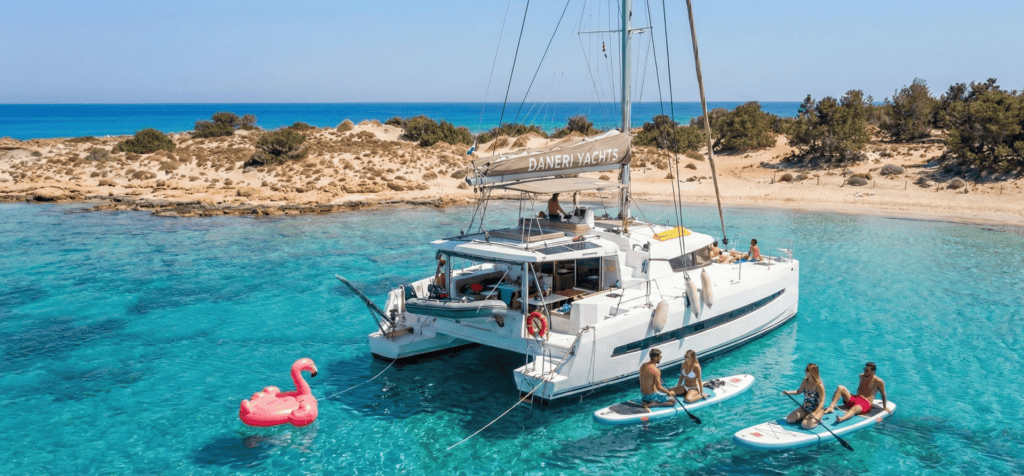
Investigate private yacht charters through private yacht charter in Crete as alternative transportation rather than adventure. A 12-metre sailing yacht costs €800–1,200 daily with professional captain and crew, accommodating four to six passengers. This transforms into an accessible, leisurely floating hotel system—you board in Chania, sail gently to Rethymno (gentle 3-hour voyage), and awake in a new location without packing or transferring hotels. The vessel’s main salon is climate-controlled, features a full kitchen for personalised meal preparation, and the captain navigates solely to your interests (beaches, villages, archaeological sites visible from water). For couples with mobility challenges, this eliminates hotel transfers and provides constant comfort.
Don’t underestimate village tavernas beyond the coastal tourist zones. The village of Axos (coordinates: 35.2814°N, 24.6208°E), situated 25 kilometres inland from Rethymno, hosts precisely zero tourists despite possessing three exceptional tavernas operated by multi-generational families. Taverna To Kastro (operating since 1987) serves village lamb stews, village salads with produce from proprietor’s garden, and local wine for €12–18 per person. The proprietor will arrange disabled-accessible parking (several spaces exist near the central square), and the taverna’s ground floor requires no steps. Inland villages provide authentic cultural immersion, genuinely regional food, and absence of tourist-menu inflation. Drivers familiar with your interests can suggest which villages suit mobility-limited visitors versus those requiring extensive walking.
Budget Breakdown: Realistic Costs for Elderly Crete Travel
A two-week Crete holiday for two elderly travellers planning mid-range comfort requires approximately €4,800–6,400 total. This encompasses: return flights London to Crete (€350–450 per person, approximately €700–900 total), accommodation 14 nights at €140 average (€1,960), meals €100 daily (€1,400), private transfers €300 weekly (€600), activities and site entrance fees €400 total, and contingency (€500). Travel insurance, essential for your age group, costs €60–100 for comprehensive two-week coverage. This represents excellent value compared to equivalent Mediterranean destinations—Spanish coastal holidays cost 30–40 percent more, and Turkish Riviera operates substantially higher in premium seasons.
Significant cost savings emerge through strategic decisions. Travelling in May (shoulder season) rather than July reduces flights by €150 per person and accommodation by €30–40 nightly. Selecting Rethymno rather than Chania reduces accommodation €20–30 per night whilst providing superior central positioning. Eating lunch at casual tavernas (€12–16 per person) rather than dinner restaurant meals (€25–40 per person) substantially reduces food costs; the comprehensive Greek lunch culture means you’re eating the island’s finest food at genuinely affordable prices. Purchasing a week-long car-hire with driver (€350–420 daily) rather than daily transfers generates savings if you’re conducting multiple outings. Many hotels offer substantial discounts for stays exceeding 7 nights—enquire directly rather than accepting published rates.
Luxury variations accommodate higher budgets comfortably. Premium five-star hotels cost €220–320 nightly, creating a €2,100 budget for 14 nights (roughly €1,100 additional compared to four-star). Private yacht charters cost €1,200–1,600 daily but replace both accommodation and transportation costs, sometimes delivering surprising value for couples seeking premium comfort. Dining at Michelin-listed restaurants (Crete hosts two Michelin-starred establishments: Veneto in Rethymno and Meli in Chania) costs €60–90 per person but provides spectacular culinary experiences. A luxury itinerary—five-star hotels, yacht charter, Michelin dining, private guides—reaches €10,000–12,000 for two weeks for two people, but transforms into an utterly distinctive experience rather than standard tourism.
Seasonal Costs and Accommodation Comparison
| Season | Months | Weather | Hotel Cost (4-star) | Flight Cost (London) | Crowds | Best For |
|---|---|---|---|---|---|---|
| Spring | March–May | 15–24°C, variable rain March–April | €95–130 | €420–520 | Minimal | Quietest experience, wildflowers (April–May), comfortable temperatures for walking |
| Early Summer | June | 24–28°C, minimal rain | €130–170 | €480–580 | Moderate | Excellent weather, manageable crowds, warm sea for bathing (24°C) |
| Mid Summer | July–August | 28–32°C, rare rain | €170–250 | €580–750 | Very high | Peak heat challenges elderly, crowded beaches, most expensive, warmest sea (26–27°C) |
| Early Autumn | September–early October | 23–26°C, minimal rain | €110–150 | €450–560 | Moderate | Optimal: excellent weather, moderate crowds, warm sea (25–26°C) |
| Late Autumn | October–November | 18–22°C, occasional rain | €90–130 | €380–480 | Minimal | Beautiful, quiet, but water temperature drops rapidly, some closures by November |
| Winter | December–February | 14–18°C, periodic rain | €75–110 | €350–450 | Minimal | Excellent value, mild weather manageable for active elderly, many restaurants/hotels closed |
Combining with Other Crete Experiences: Extending Your Holiday
Elderly travellers often benefit from combining beach relaxation with cultural immersion—a week of Crete beaches followed by exploration of another Greek island, or vice versa. Santorini day trips from Crete operate regularly via fast ferry from Chania or Heraklion. The journey takes approximately 2 hours each way (fast ferry), and Santorini’s port town of Athinios presents reasonable accessibility. However, Santorini’s famous caldera-rim villages involve climbing hundreds of stairs—considerably more challenging than Crete. A Santorini day trip suits travellers comfortable with guided tours involving modest walking and willing to remain largely in port areas. Alternatively, Athens day trips from Crete provide cultural contrast via 1-hour flights from Heraklion. Athens’s Acropolis involves uphill walking and uneven marble surfaces—problematic for mobility-limited visitors—but the Acropolis Museum (fully accessible, modern building) and Plaka district (walkable, charming) provide city experience suited to older travellers. Plan Athens visits for May or September when temperatures remain manageable and crowds less overwhelming.
Multi-day explorations within Crete suit elderly visitors better than island-hopping. Multi-day tours from Crete enable structured exploration addressing your specific interests. A four-day westward tour might encompass Chania’s Old Town (day one), Balos Lagoon excursion (day two), Rethymno medieval town and beaches (day three), and return to Chania (day four). A five-day eastward tour involves Knossos Palace (day one), Phaistos Palace and Matala Beach (day two), Agios Nikolaos waterfront exploration (day three), and either Samaria Gorge observation (for those without climbing mobility) or the adjacent Agia Roumeli beach (day four), returning to home base (day five). These structured itineraries eliminate planning burden whilst allowing flexibility—your driver accommodates your pace, adjusting daily distance based on your comfort level.
Extended stays (three weeks or longer) unlock different travel rhythms. Rather than daily excursions, you might settle into a pattern of twice-weekly outings and daily local exploration—morning beach walks, lunch at favourite tavernas, afternoon village strolls. Three-week stays typically reduce accommodation costs by 25–35 percent through extended-stay discounts, enable deeper village relationships (staff learn your preferences, customise seating, anticipate needs), and provide genuinely restorative breaks rather than activity-packed tourism. Travellers report that three weeks yields more satisfaction than two weeks of constant activity, as the rhythm becomes less about “seeing attractions” and more about authentic inhabitation of a location.
Local Culture, Practical Etiquette, and Getting the Most from Interactions
Greek culture profoundly respects age and experience—you’re not simply a customer but a valued elder deserving deference and attention. This cultural foundation manifests in numerous practical ways. Restaurant proprietors may invite you to the kitchen to inspect ingredients for the evening meal. Hotel managers often personally ensure your comfort, sometimes refusing payment for minor courtesies. Waiters will slow their service pace without requiring explicit requests, understanding that leisurely dining at 80 represents appropriate pace. This respect isn’t performed politeness; it reflects genuine cultural values where the elderly represent wisdom and life experience. Engaging with this respectful dynamic—accepting offers of assistance, participating in conversations about your life and family—enriches interactions considerably beyond transactional tourism.
Practical etiquette details smooth interactions. Learning basic Greek phrases—”kalispéra” (good evening), “efharisto poli” (thank you very much), “ne” (yes), “óhi” (no)—creates immediate warmth. Greeks deeply appreciate foreigners attempting their language, regardless of pronunciation. Dress respectfully when visiting villages, avoiding beachwear in restaurants or markets. When visiting religious sites (churches, monasteries), shoulders should be covered and women may be expected to wear headscarves (usually provided at entrances). Photography within churches is often prohibited—always ask. Meal timing follows Greek convention: lunch occurs 2:00–4:00 PM, dinner 8:00–11:00 PM. Eating at noon or 6:00 PM places you firmly as a tourist; adjusting to Greek hours enables dining alongside locals. When dining, resist rushing—Greeks view meals as social events lasting hours. Four courses over three hours represents normal pacing; the slowness isn’t inefficiency but deliberate lifestyle.
Currency transactions require minimal adjustment—Crete uses euros. Most establishments accept credit cards, though smaller tavernas and some villages remain cash-based. Pharmacies (identified by green crosses) operate throughout towns with English-speaking staff; medication purchased without prescriptions costs substantially less than UK equivalents. Tipping follows loose convention: 5–10 percent in restaurants (entirely optional, genuinely appreciated), rounding to nearest euro for taverna meals, and €1–2 for housekeeping staff daily. Healthcare quality is exceptional—should you require medical attention, costs are remarkably affordable (GP consultations €50–80, hospital stays covered by international insurance). Internet connectivity is excellent; most hotels provide complimentary WiFi, and numerous cafés offer connections alongside espresso culture.
Planning a private trip to Crete? 105 Olives Greece designs tailor-made luxury experiences. Explore more Crete travel guides →
