
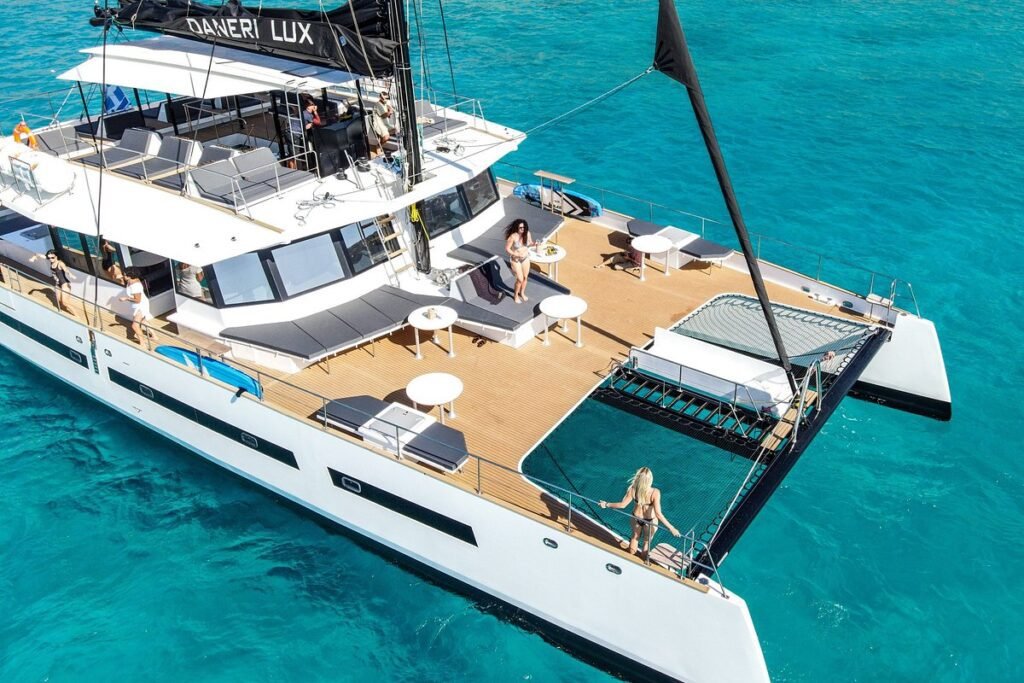
Crete island hopping combines yacht cruising, secluded beach swimming, and authentic village exploration into 3–7 day private itineraries. The best multi-day tours depart from Chania or Heraklion, visit lesser-known islands like Spinalonga and Chrysi, and cost €3,500–€8,500 for four guests, including crew and meals.
Why Crete Island Hopping Works Better Than Land-Based Tourism
Island hopping in Crete avoids the crowded resort model entirely. Instead of staying in one hotel, you wake up in a different anchorage every morning—sometimes anchored off a 500-year-old Venetian castle, other times hidden in a turquoise lagoon with just three other boats visible on the horizon. This model works because Crete has over 50 small islands within a 2–3 hour sail from the main coast, yet fewer than 10% of visitors ever leave their beach clubs.
The logistics matter too. Private Crete island hopping tours eliminate the rigid ferry schedules and overbooked group boats. Your captain adjusts the route based on weather, sea conditions, and your mood. Want to spend an extra two hours snorkeling at Balos Lagoon? Done. Skip a planned village and anchor near an untouched beach instead? Your crew makes it happen. This flexibility is impossible on conventional tours.
The Classic 4-Day Crete Island Hopping Itinerary from Chania
The most popular route departs from Chania’s Old Venetian Harbor and loops through the Cretan Sea, visiting Spinalonga Island, Chrysi Island, and several hidden bays. Day one takes you east along the north coast, with your first swim stop at Marathi Beach near Rethymno—a sheltered sandy cove with tavernas within walking distance. Lunch aboard, then sail to Spinalonga Island, anchoring in Mirabello Bay where you can visit the Venetian fortress (€3 entry) or simply drift in the shallows with a cool drink.
Days two and three venture south and east. You’ll anchor off Chrysi Island, famous for its golden sand and pure-white sand dunes formed by crushed shells and coral. The water here is so clear you can see the seabed at 6 meters depth. Most private crews include snorkeling gear and a local guide who knows the best reef spots where grouper and sea bream gather. A light lunch of grilled fish and Greek salad is served on deck. By afternoon, you’re often alone on this island—a stark contrast to the 5,000 daily visitors who arrive by tour boat from the mainland.
Day four typically includes Koufonissi Island, a tiny settlement with three tavernas and a population of 150 year-round residents. The anchorage is calm and deep, perfect for a relaxed morning swim before heading back to Chania. Total sailing time across these four days is roughly 20–25 hours, broken into manageable 4–6 hour segments with multiple stops. The cost for this route on a private 38–42 foot catamaran runs €4,200–€5,800 for four people, including captain, crew, fuel, and breakfast/lunch daily.
| Itinerary Option | Duration | Departure Port | Key Islands | Estimated Cost (4 guests) |
|---|---|---|---|---|
| North Coast Loop | 4 days | Chania | Spinalonga, Chrysi, Koufonissi | €4,200–€5,800 |
| Extended South Coast | 5 days | Heraklion | Dia, Paximadia, Lebinthoi | €5,500–€7,200 |
| Western Explorer | 3 days | Chania | Gramvoussa, Balos Lagoon | €3,500–€4,500 |
| Full Crete Circumnavigation | 7 days | Heraklion or Chania | All major islands plus remote south coast | €8,000–€12,000 |
The Extended 5-Day South Coast Route from Heraklion
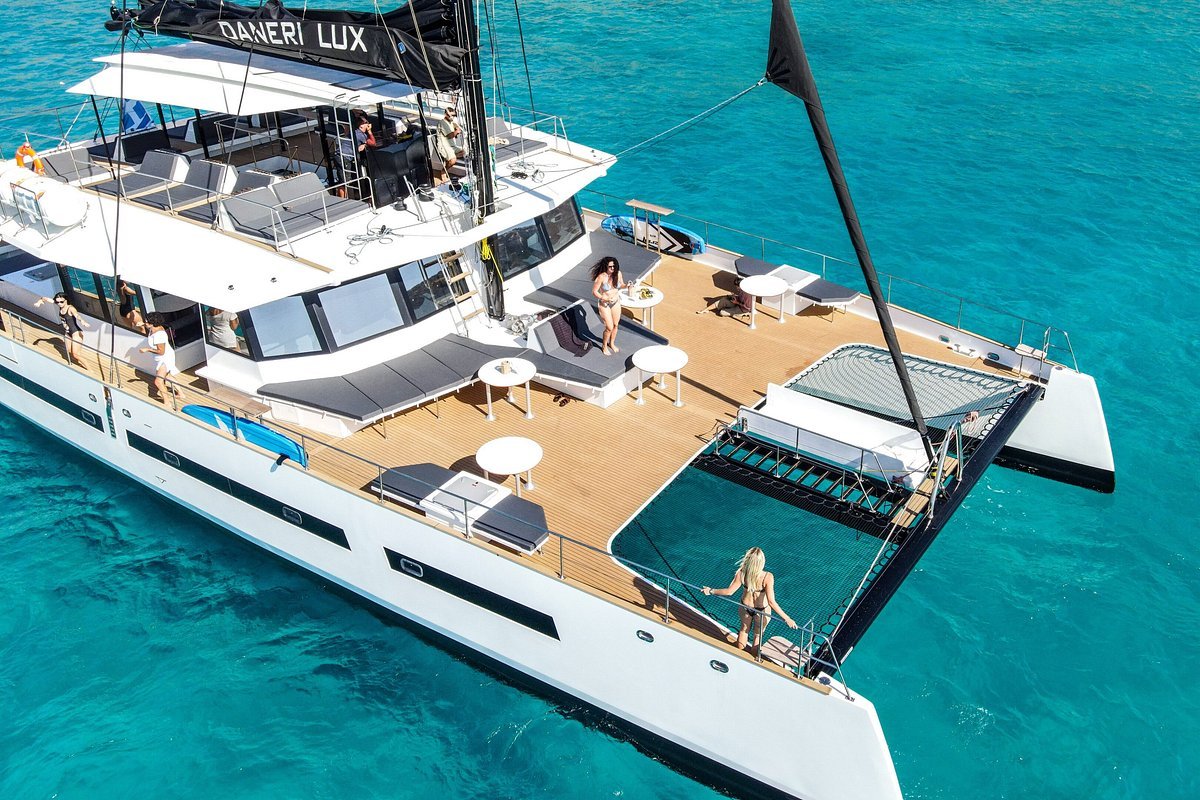
Heraklion-based Crete island hopping tours tend to favor the southern and eastern routes, which offer rougher seas but far fewer tourists. The five-day south coast route leaves from Heraklion’s marina and immediately sails east toward Dia Island, a rocky, uninhabited refuge covered in sage and driftwood. Your first anchorage is often at Kaloi Limenes, an ancient Minoan port with ruins scattered across the hillside and a working fishing village taverna that serves the day’s catch.
Days two and three focus on the Paximadia Islands—two small siblings sitting in the Libyan Sea about 8 nautical miles south of Matala. The western island has a small monastery and a few goat herds; the eastern island is completely uninhabited. The water between them is gin-clear and deep enough for excellent snorkeling. You’ll often encounter Mediterranean monk seals here, though sightings are rare and magical—only about 600 remain in the wild. Your captain will slow the boat and cut the engine if seals appear, respecting their space entirely.
Day four takes you to Lebinthoi, another tiny island with no residents, no infrastructure, and no crowds. The anchorage is deep and protected. Most crews drop anchor by mid-morning and offer a full beach day with a traditional Greek barbecue prepared on deck—grilled octopus, lamb chops, local cheese, horta (boiled greens), and unlimited wine. By evening, you’re back aboard watching the sunset paint the Libyan Sea orange and red.
This south coast route costs slightly more (€5,500–€7,200) because the sea conditions are rougher and require more experienced skippers. The sailing time is longer, typically 25–30 hours across five days. However, you’ll encounter fewer than 50 other tourists across all five days combined—a profound difference from the north coast’s busier anchorages.
3-Day Quick Escape: Gramvoussa and Balos Lagoon from Chania
If you have only 72 hours, the western route from Chania combines two of Crete’s most iconic spots: Gramvoussa Islands and Balos Lagoon. This isn’t subtle or undiscovered—approximately 3,000 tourists visit Balos Lagoon daily—but the private yacht experience is vastly superior to the open-deck ferries and speedboats that dominate the midday hours.
Depart Chania in the morning and sail west along the north coast, reaching Gramvoussa by late afternoon. The islands are home to a 16th-century Venetian fortress and a thriving population of wild goats. Your crew will tender you to shore for a fortress exploration (€2 entry), then return to the yacht for sunset drinks on deck. Day two is dedicated to Balos Lagoon—you’ll arrive at dawn before the day-trippers, spend three hours swimming and paddleboarding in water so shallow (3–4 meters maximum) it feels like a giant bathtub, then depart before noon when 1,500 visitors pour in from the mainland ferries.
Day three allows a leisurely return to Chania with a stop at Marathi Beach or Georgioupoli for final snorkeling. This compressed itinerary costs €3,500–€4,500 per four-person group and is perfect for first-time visitors or those combining Crete island hopping with other Greek destinations. The sailing is mild, rarely exceeding 3–4 knots of wind, and the route works year-round except during extreme winter storms.
What to Pack and Practical Sailing Season
Crete island hopping works best from May through October. July and August offer the calmest seas but attract the most other vessels, pushing up mooring fees and creating crowded anchorages. May, June, September, and October provide the ideal balance: warm enough for comfortable swimming, stable enough for smooth sailing, yet quiet enough that you’ll often anchor alone. Water temperatures range from 18°C in May to 26°C in August—wetsuits are recommended for May and October swimmers.
Pack light. A small carry-on plus a daypack is ideal because cabin space on 40-foot catamarans is tight, and constant rocking makes heavy luggage a nuisance. Bring reef shoes for rocky anchorages, a snorkel set (or rent from your crew for €15–€20), high-SPF sunscreen, and lightweight clothing. Most crews supply snorkeling gear, though personal sets offer better fit. Medications, travel insurance, and copies of your passport should always accompany you ashore.
If you’re booking a private Crete island hopping experience, your company will handle all provisioning—food, water, fuel, navigation. Your responsibility is simply to show up, relax, and enjoy the rhythm of waking up in a new anchorage each morning. Clients who’ve experienced this once rarely return to land-based vacations.
Booking Your Private Crete Island Hopping Tour
Reputable private yacht companies offer flexible itineraries, professional skippers with 20+ years of Mediterranean experience, and all meals prepared fresh aboard. A quality operation includes a tender boat for beach landings, snorkeling equipment, and a crew trained in hospitality and safety. Look for companies that verify insurance, maintain recent boat inspections, and provide transparent pricing with no hidden fees.
When choosing between providers, ask specific questions: How many people does the boat accommodate? What’s included in the daily rate—fuel, crew gratuity, beverages, premium spirits? What’s the captain’s sailing experience in Cretan waters? Are there backup options if weather forces route changes? The best operators welcome detailed questions and provide references from recent clients.
Most operators offer Crete island hopping packages for groups of 4–8 people on 38–52 foot catamarans or monohulls. Solo travelers and couples can sometimes join existing groups or arrange private bookings at a premium. Booking 6–8 weeks in advance ensures availability during peak season and allows the crew time to customize your itinerary based on your interests—whether that’s archaeology, snorkeling, wine tasting, or simply silence and solitude.
| Pre-Booking Checklist | Details to Confirm |
|---|---|
| Boat Type & Size | Catamaran or monohull? 38–42 ft typical. Ask about cabin comfort and deck space. |
| Crew Qualifications | Captain’s license, safety certifications, years sailing Crete waters |
| Included Amenities | Meals, snorkel gear, tender boat, water, fuel, bar basics |
| Weather Contingencies | How are itinerary changes handled? Refund policy for cancellations? |
| Insurance & Safety | Proof of liability coverage, life jackets, first-aid kit, radio communication |
| Deposit & Payment | Typical 30–50% deposit required 8 weeks prior; balance due 2 weeks before |
| Guest Reviews | Ask for 3–5 recent references; read independent platform reviews |
Chat on WhatsApp — Plan Your Trip
Frequently Asked Questions
Is Crete island hopping safe for people who don’t like boats?
Yes. Modern catamarans are extremely stable in calm to moderate seas, which is what you’ll encounter during peak season (May–October). Motion sickness is rare in Cretan waters, but if you’re prone to seasickness, discuss this with your operator—they can recommend medication, positioning strategies, or routes that minimize motion. Most clients who worry beforehand report feeling completely comfortable after the first few hours.
What if weather forces us to cancel or change our itinerary?
Professional operators monitor forecasts closely and adjust routes to avoid rough conditions rather than sail through them. If dangerous weather appears, your captain will modify the itinerary, anchor in a sheltered bay, or return to port—your safety always comes first. Most companies offer flexible rebooking or prorated refunds if weather prevents sailing entirely, though this rarely happens during peak season.
Can we request specific islands orn
