
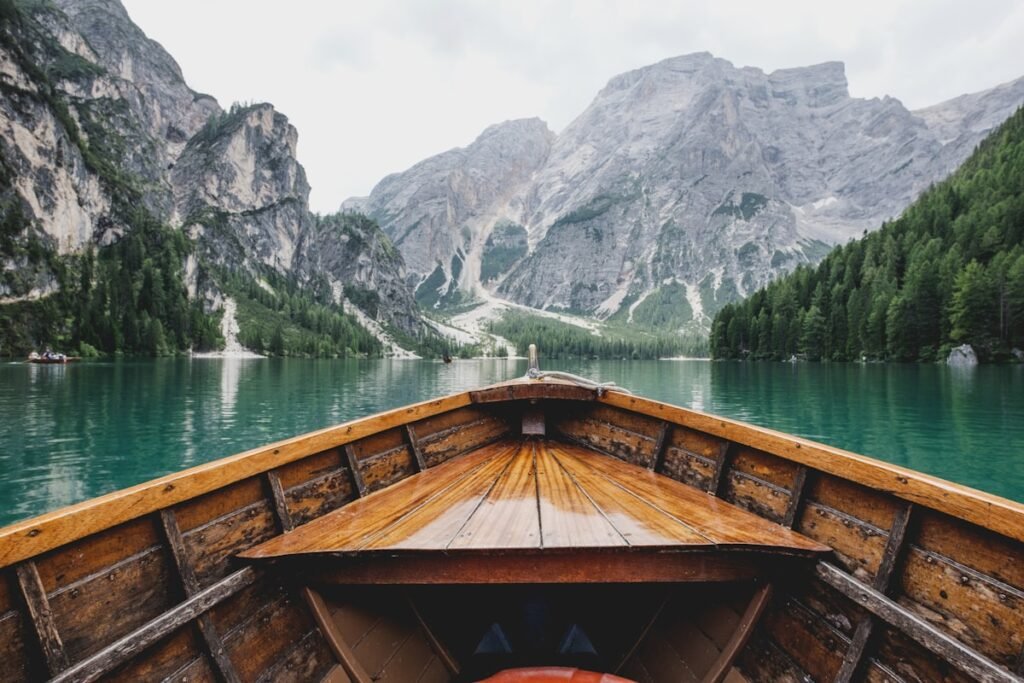
October transforms Crete into a traveller’s paradise, where summer crowds have evaporated but the Ionian and Aegean seas remain warm enough for swimming—typically 22–24°C. This is when the olive harvest begins in earnest, villages buzz with authentic activity, and you’ll discover the real rhythm of Cretan life without battling peak-season tourism. Our luxury private tours reveal why October might be the single best month to experience Crete: exceptional weather, manageable crowds, and the sensory richness of rural traditions at their most vibrant.
Want a quick answer? Message us on WhatsApp or fill in our trip-planning form — we reply the same day.
Why October Is Crete’s Hidden Sweet Spot
October sits in the Goldilocks zone of the Cretan calendar. Summer’s oppressive 35–38°C heat has broken, replaced by warm, dry days averaging 25–27°C. The humidity that characterises July and August has lifted, making walking, hiking, and exploration genuinely pleasurable rather than endurance tests. Hotels report occupancy rates of around 40–50%, compared to 90%+ in August, meaning you’ll find tables at tavernas without reservations, beaches where you can actually hear the waves, and archaeological sites where the experience doesn’t feel like queuing at a theme park.
The Cretan calendar follows agricultural and cultural rhythms that few visitors understand. October marks the beginning of the olive harvest season, particularly for early-harvest varieties that command premium prices. Across the island—from the Lefka Ori mountains in the west to the Dikti range in the east—families gather to pick, press, and celebrate the new season’s oil. In villages like Axos (38.1°N, 24.8°E), Anogia (35.3°N, 24.9°E), and Kritsa (35.2°N, 25.5°E), you’ll witness this centuries-old ritual firsthand. The air carries the distinctive earthy scent of pressed olives, village squares fill with conversation and laughter, and hospitality shifts from commercial to genuinely warm.
The sea temperature in October remains exceptionally inviting. Measurements at Chania’s northern coast average 22°C, whilst southern beaches around Matala and Plakias reach 23–24°C—perfectly swimmable for those accustomed to Mediterranean waters, and ideal for extended sea time without the jellyfish blooms that occasionally affect July and early August. This means you can comfortably enjoy beach days, snorkelling, and private yacht charter in Crete without the summer trade-off of either blazing heat or water sports crowds.
Weather stability in October is remarkable. Rainfall remains minimal—typically just 20–30mm for the entire month—and storms are rare. October sits between the summer drought and the autumn rainy season that begins in November. You’ll experience the phenomenon locals call “Indian summer”: perfectly clear skies, gentle breezes, and that crystalline light that photographers describe as golden hour lasting all afternoon. This consistency makes October ideal for multi-day itineraries, trekking expeditions, and activities that depend on reliable conditions. There’s a reason seasoned travellers and repeat visitors deliberately time their Crete trips for this window.
October Beaches: Swimming, Solitude & Sensible Sea Temperatures
North Coast Beaches: Accessibility & Warmth
Crete’s northern coast—facing the Aegean Sea—offers the most accessible beaches and warmest water temperatures in October. Balos Lagoon (35.6°N, 23.6°E), located 56km west of Chania near Kissamos, transforms into an intimate experience once summer fades. The shallow, turquoise water remains 23°C and the lagoon’s unique geology—a salt-water depression trapped between Gramvoussa Island and the Crete mainland—creates mesmerising colour gradations from pale turquoise to deep azure. A private transfer from Chania takes approximately 1.5 hours; alternatively, the unsealed road is passable in standard vehicles, though a 4×4 is more comfortable. The beach fills briefly at midday but clears by mid-afternoon, giving you windows of genuine solitude.
Elafonissi (35.3°N, 23.8°E), 76km southwest of Chania, ranks amongst Europe’s most stunning beaches and October is the optimal visiting month. The famous pink sand—created by crushed shells and red limestone particles—appears more vibrant in autumn light, and water temperatures of 23°C remain entirely comfortable for extended swimming. October crowds are perhaps one-tenth of August levels; you might encounter 300–400 people across the entire 2km beach compared to 3,000–4,000 in peak summer. The village of Chania sits 1 hour 20 minutes north; a private transfer costs approximately €65–85 return, or you can drive yourself and park in the designated lot (€4 all day). Bring your own water and snacks, as beachside facilities are minimal and close by 17:00 in October.
Platanias Beach (35.5°N, 24.1°E), just 14km west of Chania town, offers convenient swimming without sacrificing authenticity. The 3km arc of golden sand hosts a mix of locals and visitors seeking uncrowded alternatives to busier resorts. The water reaches 23–24°C, and the seafront remains lined with traditional tavernas—try Agia Marina taverna for grilled fish at €18–25 per person—that remain fully operational through October. October visitors benefit from evening swims at dusk followed by dinner under the stars with perhaps 15–20 other diners rather than the chaotic summer atmosphere. Public buses run hourly from Chania town centre (€2.50); journey time is 25 minutes.
South Coast Beaches: Hidden Coves & Adventure
Crete’s southern coast, while more challenging to reach, offers superior solitude and a wilder landscape character in October. Matala (35.0°N, 24.8°E), 67km south of Rethymno, features the famous Neolithic caves carved into ochre cliffs overlooking a horseshoe bay. These were home to 1960s hippies and now attract curious visitors and genuine beach enthusiasts. October sees perhaps 100–150 daily visitors compared to 1,000+ in summer; you can actually explore the caves and sit peacefully in the sand without feeling rushed. The village has remained bohemian and low-key; restaurants like Matala Beach Taverna (coordinates 35.0°N, 24.8°E) serve excellent grilled octopus (€16–20/kg) and local wine. Water temperature reaches 23°C, and the south-facing aspect means sunshine extends later into the afternoon—perfect for sunset swimming.
Plakias (35.2°N, 24.3°E), 30km south of Rethymno, sprawls across a vast sandy beach backed by modest development and accessed via a winding 45-minute drive through the Amari Valley. In October, the beach becomes almost personal; you might find 200 people spread across 2km of sand. The water remains 23–24°C, and the village maintains a genuine working atmosphere—fishermen still mend nets, locals stop at the central square café for morning coffee, and tourism feels secondary rather than primary. Studios cost €50–80/night in October, and meals at village tavernas run €12–18 per person. A private transfer from Rethymno takes 45 minutes and costs approximately €55–70 each way.
Frangocastello (35.1°N, 24.1°E), 52km south of Rethymno, combines history, culture, and beach appeal. The 16th-century Venetian fortress dominates the landscape, its restored stone walls creating dramatic photography opportunities. The beach curves for 1km directly in front of the castle; in October, it’s virtually empty save for a handful of swimmers and the occasional windsurfer testing the autumn thermals. Water temperature reaches 23–24°C, and the fortress’s taverna serves simple mezze platters (€15–22) with that uniquely Cretan combination of authenticity and rudimentary tourism infrastructure. October visits mean you can photograph the fortress in soft light with perhaps two other people in frame, a stark contrast to summer’s crowded postcards.
The Olive Harvest: October’s Living, Breathing Cultural Experience
October’s olive harvest isn’t merely a backdrop to your holiday—it’s an opportunity to participate in a tradition that’s defined Crete for 3,500 years. The main harvest typically begins in the final week of September and continues through October, with peak activity occurring between October 10–31. Unlike August tourism, which is about consuming experiences, the harvest invites you to engage with the actual work and culture of Cretan villages. Families rise before dawn, head to their olive groves, and spend the day beating branches with long poles or gathering fallen fruit into nets. By afternoon, olives are transported to community olive presses, where large mechanical crushers process the fruit and separate oil from pulp and water.
Visiting a working olive mill in October offers sensory and cultural dimensions impossible to replicate any other time of year. The mill at Archanes (35.3°N, 25.3°E), approximately 30km south of Heraklion, operates continuously during October harvest season. You’ll witness industrial-scale pressing (200–300kg of olives per hour), smell the distinctive earthy aroma of fresh olive paste, and understand viscerally why Cretan oil commands premium international prices. Many mills welcome visitors free of charge; the work is relentless enough that workers barely notice observers. You’ll see three generations working simultaneously: grandmothers sorting damaged olives, middle-aged owners managing pressing schedules, and teenagers mechanically bagging the finished oil. A private transfer from Heraklion takes 50 minutes and costs €60–75 return.
Family-operated mills offer more intimate experiences. Mill Rousakis in the village of Anogia (35.3°N, 24.9°E), operated by the same family for four generations, presses approximately 40 tonnes of olives during the October season. Owner Dimitri speaks English, welcomes visitors into the production area, and often offers glasses of fresh juice (the liquid that separates during pressing, which is consumed raw and tastes nothing like bottled oil—more like concentrated green fruit). He’ll explain the difference between early-harvest oil (picked green, peppery, €25–35/litre) and late-harvest oil (picked ripe, buttery, €16–20/litre). A visit typically takes 45 minutes to an hour; no booking is necessary, though arriving between 10:00–12:00 or 14:00–16:00 ensures activity. Private transfers from Chania take approximately 1 hour 15 minutes and cost €70–85 each way.
Many villages organise harvest festivals throughout October, blending commercial tourism with authentic community celebration. The Apokoronas region west of Chania hosts multiple village festivals where locals press grapes into wine, cook traditional stews in communal ovens, and sell the previous year’s preserved olives. These aren’t contrived events—they’re genuine community occasions that happen to welcome visitors. The village of Kandanos (35.3°N, 23.8°E), devastated during WWII and since rebuilt, hosts its harvest festival typically on the first weekend of October, featuring food, traditional music, and the actual involvement of village families rather than imported performers. Entrance costs €5–8; expect to spend €20–30 on food and drink for a full afternoon. A private transfer from Chania takes 1 hour and costs approximately €65–80 return.
Hiking & Walking: October’s Perfect Temperature Window
Iconic Multi-Day Treks
Samaria Gorge, Europe’s longest gorge at 16km, becomes genuinely enjoyable for the first time since late April when October arrives. The summer hike is often a nightmare—temperatures exceeding 35°C, limited water sources, and crowds of 1,000+ daily hikers creating bottlenecks. October sees temperatures of 20–25°C, water flows refreshingly through the gorge, and daily visitor numbers drop to 200–300. The classic route begins at Xyloskalo (35.4°N, 24.0°E), descends 1,600m over approximately 7–8 hours, and exits at Agia Roumeli on the south coast. A private transfer from Chania to the Xyloskalo car park takes 1 hour 15 minutes and costs €50–65; the bus service (€8 return) is cheaper but runs only twice daily. The hike itself is free. Most hikers take 6–8 hours; the ferry from Agia Roumeli to Chora Sfakion takes 1 hour (€15), from which buses return to Chania (€6, 1.5 hours). A multi-day tour from Crete that incorporates Samaria with accommodation and logistics management costs approximately €400–600 per person.
The E4 European walking trail traverses Crete west-to-east across 290km, and October conditions are optimal for multi-day sections. The western segment from Kastelli (35.2°N, 23.7°E) to Chania (35.3°N, 24.4°E) covers approximately 60km over 4–5 days, passing through the Lefka Ori mountains, traditional villages, and connecting with local hospitality networks. You’ll encounter perhaps two dozen other hikers compared to hundreds in summer. Accommodation in mountain villages costs €40–70/night; village restaurants provide evening meals (€12–18/person). The trail is marked with red-and-white blazes and is generally well-maintained, though navigation requires a physical map (digital coverage can be unreliable). Many tour operators offer guided E4 segments; costs typically range €250–350 per person per day, including meals and accommodation.
Day Walks & Moderate Hikes
Imbros Gorge (35.3°N, 24.2°E), often described as Samaria’s less crowded cousin, offers stunning scenery across approximately 8km and 4–5 hours of walking with only 200–300 metres of elevation loss. The route descends through Mediterranean scrub, passes two chapels, and emerges in the village of Imbros where a taverna serves traditional food (€14–20/person). In October, you might encounter 50–100 other hikers across the entire day compared to 500+ in summer. Transport from Chania involves driving 45 minutes south to the village of Imbros (€40–50 private transfer), starting the walk at 08:00–09:00, and finishing by 13:00–14:00 with time for lunch before returning north by 16:00–17:00. The walk itself is free.
Kourtaliotiko Gorge (35.2°N, 24.9°E), near Plakias on Crete’s south coast, presents a gentler alternative requiring only 2–3 hours and 3km of walking. The gorge descends 300 metres through dramatic rock formations to emerge at the Kotsifou beach. October temperatures make this entirely comfortable; you’ll pass through areas of shade and emerge to views of the Libyan Sea. Fewer than 50 people hike this daily in October; it feels like a personal discovery. A private transfer from Rethymno takes 50 minutes and costs €55–70 each way. The walk is free, and the small beach café at the gorge’s mouth serves cold drinks (€3–5) and light snacks (€7–12).
Botanical walks through traditional agricultural landscapes offer slower-paced alternatives to formal trekking. The Amari Valley (35.3°N, 24.4°E), south of Rethymno, comprises a chain of eleven villages connected by walking paths through orchards, olive groves, and chestnut forests. October is harvest time across multiple crops—olives, grapes, and chestnuts—so the landscape vibrates with activity. You can design custom walks of 5–15km, staying overnight in village rooms (€50–75/night) and eating at family tavernas. Few tourists venture into Amari; locals are genuinely delighted to see visitors and will often provide unsolicited recommendations and directions. A private transfer from Rethymno to any village takes 40–50 minutes and costs €50–60 each way.
| Activity | Duration | Difficulty | October Crowds | Cost per Person |
|---|---|---|---|---|
| Samaria Gorge | 7–8 hours | Moderate-Hard | 200–300/day | €50–100 (transport + ferry) |
| Imbros Gorge | 4–5 hours | Easy-Moderate | 50–100/day | €40–50 (transfer) + food |
| Kourtaliotiko Gorge | 2–3 hours | Easy | 30–50/day | €55–70 (transfer) + food |
| Amari Valley walk | 5–15km custom | Easy-Moderate | Very few tourists | €50–75 (accommodation) + food |
| E4 Trail (guided) | Multi-day | Moderate | 10–30/day | €250–350/day (all-inclusive) |
| Private Crete tours (custom) | 1–7 days | Varies | Only you + guide | €200–500/person/day |
Practical Information: Getting Around Crete in October
Crete’s international airports—Heraklion “Nikos Kazantzakis” (HER), approximately 4km east of Heraklion city (35.3°N, 25.2°E), and Chania “Ioannis Daskalogiannis” (CHQ), approximately 14km east of Chania city (35.3°N, 24.1°E)—receive regular flights throughout October from across Europe. October flight availability is excellent; European carriers including Ryanair, easyJet, and Lufthansa maintain regular schedules, and prices typically range €80–180 return from major European cities compared to €150–350 in August. Connecting flight times from London are approximately 4 hours 45 minutes direct; from Paris, 4 hours 15 minutes; from Amsterdam, 3 hours 50 minutes. Airport transfers to Chania city centre cost €15–25 by shared shuttle (KTEL buses run hourly, €5.50), approximately 45 minutes; private transfers cost €45–65 and take 25–35 minutes depending on traffic and your accommodation location.
October weather makes self-drive exploration particularly attractive. Road conditions are excellent across Crete’s main routes; the E75 highway connects Chania (west) to Rethymno (central) to Heraklion (east) across approximately 250km, with journey times of 1 hour (Chania–Rethymno), 1.5 hours (Rethymno–Heraklion), and 2.5 hours total (Chania–Heraklion). Secondary roads to southern beaches and mountain villages are generally well-maintained, though some approach impassable quality during winter; in October, they’re entirely negotiable in standard vehicles, though 4×4 provides additional clearance on rougher approach roads. Car rental costs €25–45/day for compact models in October (compared to €50–80 in August), and most international rental companies maintain desks at both airports. Petrol costs approximately €1.65/litre; a full tank of 50 litres costs roughly €82.50. A private transfer between any two points can be arranged through accommodation providers or tour operators; costs typically range €50–150 depending on distance.
Public transport via KTEL buses remains reliable and economical in October, though less frequent than summer schedules. Major routes—Chania to Rethymno (€8, 1.5 hours), Rethymno to Heraklion (€6, 1.5 hours), Chania to Heraklion via Rethymno (€13, 3.5 hours)—operate 4–6 times daily. Regional services to smaller villages operate once or twice daily, requiring early starts or afternoon departures. A 7-day bus pass costs €25 and provides unlimited travel across the network. October scheduling is notably more convenient than winter; most buses run consistently without weather-related cancellations, which begin in November. For comprehensive trip planning incorporating hiking, cultural experiences, and private logistics, our Crete private tours service handles all transport, accommodation, and activity coordination, costing approximately €200–400 per person daily depending on group size and activity complexity.
Frequently Asked Questions
Is October warm enough for sea swimming in Crete?
Absolutely. October sea temperatures average 22–24°C across Crete’s coasts—comfortably warm for extended swimming without a wetsuit if you’re accustomed to Mediterranean water. Early October (1–15) averages 23–24°C; late October (16–31) drops to 21–23°C, but remains entirely swimmable. Air temperatures of 25–27°C make emerging from the water comfortable rather than immediately cooling.
What should I pack for a Crete trip in October?
Pack light clothing—t-shirts, shorts, sundresses, lightweight trousers—but include one long-sleeved layer for air-conditioned restaurants and evenings. Bring a lightweight water-resistant jacket or sarong for brief Mediterranean showers (rare but possible). Sun protection—SPF 50+, sunglasses, hat—remains essential; the sun’s intensity at sea level between 10:00–16:00 is still considerable. Comfortable walking shoes are crucial for hiking and village exploration; water shoes for rocky beaches are advisable.
Will restaurants and accommodation be open in October?
Yes, but October marks a transition period. Approximately 85–90% of restaurants, tavernas, and accommodation remain open through October; perhaps 10–15% close on 31 October or in early November for winter breaks. Major tourist areas—Chania old town, Rethymno seafront, Heraklion centre—experience minimal closure. Smaller villages and remote beach bars may shut mid-October, so booking accommodation in advance is advisable for secure options.
Is October a good time for photography and sightseeing?
October is excellent for photography. Light is softer than summer (no harsh midday shadows), skies are clear without summer haze, and crowds are minimal, allowing unobstructed shots of archaeological sites and landscapes. The olive harvest provides dynamic cultural photography. The only consideration is slightly shorter daylight—sunset occurs around 17:45 compared to 20:15 in June—requiring earlier evening activity starts.
What’s the likelihood of rain or poor weather in October?
October rainfall in Crete averages 20–30mm for the entire month—minimal and usually sporadic. Perhaps 3–5 days experience brief showers, typically brief and clearing within an hour. October sits in the window between summer drought and autumn storms, offering exceptional weather reliability. Serious weather systems don’t typically develop until November. The risk of weather disruption to your plans is extremely low.
Insider Secrets & Local Knowledge
October’s olive harvest creates opportunities that guidebooks never mention. If you develop rapport with locals—which happens surprisingly quickly in smaller villages—you’ll often be invited to family harvest meals. These aren’t contrived tourist experiences; they’re genuine family occasions where a recently-widowed grandfather might sit alongside teenagers, meals stretch for three hours, and conversation flows in Greek you won’t understand but whose warmth transcends language. The food is extraordinary: horta (boiled wild greens) dressed with that morning’s oil, grilled meat, dakos (barley rusks topped with tomato and feta), and wine that cost €3 a bottle. If you strike up conversations at village tavernas around 14:00, when locals gather for leisurely afternoon meals, you’ll often hear invitations extended without expectation of payment—though offering €15–25 per person is appropriate and graciously received. These meals represent the authentic cultural immersion that no amount of money can guarantee elsewhere.
October’s lower crowds mean you can access archaeology and cultural sites at times that reverse the typical tourist experience. The Palace of Knossos (35.3°N, 25.2°E), Crete’s most visited site, receives perhaps 1,500–2,000 daily visitors in October compared to 5,000+ in summer. Arriving by 08:30 (gates open 08:00), you’ll have the Grand Staircase, Throne Room, and residential quarters to yourself until 10:00. The morning light through column shafts, the ability to sit and contemplate without crowds pressing behind you, and the psychological space to actually absorb the archaeology rather than rush through—these transform Knossos from a tourism obligation into a genuine cultural experience. Entrance costs €18, and a private guide costs €60–100 for 2 hours and provides context that audio guides never achieve. A private transfer from Chania to Knossos takes 1 hour and costs €50–65 each way.
October is also ideal for spontaneous village exploration that larger crowds discourage. The village of Loutro (35.2°N, 24.1°E) sits on Crete’s south coast, completely car-free, accessed only by boat or a 1.5-hour walk from Chora Sfakion (35.1°N, 24.1°E). In October, perhaps 80–100 people stay in the village’s handful of rooms (€45–70/night) compared to 200–300 in summer, making it genuinely quiet. Arriving by boat (€8 from Chora Sfakion, 20 minutes), you’ll be among perhaps 30–50 other people throughout the day—enough to maintain taverna operations, few enough that solitude is genuine. This isolation and village self-sufficiency create an atmosphere that larger beach towns have entirely lost. Several tavernas operate year-round; meals cost €14–22 per person.
The abandoned sites that litter Crete—ancient temples, Byzantine monasteries, Venetian fortresses—become genuinely atmospheric in October. Frangokastello (35.1°N, 24.1°E), mentioned earlier, has a particular October phenomenon: locals speak of the “drosoulites” (small dew spirits) that appear on 25 May each year, but in October, the fortress stands almost entirely alone. Walking its parapets at sunset, when perhaps one other person is present, provides an otherworldly sense of being temporarily outside tourism’s framework entirely. Many other sites—the sanctuary of Syme in the Amari Valley, the Minoan villa at Myrtos, the Byzantine chapels scattered across mountain villages—operate on essentially an honour system, with donation boxes and no official hours or staff. October’s visitor numbers are low enough that you might have these sites to yourself for extended periods.
Budget Planning: Costs & Value in October
October offers exceptional value compared to any summer month. Accommodation in October costs approximately 30–40% less than peak August prices: a three-star hotel room in Chania or Rethymno runs €80–120/night in October compared to €140–200 in August; mid-range villa accommodation costs €120–180/night in October versus €200–300 in August. Budget options (rooms in family homes) cost €45–70/night October versus €70–100/night August. Critically, October also eliminates the necessity of booking 2–3 months in advance; availability is excellent, allowing flexible planning and last-minute changes without penalty. Late bookings sometimes yield additional 5–10% discounts from accommodation providers keen to fill rooms.
Dining costs remain remarkably stable year-round in Crete, with October offering no particular savings compared to summer—a taverna meal costs €12–18/person for mains, €3–6 for appetisers, €2–4 for wine by the glass. The difference is psychological rather than financial: in October, you’re supporting restaurants and tavernas that depend on tourist revenue but operate at sustainable occupancy levels rather than chaotic summer activity. You’ll find tables without reservations, receive genuinely attentive service rather than hurried plate delivery, and experience meals that feel like hospitality rather than transaction. Fine dining (€30–60/person) remains possible in Chania and Rethymno, though October quietness sometimes means open reservations; check ahead. Budget €18–25/person daily for food if eating at local tavernas and €35–50/person if mixing taverna meals with upmarket restaurants.
Activity costs vary widely. Archaeological sites cost €5–18 for entry (Knossos €18, most others €5–8); private guides cost €60–120 for 2 hours. Hiking and gorge walks are free to €15 for guided experiences. Boat tours and yacht charters cost €400–600 per boat per day for private charter. Olive mill visits are free; tastings cost €5–15 if included. A realistic daily budget in October is approximately €100–150 per person (including accommodation, meals, activities, and transfers), or €150–250 per person if incorporating private guides, boat experiences, or upmarket accommodation. Groups of 4+ can reduce per-person costs by 20–30% through shared transfers and accommodation.
| Expense Category | Budget Option | Mid-Range Option | Luxury Option |
|---|---|---|---|
| Accommodation/night | €45–70 | €90–150 | €200–350+ |
| Meals/day (3 meals) | €25–35 | €40–60 | €80–150 |
| Activities/day | €0–20 | €30–60 | €100–250 |
| Transfers/transport | €10–20/day | €30–50/day | €80–150/day |
| Daily total/person | €80–145 | €190–320 | €460–850+ |
| 7-day trip/person | €560–1,015 | €1,330–2,240 | €3,220–5,950+ |
Combining October Crete with Other Mediterranean Experiences
October’s optimal weather and crowd levels make it ideal for combining a Crete base with adjacent destinations. A 10–14-day itinerary might include 5–7 days exploring Crete, then 3–4 days on nearby islands. The Cycladic islands—particularly Paros, Naxos, or Antiparos—are 2–4 hours by ferry from Crete (€20–35 per person) and offer similar October conditions with perhaps even smaller crowds. Alternatively, a Santorini day trip from Crete is entirely feasible (4-hour ferry each way, €40 return, departing 07:00 and returning 19:00), allowing a full-day experience of Santorini’s caldera, villages, and beaches without overnight commitment. October crowds in Santorini are perhaps 40% of August levels, making exploration significantly more pleasant than summer.
Mainland connections are equally viable. A flight from Chania to Athens takes 1 hour (€50–100 return); an Athens day trip from Crete involves early departure (06:00 flight), a full day exploring the Acropolis, Parthenon, and National Archaeological Museum (combined entry €18), returning on a 19:30 flight. This is logistically feasible though exhausting; a 2–3-day Athens extension is more reasonable, allowing evening exploration of Plaka district and unhurried museum time. Accommodation in Athens costs €70–150/night; meals cost €12–20/person at tavernas, €30–50 at upmarket restaurants. Many travellers combine this as a trip conclusion—exploring Crete’s relaxation, then finishing with Athens’ cultural intensity.
Multi-island yacht charters offer another combination option. A private yacht charter in Crete allows you to base yourself on a boat, explore Crete’s southern beaches and islands inaccessible by road, then sail east to Kasos or north to the smaller Cycladic islands. October weather is excellent for sailing—winds are moderate (10–15 knots typically), seas are manageable, and temperatures remain comfortable. A 7-day private yacht charter costs €2,000–4,000 depending on boat size and crewing (captain and crew are typically included for an additional €400–600/day). This combines the Crete experience with maritime adventure and flexibility impossible in land-based tourism.
October Essentials Recap: What You Need to Know Before Visiting
October represents Crete’s optimal travel window for those seeking the complete experience: warm weather without summer heat, swimmable seas, accessible accommodation, vibrant culture through the olive harvest, exceptional hiking conditions, and most critically, genuine solitude and authentic interaction that peak-season tourism eliminates. The convergence of these factors makes October objectively superior to any other month for most visitors. Average temperatures of 25–27°C, sea temperatures of 22–24°C, and rainfall of only 20–30mm create near-perfect conditions. Crowds drop dramatically—beaches host 10–20% of summer visitor numbers, archaeological sites perhaps 30–40%, and hiking trails perhaps 20–30%, meaning personal space becomes available once again. Accommodation costs 30–40% less than summer, allowing either budget savings or upgrading to more luxurious options at equivalent cost. The olive harvest transforms villages into living cultural centres, with access to authentic experiences that money cannot reliably purchase during other seasons.
The only genuine October limitations are psychological rather than practical. A few restaurants close mid-month or early November; some beach bars shut for the season; daylight ends around 17:45 rather than 20:15 (still entirely adequate for evening activities). Some may find late October water temperatures (21–23°C) marginal for extended swimming without a wetsuit, though this remains comfortably above what most Europeans experience at home. If you’re seeking guaranteed summer heat and peak resort atmosphere, August remains more suitable; if you want Crete as it actually exists—where culture remains primary and tourism secondary—October is incomparably superior. For couples seeking romance, families wanting manageable group travel, photographers pursuing optimal light, hikers prioritising comfort, and anyone seeking authentic cultural immersion over resort consumption, October is the singular best month.
💬 Chat on WhatsApp — Plan Your Trip
Planning a private trip to Crete? 105 Olives Greece designs tailor-made luxury experiences. Explore more Crete travel guides →
