
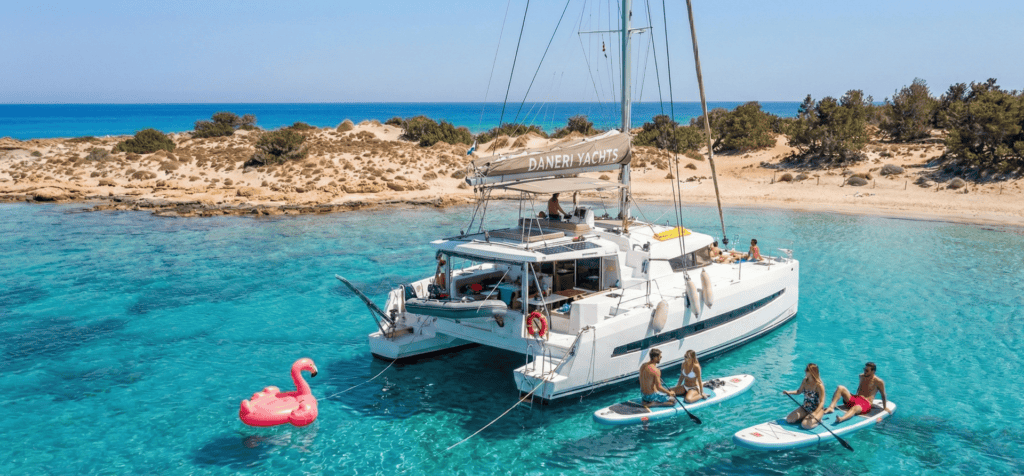
Hora Sfakion sits like a jewel at the edge of Crete’s untamed south coast, where whitewashed tavernas tumble down to a working fishing harbour and ferries depart daily for the remote islands of Gavdos and Spinalonga. This authentic village, 72 kilometres south of Rethymno, serves as the vital gateway for trekkers heading to the Samaria Gorge whilst simultaneously offering its own quiet Mediterranean magic for travellers seeking escape from the crowded northern beaches. The waterfront pulses with the genuine rhythms of Cretan life—fishermen mending nets, local catch arriving on ice, and the aroma of grilled octopus drifting across the harbour at dusk. Hora Sfakion remains one of the few places on Crete where tourism enhances rather than replaces the authentic character of a village.
Want a quick answer? Message us on WhatsApp or fill in our trip-planning form — we reply the same day.
Why Hora Sfakion Deserves Your Time
Hora Sfakion occupies a unique position in Crete’s geography and culture, sitting at the terminus of the legendary Samaria Gorge trek—arguably Europe’s most famous canyon hike at 16 kilometres long and dropping 1,250 metres in elevation. The village itself, with a population of around 150 residents, sits tucked into a horseshoe bay, surrounded by the grey Lefka Ori (White Mountains) that rise dramatically behind it like a natural amphitheatre. The coordinates 35.2444°N, 24.0944°E place it on a coastal stretch so remote that until the 1960s, the only access was by sea or on foot along mountain paths. Today, a winding road descends through pine forests and olive groves, arriving at a place that feels genuinely removed from time, despite its crucial role as a transport hub and trekking destination.
The fishing harbour here remains the lifeblood of daily existence. Each dawn, boats equipped with nets depart for waters rich with sea bream, grouper, and squid. By mid-morning, the catch arrives—this is where Crete’s most celebrated seafood restaurants source their daily specials, and visitors can eat fish caught within hours of their meal. The quay bustles with activity during morning hours: fishmongers sorting their catch on marble slabs, locals haggling over prices, and taverna owners selecting specimens for the evening service. This authentic working harbour, undiluted by souvenir stalls or tourist kitsch, sets Hora Sfakion apart from manufactured seaside resort towns.
Beyond its function as a gateway, Hora Sfakion offers genuine beach access and water activities that remain uncrowded even during peak summer months. The main town beach, though pebbly, provides direct swimming access from the waterfront, with water temperatures reaching 25°C in August and remaining warm until October. The entire bay enjoys crystal clarity—visibility regularly exceeds 20 metres—making it exceptional for snorkelling along the rocky outcrops to either side of the harbour. Several small tavernas operate directly on the beach, allowing you to transition seamlessly from swimming to lunch without leaving the shoreline.
The village’s role as the jumping-off point for Samaria Gorge treks creates a particular atmosphere in early morning hours. At 6:00 AM, the quay becomes a hive of coordinated activity: tour groups assembling with their guides, ferry boats preparing to depart for Agia Roumeli (the gorge’s terminus, 11 kilometres across open sea), and experienced trekkers checking their water supplies. This twice-daily ritual—morning departures and afternoon arrivals—gives Hora Sfakion a rhythm unlike most Cretan villages. Even if you don’t trek the gorge, witnessing this organised adventure provides memorable insight into how geography shapes local commerce and culture.
The Samaria Gorge Ferry: Gateway to Europe’s Greatest Canyon
How the Ferry System Works
The ferry boats from Hora Sfakion operate as the essential final leg of the Samaria Gorge experience. After trekking 16 kilometres downhill through the canyon for 5–7 hours, exhausted hikers emerge at the small beach village of Agia Roumeli, which sits at the gorge’s southern mouth but has no road access. From here, ferries provide the only exit: a scenic 11-kilometre sea journey back to Hora Sfakion, taking approximately 45 minutes depending on sea conditions and the specific boat. The journey itself offers magnificent views—you’ll sail along Crete’s dramatic south coast, spotting the vertical rock faces and hidden coves that make this coastline so dramatic. Regular ferry operators include ANENDYK and Sfakia Lines, with boats departing between 2:00 PM and 6:00 PM daily during the trekking season (May through October).
Ferry costs run €16–20 per person, one-way, though these prices rise slightly during peak summer weeks. Booking is advisable during July and August when multiple tour groups converge on the gorge simultaneously. Most tour operators pre-book ferry seats as part of their Samaria packages, but independent trekkers can purchase tickets directly at the Hora Sfakion harbour office on the morning of departure. The boat operators offer a small selection of soft drinks and snacks on board, though prices are elevated—it’s sensible to carry your own supplies if budget-conscious. Life jackets are provided, and the maritime police conduct occasional safety checks, making this a properly regulated service despite its remote setting.
The ferries operate only during daylight hours and don’t depart if sea conditions deteriorate beyond safety thresholds—this matters if you’re planning a gorge trek, as rough seas (occasionally occurring in June or September) can necessitate remaining overnight in Agia Roumeli. Rather than improvised accommodation, Agia Roumeli’s handful of family guesthouses (€60–90 per night) provide basic but adequate rooms, most with shared bathroom facilities. The village’s three small tavernas serve fish-based dinners for €18–28 per person, though menu options are limited to what supplies arrive by boat. If you’re trekking independently rather than on an organised tour, building a contingency day into your itinerary is prudent.
Many visitors combine their Samaria Gorge ferry experience with multi-day tours from Crete, which coordinate transport, ferry bookings, and overnight accommodation into seamless itineraries. This removes logistical uncertainty and allows you to focus entirely on the physical challenge of the trek itself, knowing that professional operators have managed all the moving parts.
Beyond Samaria: Ferry Routes to Gavdos and Surrounding Islands
Hora Sfakion serves as the ferry hub not only for Samaria Gorge trekkers but also for access to Gavdos Island, the southernmost point of Europe and arguably the most remote inhabited Greek location. The ferry to Gavdos departs three times weekly (Tuesday, Thursday, Saturday) at 8:00 AM, arriving after a 2.5-hour sea journey that can be moderately rough depending on seasonal conditions. The return ferry departs Gavdos at 1:00 PM the following day, meaning you must commit to at least an overnight stay. The €22 return fare provides access to an island with perhaps 50 permanent residents, a single small hotel (Rooms Marsa, €70 per night), basic taverna facilities, and beach sand so fine and white it resembles icing sugar.
Gavdos appeals to a specific type of traveller: those seeking genuine isolation, desert-island experiences, and bragging rights for reaching Europe’s southernmost settlement. The island’s main village, Kastri, clusters around a small harbour; its only road leads to Sarakiniko Beach, 5 kilometres distant, a pristine arc of sand where you’ll often find yourself completely alone even in August. Mobile phone reception is intermittent, there are no shops beyond one small general store, and electricity arrives only in evening hours. This extreme remoteness attracts adventurous spirits and those genuinely seeking digital detox. The ferry journey itself, crossing the Libyan Sea, provides magnificent views of Crete’s coastline receding northward and occasionally affords dolphin sightings.
Secondary ferry services from Hora Sfakion connect less regularly to Sougia (€9, 50 minutes) and Paleochora (€13, 1.5 hours), both authentic south-coast villages with their own beaches and tavernas. Sougia, 20 kilometres west, retains a bohemian character with numerous small guesthouses (€65–110 per night) and attracts primarily independent European travellers rather than package tourists. Paleochora, further west still, offers more comprehensive accommodation and restaurant options whilst maintaining its fishing-village credentials. These secondary routes operate daily during summer months, providing flexibility for exploring the entire south coast without returning to central Crete.
Tavernas, Seafood, and Dining on the Waterfront
The tavernas of Hora Sfakion represent perhaps the finest expression of authentic Cretan coastal dining—simple, ingredient-focused, and entirely dependent on what boats brought to harbour that morning. Taverna Stamna, situated directly waterfront with tables on the working quay, epitomises this tradition. Owner Giorgos and his wife prepare grilled octopus (€18/kg), fresh fish of the day (€16–22/kg depending on species and availability), and their house speciality: tiny smelts fried whole with lemon (€12). The simplicity is intentional—fish here needs no elaborate preparation when it’s this fresh. The view whilst eating encompasses fishing boats returning, children playing on the beach, and the Lefka Ori mountains catching the sunset’s golden light.
Taverna Xenia, positioned at the eastern end of the waterfront near the ferry office, maintains similarly high standards with a slightly larger menu. Their whitebait saganaki (fried whitebait with feta cheese, €14) rivals any dish on Crete, whilst their grilled swordfish (€20) arrives thick-cut and perfectly executed. The interior dining room, decorated with fishing nets and maritime photographs, fills with locals during winter months—a reliable indicator of genuine quality and fair pricing. Main courses generally range from €12–28, with seafood platters for two (€50–65) providing exceptional value when combining grilled fish, octopus, and crustaceans. Wine comes from local producers, with house white and rosé available for €4–6 per glass.
The smaller establishments merit equal attention. Taverna Soulis occupies a modest corner location with perhaps eight outdoor tables, run by a taciturn fisherman-turned-cook who prepares exactly what he caught that morning—you have no choice of menu, merely acceptance of whatever represents peak quality from that day’s haul. This restriction transforms dinner into genuine surprise and adventure; you might receive glistening grouper fillets, an unusual white fish unavailable elsewhere, or simply magnificent grilled squid. Prices prove remarkably fair (€13–18 per main course), and the experience—eating exactly what locals eat, prepared by someone whose fishing boat remains visible from your table—encapsulates Hora Sfakion’s authenticity. Reservations prove essential during July and August; inquire at your accommodation for the current reservations protocol.
Vegetarian and non-seafood options exist but aren’t the focus of local cuisine. Most tavernas offer excellent Greek salads (€9), boiled greens in olive oil (€8), and simple pasta dishes (€10–13), but to visit Hora Sfakion without embracing seafood represents a missed opportunity. If dietary preferences preclude fish, Rethymno or Chania, 90 and 100 kilometres distant respectively, offer far greater choice. For those embracing local culture, however, surrendering to the daily seafood reality becomes part of the experience’s magic. Dinner typically commences around 8:00 PM; earlier seating remains difficult unless you arrive before 7:30 PM, as locals and informed visitors congregate throughout the evening.
| Taverna / Establishment | Speciality Dish | Price (€) | Location | Best For |
|---|---|---|---|---|
| Taverna Stamna | Grilled Octopus (kg) | 18 | Central Waterfront | Classic Crete, Sunset Views |
| Taverna Xenia | Whitebait Saganaki | 14 | Eastern Waterfront | Local Following, Value |
| Taverna Soulis | Daily Catch (Variable) | 13–18 | Corner Location, Village Centre | Adventure, Authenticity |
| To Kima | Fish Platter (2 persons) | 58–70 | Western Quay Extension | Celebration Dinners, Groups |
| Oasis Café | Greek Coffee, Light Lunch | 4–12 | Central Square | Daytime Breaks, Coffee |
Reaching Hora Sfakion: Routes, Timing, and Transport Logistics
Reaching Hora Sfakion from central Crete requires commitment—it’s not a casual detour. From Rethymno (72 kilometres, 1.5–2 hours), the route descends via the mountain villages of Anisaraki and Spili, following a winding mountain road that gains elevation before descending sharply toward the coast. The final 15 kilometres descend 600 metres through pine forests and olive groves in dramatic switchbacks; this section, whilst scenic, should not be driven hurriedly—allow 45 minutes for the final descent. From Chania (100 kilometres, 2–2.5 hours), the journey follows the main northern road eastward toward Rethymno before branching southward on the same mountain pass. From Heraklion (160 kilometres, 2.5–3 hours), the drive extends across the island’s width, making Heraklion-based visitors more likely to visit alternative south-coast villages like Paleochora or Sougia, which are more directly accessed from the east.
Public transport exists but operates minimally. A single KTEL bus departs Rethymno daily (Monday through Friday) at 10:00 AM, arriving Hora Sfakion by 12:00 noon, with the return service departing at 1:00 PM—timing that suits Samaria Gorge ferries perfectly but provides no flexibility for leisurely exploration. The €12 fare proves economical, though the compressed timeline limits spontaneous decisions. Weekend services operate inconsistently, particularly during low season. For genuine flexibility—arriving when you choose, departing when you’re ready, and exploring surrounding villages without constraint—private vehicle hire becomes essential. Daily car rental from Rethymno costs €40–65 depending on season and vehicle class; this investment repays itself through the ability to control your schedule and potentially visit multiple south-coast settlements (Sougia, Agia Roumeli’s mountain approaches, and potentially even Paleochora) within a single excursion.
Optimal routing from northern Crete involves departing Rethymno by 8:00 AM, driving the mountain pass in morning light when mountain views prove most dramatic and the switchback descents are safest. This timing allows arrival in Hora Sfakion by 10:00 AM, permitting a morning swim, early lunch at a waterfront taverna, and afternoon coffee or relaxation before the evening meal. If coordinating with Samaria Gorge trekkers, departure logistics are reversed: early morning departure from Hora Sfakion via ferry to Agia Roumeli, then northbound return by evening. Overnight stays prove rewarding; most visitors remain satisfied with single nights, though a two-night stay allows genuine relaxation without time pressure. The drive itself—particularly the final descent through mountain scenery—constitutes a destination experience rather than merely transit. Early morning and late afternoon light transform the switchbacks into photographic opportunity; midday heat makes the exposed road sections less pleasant for unhurried driving.
Accommodation: Where to Sleep in Hora Sfakion
Hora Sfakion’s accommodation options reflect its authentic character—modest family guesthouses and small hotels rather than sprawling resorts. Rooms Oasis, the village’s primary hotel, occupies a waterfront position with 12 simply furnished rooms (€85–130 per night depending on season), most offering harbour views. The proprietor’s family operates Taverna Stamna downstairs, ensuring breakfast involves fresh pastries and excellent Greek coffee. Rooms are adequately comfortable though utilitarian—expect whitewashed walls, ceramic tile floors, basic furniture, and shower-only bathrooms. The genuine advantage is location: opening your window to the morning fishing activity, walking directly downstairs for dinner, and inhabiting the village’s authentic rhythm rather than isolating yourself in a resort compound. July and August booking requires advance reservation; shoulder season (May, June, September, October) often allows same-week bookings or walk-in accommodation.
Alternative family guesthouses cluster throughout the village. Rooms Sfakia, operated by a local family, offers five rooms (€70–95) set back from the waterfront in a small garden, providing quieter retreat whilst remaining village-central. The proprietor’s wife prepares simple but excellent breakfast (€8), featuring homemade loukoumades (fried pastries with honey) that locals queue for during summer months. Rooms Hora Sfakion, the village’s smallest option with three rooms (€65–85), suits independent travellers seeking minimal services and low-key accommodation. Each option maintains standards of cleanliness and pleasant hospitality despite modest infrastructure. Air-conditioning exists in many rooms, though evening sea breezes often render mechanical cooling unnecessary. WiFi connectivity ranges from non-existent to unreliable—don’t visit expecting seamless digital connectivity.
The absence of large hotel chains reflects village character deliberately maintained through local planning restrictions. This preservation strategy sustains Hora Sfakion’s authenticity but limits total bed capacity—during peak summer weeks, accommodation can fill completely, particularly when large Samaria Gorge tour groups converge. Booking 7–10 days in advance for July visits is prudent; September and October allow more spontaneity. If Hora Sfakion’s options fill, Sougia (20 kilometres west) offers substantially more accommodation (15+ guesthouses and two small hotels, €60–120 per night) with equivalent authentic character but greater availability. Paleochora (further west still) provides even more options. These secondary options remain accessible by ferry from Hora Sfakion itself, allowing flexible exploration across the entire south coast.
💬 Chat on WhatsApp — Plan Your Trip
Frequently Asked Questions
Is Hora Sfakion suitable for families with young children?
Hora Sfakion welcomes families, though the pebble beach and calm harbour waters suit swimmers of all ages. The Samaria Gorge trek itself is unsuitable for children under 10 and those without good fitness levels. The village’s laid-back pace, absence of nightlife, and simple taverna atmosphere appeal to families seeking authentic Mediterranean experience rather than resort animation. Childcare exists minimally; it’s a destination for self-sufficient family groups rather than those requiring extensive children’s services.
What’s the best time to visit Hora Sfakion?
May through October offers reliable weather and open ferry services; June and September provide optimal balance between warm water (22–24°C) and fewer crowds than July–August. If hiking Samaria Gorge, avoid June when terrain can be dusty and water scarce. October provides warm seas (21°C), comfortable daytime temperatures, and dramatically reduced tourist numbers—arguably the finest month for relaxed exploration. Winter months (November–April) see occasional ferry cancellations due to rough seas, and several tavernas close.
Can I visit Hora Sfakion without hiking the Samaria Gorge?
Absolutely. The village itself offers swimming, snorkelling, seafood dining, and genuine Cretan coastal experience independent of gorge trekking. Ferry trips to Gavdos Island or secondary villages like Sougia provide water-based adventure without strenuous hiking. The working harbour, mountain scenery, and slow pace appeal equally to relaxation-focused visitors. The village serves multiple purposes; Samaria Gorge trekking merely represents one available activity.
Are credit cards accepted in Hora Sfakion?
Partial acceptance. Rooms Oasis and larger tavernas accept cards, but smaller guesthouses and village shops operate cash-only. The village has no ATM; the nearest cash machines operate in Rethymno (72 kilometres) or Chania (100 kilometres). Arrive with sufficient euros in notes to cover meal and accommodation costs without assumption of card acceptance. This cash-based reality reinforces the village’s separation from digital commerce.
How rough are the seas, and when might ferries be cancelled?
Seas typically remain manageable (slight to moderate swell) May through September; October can see rougher conditions. Winter months occasionally produce heavy swells that necessitate ferry cancellations—potentially lasting several days. If your itinerary depends on specific ferry departures (particularly for Gavdos), schedule visit windows earlier in autumn to minimise cancellation risk. Local accommodation providers maintain updated information regarding maritime conditions and cancellation probability.
Insider Tips: Discovering Hora Sfakion’s Genuine Secrets
Visit Hora Sfakion during November or early May, not because of superior weather necessarily, but because the village reclaims its authentic rhythm after tourist season’s amplification. During these shoulder months, taverna owners prepare meals for locals rather than amplified tourist expectations; fishermen outnumber visitors on the quay, and conversations in Greek replace multilingual menus. The water temperature hovers at a marginal 19–20°C, deterring casual swimmers, yet those willing to embrace bracing sea swims experience extraordinary solitude—you might find yourself alone on the beach during midday. These periods also reveal working harbour reality; you’ll witness boats departing before dawn, spending entire days at sea, and returning laden with catches that become that evening’s taverna specials. This authentic working-village atmosphere, invisible during peak summer, fundamentally differs from the sanitised tourism experience.
Establish genuine connection with one taverna operator, ideally during multiple evenings, and you’ll receive invitations to meals unavailable on standard menus. A fisherman-proprietor might offer his morning catch—perhaps a fish caught yesterday that proved insufficiently spectacular for public display but remains exceptional—prepared exactly as he’d cook for family. These informal meals, often consumed sitting at the bar with the proprietor’s family, local fishermen, and accidental witnesses to genuine Cretan hospitality, create memories no organised tour produces. The proprietor of Taverna Soulis, upon recognising returning customers, occasionally presents plates of octopus or smelts as gifts, refusing payment entirely. This generosity flows from cultural norms of philoxenia (Greek hospitality) that persist in places where tourist transaction hasn’t entirely replaced genuine human connection.
Walk the village’s periphery during golden hour (the hour preceding sunset), particularly along the western extension where fishing boats rest moored between excursions. The light at this hour transforms grey limestone into honey-coloured stone; the water reflects impossible blues and purples; and the mountains behind the village gain three-dimensional depth. Few tourists venture this direction; you’ll encounter local families, children playing ball, and fishermen conducting minor repairs to boats and equipment. This peripheral exploration reveals the village’s domestic reality—washing hanging between buildings, elderly residents socialising on benches, children attending to small daily tasks—rather than the waterfront theatre presented to visitors.
Time a taverna dinner to coincide with the evening fishing boats’ arrival (typically 5:00–7:00 PM depending on season), requesting to observe the catch as it’s unloaded. Taverna owners frequently permit this, recognising that tourists appreciate understanding the morning-to-table journey. You’ll witness ice-laden crates disgorged onto the marble slab, fish sorted by species and size, negotiations between boat crews and taverna proprietors, and the genuine commerce that sustains the village. This unfiltered observation—fishermen’s voices, prices discussed in rapid Greek, the pungent aroma of the sea and its harvest—connects tourists to the actual economic and cultural systems supporting the picturesque dining experience. Few visitors invest the time for this observation; those who do emerge with profoundly deepened appreciation for local culture.
Budget Breakdown: Costs and Financial Planning for Hora Sfakion
A realistic daily budget for Hora Sfakion based on mid-range comfort: accommodation €85–120, meals €35–50 (combining lunch and dinner at local tavernas), ferry costs €16–20 if utilising regional transport, and miscellaneous expenses €10–15. This yields approximately €150–200 per person per day for self-catering visitors, increasing to €200–280 if including tours, additional activities, or upmarket dining choices. Budget travellers accepting shared bathroom facilities (€60–70 nightly accommodation), eating one primary meal daily and lighter lunch options, and avoiding supplementary activities might reduce daily expenditure to €110–140 per person. These calculations assume independent travel; organised tours through established operators naturally command markups reflecting guide fees, transport coordination, and booking security.
Specific expenses merit itemisation: a main course seafood meal typically ranges €14–28 depending on fish species and preparation complexity, with vegetable sides and salads €8–12, appetisers €9–16, and house wine €4–6 per glass. Breakfast in accommodation guesthouses costs €6–10; independent café consumption (Greek coffee, pastries) might reach €7–10. Ferry journeys cost €16–20 for primary Agia Roumeli route, €22 for Gavdos return journeys, and €9–13 for secondary destination ferries. Accommodation within family guesthouses ranges €65–130 depending on season and room quality; July–August represents premium pricing, whilst May, June, September, and October offer 20–30% reductions. These price fluctuations stem from genuine seasonal demand rather than peak-season pricing manipulation; shoulder season availability and affordability exceed high-season expense.
Advance booking recommendations differ from many Crete destinations. Unlike Rethymno or Chania where late booking risks superior accommodation unavailability, Hora Sfakion’s modest total accommodation capacity means advance booking becomes essential only during absolute peak weeks (mid-July through mid-August). For May, June, September, and October, flexible booking—contacting proprietors 3–5 days in advance—generally secures preferred options. Payment typically occurs on-site in cash; proprietors occasionally offer minor discounts (€5–10) for cash payment versus card processing. This cash-based economy reflects village size; expect no negotiation on published rates, but simple cash transactions frequently prove more economical than card alternatives involving bank processing fees.
| Expense Category | Budget Option (€) | Mid-Range (€) | Comfortable (€) | Notes |
|---|---|---|---|---|
| Accommodation (nightly) | 60–70 | 85–110 | 120–160 | Shared facilities to en-suite; July–Aug premiums apply |
| Main Meal (dinner) | 12–16 | 18–26 | 28–40 | Fish prices vary by daily availability; premium catch = higher cost |
| Lunch / Light Meals | 8–12 | 12–18 | 18–28 | Café meals, Greek salad, simple pasta options |
| Ferry Transport | 16–20 | 16–22 | 22–44 | Primary route €16–20; Gavdos round-trip €22; multiple ferries accumulate |
| Activities / Excursions | 0 | 30–60 | 100–200 | Snorkelling trips €40–60; guided hikes €60–100; self-guided zero cost |
| Daily Total (per person) | €96–118 | €161–237 | €288–472 | Excludes car hire; includes basic activities allowance |
Extending Your South Coast Experience: Combining Destinations
Hora Sfakion functions optimally as the central point within a broader south-coast exploration encompassing Sougia (20 kilometres west, 45-minute ferry journey), Agia Roumeli (11 kilometres east by sea, 45 minutes), and potentially Paleochora (40 kilometres west, 1.5-hour ferry journey). A five-day south-coast itinerary might structure as follows: Day One—arrival and relaxation in Hora Sfakion, waterfront dinner and harbour exploration; Day Two—early morning ferry to Gavdos Island for the full day, overnight return; Day Three—relaxed morning swim and café time before afternoon ferry to Sougia, evening meal and local exploration; Day Four—full-day hike from Sougia toward the nearby village of Omalos (5–6 hours moderate hiking through mountain terrain) with return to accommodation, or water-based snorkelling exploration along Sougia’s coastline; Day Five—ferry return to Hora Sfakion with final afternoon and evening for reflection before departure. This framework embraces authentic Cretan geography—moving between settlements naturally accessible by water, thereby experiencing authentic transport patterns that defined south-coast life for centuries.
Alternatively, integrate Hora Sfakion within a broader Crete experience spanning both coasts. A 10-day itinerary might allocate 2–3 days to Hora Sfakion following arrival at northern airports (Heraklion or Rethymno), incorporating Samaria Gorge experience, then continuing westward to Paleochora or eastward toward the Dikti Mountains and remote villages like Zaros. This flexibility emerges when renting private vehicles, which enable spontaneous adjustment based on local recommendations, weather conditions, and emerging interests. The village’s location at Crete’s southwestern extremity positions it ideally for south-coast experiences or as a dramatic transition point between coastal and mountain exploration. Consider also combining Hora Sfakion with Crete private tours, which allow customised itineraries tailored to your interests whilst managing logistical complexity that independent travel sometimes necessitates.
Ferry connections enable week-long itineraries combining multiple south-coast settlements without returning to northern Crete. Enthusiastic trekkers might incorporate Hora Sfakion as the base for multi-day gorge experiences: Day One—Samaria Gorge descent with evening arrival in Hora Sfakion; Day Two—rest and relaxation with waterfront meals; Day Three—alternative ferry excursion to Gavdos or Sougia providing complementary water-based adventure. This micro-adventure format appeals to travellers seeking cumulative diverse experiences within limited timeframes. The south coast’s distinct character from northern Crete—rougher, less developed, more authentically Mediterranean—justifies extended stays; two days constitutes minimum for genuine appreciation, whilst a week permits deep relaxation and multiple discovery iterations.
Practical Essentials: What to Pack and How to Prepare
Packing for Hora Sfakion requires consideration of its remote coastal character and variable accommodation standards. Essentials include: swimsuit and snorkelling equipment (though basic snorkels can be hired for €5), sun protection (SPF 50+ given intense Mediterranean UV and water reflection), hat or cap, lightweight cotton clothing for warm days and a simple fleece or thin jacket for cool evenings (sea breezes can lower temperatures by 10–15°C after sunset), comfortable walking shoes for uneven waterfront surfaces and village exploration, water bottle (refillable from accommodation taps), basic medications (paracetamol, antihistamine, anti-diarrhoea medication), and importantly, cash in euros with modest quantities of small notes for taverna payments and tips. The village has no pharmacy; serious medical requirements necessitate Rethymno or Chania, 60–90 minutes distant.
Accommodation infrastructure warrants realistic expectations. Hot water supply proves reliable but sometimes limited; shower facilities are functional rather than luxurious; air-conditioning varies by room; and WiFi connectivity ranges from non-existent to unreliable. Pack accordingly without expectation of resort standards. Bring lightweight toiletries as options are limited; a small pharmacy in the village centre stocks basics but prices are elevated (€2–3 for items costing €0.80–1.00 in Rethymno). Bring reading materials—books, e-readers, or journals—as entertainment options centre around dining, swimming, and conversation rather than commercial attractions. Mobile phone connectivity functions adequately via standard Greek networks (Cosmote, Vodafone, Wind) for essential communications, though high-speed internet for streaming video or large file uploads proves unrealistic.
If planning Samaria Gorge hiking, specific gear becomes essential: proper hiking boots (broken-in prior to arrival), moisture-wicking socks, compression shorts or leggings, moisture-wicking shirt, lightweight wind-resistant jacket, wide-brimmed hat, sunglasses with UV protection, and substantial water capacity (3–4 litre hydration system). Many hikers hire walking poles from Rethymno or Chania before departure (€10–15) rather than carrying them through airports. The 5–7 hour descent challenges knees and ankles particularly; blisters represent the most common hiking injury. Talcum powder, moleskin blister prevention tape, and anti-blister medications should be packed before arrival. Physical conditioning through walking 5–10 kilometres daily for 2–3 weeks prior to arrival substantially improves hiking comfort and reduces injury risk. The gorge remains accessible to reasonably fit individuals without prior mountaineering experience, yet underestimating physical demand represents the most common mistake.
Planning a private trip to Crete? 105 Olives Greece designs tailor-made luxury experiences. Explore more Crete travel guides →
