

Crete’s olive oil estates offer authentic experiences far beyond a bottle on a shelf. During harvest season, estate visits combine hands-on picking, small-batch tastings, and meals paired with the year’s freshest oils—creating memories that define luxury travel to this Mediterranean island.
Why Crete Is Europe’s Olive Oil Capital
Crete produces roughly 30% of Greece’s olive oil despite covering only 8% of its land area. This isn’t coincidence—the island’s limestone soil, cool mountain winters, and 300 days of annual sunshine create ideal conditions for early-harvest Koroneiki olives, which yield some of the Mediterranean’s most complex, peppery oils. When you book an olive oil tour Crete through a knowledgeable operator, you’re accessing centuries of family farming expertise that rarely appears in mainstream tourism. The island’s oil-making heritage runs deeper than hospitality—it’s cultural survival. Families have stewarded the same groves for generations, and many now welcome visitors as a way to sustain their craft while sharing its story directly.
Estate Visits: What Happens Behind the Gates
A genuine estate visit is structured around three phases: grove orientation, the milling process, and tasting. Upon arrival at a family property—typically in regions like Vafes, Rethymno, or the Messara plain—your host walks you through their specific grove, explaining harvest timing, pest management, and the difference between mechanical and handpicked olives. This isn’t rehearsed speech; farmers answer real questions about yield, weather stress, and whether early harvest truly means better flavor. The milling phase is where olive oil tour Crete experiences separate from casual visits. You’ll see olives moving from collection bins into the crusher, watch the paste being malaxed (slowly churned to release oil droplets), and observe the centrifuge separating oil from water. The aroma alone—peppery, grassy, almost aggressive in its freshness—becomes unforgettable. Finally, tasting begins in a quiet room, usually around midday. Farmers serve their oil in small white cups, pairing it alongside bread, raw vegetables, or cheese. They’ll guide you through sensory cues: the peppery finish that catches your throat (a sign of antioxidant polyphenols), the grassy or herbaceous notes, the subtle nuttiness or fruity undertones. This final phase is where most clients report genuine surprise—the gap between grocery-store oil and fresh, single-estate oil is stark.
| Estate Visit Element | Duration | What’s Included |
|---|---|---|
| Grove Tour & Education | 30-45 mins | Harvest timing explanation, soil & climate discussion, tree biology |
| Milling Process Observation | 45-60 mins | Full facility access, crusher demo, malaxing explanation, centrifuge viewing |
| Oil Tasting & Pairing | 60-90 mins | 3-5 oils tasted blind, sensory guide, food pairing, farmer Q&A |
| Lunch (optional add-on) | 90-120 mins | Local meze, fresh cheese, bread, wine, olive oil-cooked dishes |

Harvest Season Timing and What to Expect
Crete’s olive harvest runs from late September through early December, with the peak window for visitors spanning October and November. Early-harvest olives (picked before full ripeness) deliver peppery, vibrant oils with herbal notes; late-harvest oils tend toward buttery, roasted profiles with lower acidity. The choice between early and late harvest often reflects a farm’s philosophy. Progressive estates in the Vafes valley and near Chania opt for early harvest, knowing international competition rewards complexity and antioxidant density. Conservative family operations in the Messara plain sometimes favor late harvest for yield and mild flavor profiles suited to everyday cooking. During October, you may observe actual picking if you’re on-site early morning. Families still hand-harvest premium fruit, placing olives in wooden crates to prevent bruising. Mechanical harvesting (used for oil intended for bulk export) happens simultaneously on larger plots, but the hand-picked narrative is where premium estates focus their storytelling. This is also when mills run day and night—the smell of crushing olives permeates entire villages. Book your olive oil tour Crete during October if you want to experience the full sensory and cultural immersion.
Comparing Estate Experiences: Quality Tiers and Price Points
Not all estates are equal, and pricing reflects labor intensity, farm size, and hospitality infrastructure. A small family operation (under 20 hectares) typically charges €45-75 per person for a 3-hour visit including tasting and lunch. Mid-scale commercial estates (20-100 hectares) with dedicated tour facilities price at €60-100 per person, often including branded merchandise or a bottle to take home. Premium boutique estates producing under 5,000 liters annually may charge €90-150 per person but offer private groups, advanced booking with personalized itineraries, and hosted lunches by the farmer’s family. The difference isn’t arbitrary. Smaller estates invest more attention per visitor; you’ll often have direct conversation with the owner. Larger estates offer polished facilities and deeper knowledge from trained staff, but less personal intimacy. Your choice depends on travel style. Luxury travelers typically report higher satisfaction from small to mid-scale operations where the owner’s voice dominates the experience.
| Estate Category | Farm Size | Price Per Person | Group Size | Best For |
|---|---|---|---|---|
| Small Family Operation | Under 20 hectares | €45-75 | 2-8 guests | Authentic, intimate connection with farmer |
| Mid-Scale Commercial | 20-100 hectares | €60-100 | 4-12 guests | Professional facilities, broader knowledge |
| Premium Boutique | Under 20 hectares (ultra-premium) | €90-150 | 2-6 guests | White-glove service, fine dining, private booking |
| Industrial/Cooperative | 100+ hectares (shared facility) | €30-50 | 8+ guests | Budget-conscious, group tours, educational only |
Tasting Notes: Learning to Evaluate Olive Oil Like a Pro
Professional olive oil evaluation follows a structured sensory protocol. First, observe color—early-harvest oils appear green or yellow-green; late-harvest oils are golden. Color alone doesn’t indicate quality, but it’s your first visual cue. Next, smell the oil from a small white cup held at chest level, then bring it to your nose. You’re hunting for primary aromas: grass, herbs (mint, basil), almond, artichoke, or even tomato leaf. These signal freshness and quality. Finally, taste. Take a small sip and “chew” it, coating your mouth and drawing air through to aerate. Quality oils deliver a peppery or grassy finish in your throat—this sensation (called the “cough factor”) comes from polyphenols, powerful antioxidants that distinguish premium oils from oxidized or processed ones. When tasting multiple oils during an olive oil tour Crete, cleanse your palate between samples with water and plain bread. Ask the farmer about their harvest date, storage method, and acidity level. Genuine extra-virgin oil carries a <0.8% acidity rating certified by lab testing. Finally, consider context: an oil tasting excellent at a Cretan estate in November may taste different in your kitchen six months later if stored improperly. Buy oils meant for immediate use when traveling, and understand that Crete's best oils are meant for finishing—drizzling on soups, dipping bread, dressing salads—rather than cooking at high heat.
Planning Your Olive Oil Tour: Practical Logistics
Timing matters. Estates operate on flexible schedules, and many close between 2 p.m. and 4 p.m. for lunch or mid-day rest. Early morning visits (8-10 a.m.) often capture the quietest estate conditions and coolest temperatures. Transportation is essential; estates lie outside major towns, often accessed via narrow mountain roads. Driving yourself is possible but risky if unfamiliar with Cretan road conditions. A private driver or guided experience removes logistics stress entirely. Wear closed-toe shoes with good grip; milling facilities are slippery, and groves may have uneven terrain. If you have nut allergies, alert your host beforehand—some estates serve oils pressed in facilities also processing almonds or walnuts. Language is rarely a barrier; English is widely spoken at estates catering to tourists, though Greek-speaking guides enhance cultural nuance. Finally, schedule multiple estates (two per day maximum) if you want meaningful comparisons. A single deep visit beats rushed back-to-back tours. For a comprehensive olive oil tour Crete experience, plan 2-3 full days. Combine morning estate visits with afternoon activities like local cheese tastings, village exploration, or beach time.
Beyond the Estate: Pairing Oil with Cretan Food Culture
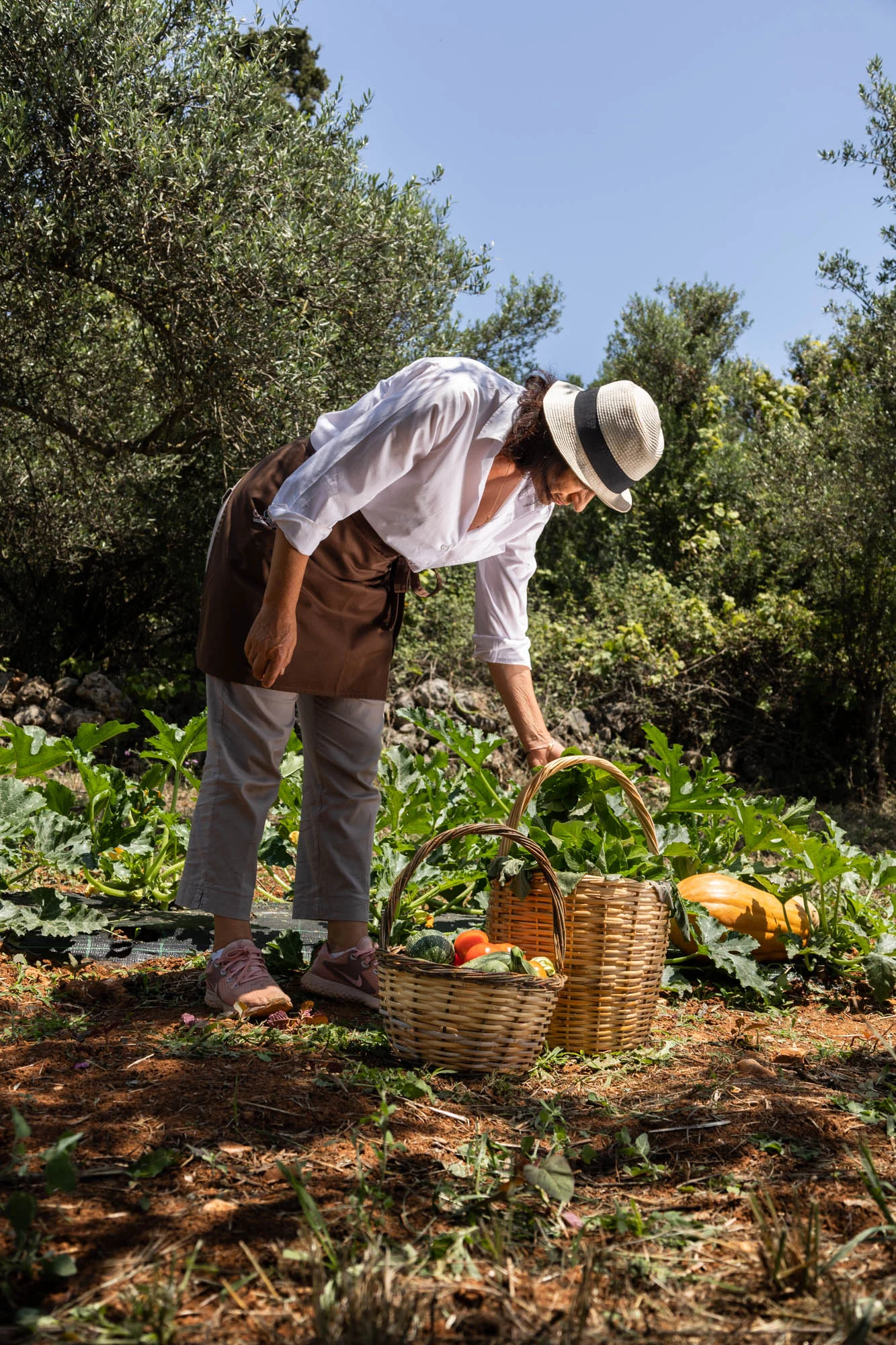
Olive oil isn’t consumed in isolation on Crete—it’s the foundation of daily eating. The Mediterranean diet isn’t a trend here; it’s the baseline. After tasting estate oils, experiencing how locals use them enriches understanding. Request to cook with the farmer’s family or book a lunch at a village taverna where the owner sources oil directly. You’ll discover that Crete’s signature dishes—dakos (barley rusks topped with tomato and oil), horta (boiled greens with oil and lemon), and saganaki (fried cheese)—all hinge on oil quality. A fresh, peppery oil transforms these humble dishes into elegant experiences. The best olive oil tour Crete operators pair estate visits with meals that showcase this pairing philosophy. This context shifts your appreciation from technical tasting notes to cultural understanding: you’re not learning about oil in a classroom, but in the living context where it belongs.
Buying and Bringing Home: What to Know About Export and Storage
Most visitors want to purchase oil directly from the estate. Prices typically range from €12-30 per liter for certified extra-virgin oil, significantly cheaper than retail markups elsewhere. Estates sell in various bottle sizes; 500ml bottles (€8-15) are practical for travelers. Be aware of export limits: the EU allows unlimited personal consumption purchases, but some countries restrict agricultural imports. Check your destination’s customs regulations before buying. Oil purchased in October or November—the earliest harvest—will remain bright and peppery for 12-18 months if stored correctly. Keep bottles in a cool, dark place away from heat and direct sunlight. Many travelers buy oil, bring it home, then forget about ideal storage. A kitchen windowsill in summer heat rapidly degrades quality. Consider smaller bottles you’ll use within months, rather than large quantities for long-term storage. Lastly, ask the estate for their harvest and milling dates. Transparency about dates is a hallmark of quality producers; if they can’t or won’t provide this information, quality is likely compromised.
Chat on WhatsApp — Plan Your Trip
Frequently Asked Questions
What’s the best time to visit an olive oil estate in Crete?
October and November during harvest season offer the most immersive experience, with active milling operations and potential hand-picking to observe. Early October captures the early-harvest peppery oils; late November features riper, buttery profiles. If visiting outside these months, estates still welcome groups, but the sense of seasonal urgency and activity diminishes.
How much does a typical olive oil estate visit cost?
Prices range from €30-150 per person depending on farm size, facilities, and inclusions. Small family operations charge €45-75; mid-scale estates €60-100; premium boutique farms €90-150. Most include the grove tour, milling demonstration, and oil tasting. Lunch and wine pairings typically add €20-40 per person.
Can I visit olive oil estates if I’m not interested in purchasing oil?
Absolutely. Estate visits are cultural and educational experiences first. Purchasing is optional, though most visitors find the oil quality compelling enough to buy at least a small bottle. Farmers welcome visitors genuinely interested in learning, regardless of purchase intent.
Is it necessary to book estate visits in advance?
Highly recommended, especially during October-November when estates manage multiple groups daily. Some small operations accept drop-ins if they’re not fully booked, but planning ahead ensures availability, private access, and sometimes personalized itineraries. Use a local operator or contact estates directly 1-2 weeks before your visit.
What should I wear to an olive
