
Crete’s most authentic experiences hide behind stone archways and on sun-bleached cobblestones that tourists rarely reach. These 10 traditional villages offer slow food, living folklore, and landscapes unchanged for centuries. A private guide transforms each one from a pretty photo stop into a full sensory immersion.
Why Cretan Villages Are Worth the Detour
Most Crete itineraries connect the obvious dots: Heraklion, Chania, maybe Rethymno. What they miss is the island’s soul — the village kafeneion where old men argue over backgammon, the grandmother who still spins wool the way her grandmother did, the church fresco that pre-dates the Renaissance. These aren’t experiences you stumble into. They require local knowledge, a flexible schedule, and someone who knows whose gate you’re allowed to knock on.
Cretan villages fall into three geographic bands: coastal villages accessible by sea, mountain villages reached by winding switchbacks, and plateau villages surrounded by olive groves and vineyards. Each type offers a distinct rhythm. Coastal villages like Loutro exist in a kind of suspended time — no cars, no rush. Mountain villages like Anogia carry a fierce pride in Cretan identity. Plateau villages like Archanes blend Venetian architectural elegance with world-class local wine.
The 10 Most Beautiful Traditional Cretan Villages
Each village in this list was chosen for three criteria: architectural integrity (original stone buildings, not concrete), living culture (real residents, working artisans, local tavernas), and visitor experience (accessible by private vehicle, worth at least 2–3 hours). Here they are, with the practical details you need.
| Village | Region | Best For | Drive from Heraklion |
|---|---|---|---|
| Archanes | Heraklion | Wine, archaeology, Venetian architecture | 20 min |
| Kritsa | Lasithi | Byzantine frescoes, traditional crafts | 70 min |
| Anogia | Rethymno/Heraklion | Cretan music, weavings, mountain scenery | 60 min |
| Spili | Rethymno | Venetian fountain, mountain walking | 90 min |
| Vamos | Chania | Eco-village, stone houses, slow food | 130 min |
| Loutro | Chania (coast) | Car-free bay, boat access only | Boat from Chora Sfakion |
| Argyroupolis | Rethymno | Ancient springs, watermills, Roman ruins | 100 min |
| Zaros | Heraklion | Mountain spring water, hiking trails | 50 min |
| Axos | Rethymno | Isolated mountain village, ancient ruins | 75 min |
| Topolia | Chania | Gorge walks, authentic taverna life | 150 min |
1. Archanes — The Village That Does Everything Right
Just 20 minutes south of Heraklion, Archanes is the village that consistently surprises visitors who expect a dusty side trip. The neoclassical mansion facades along Platia Emmanouel Koundourou have been restored with enough care to feel lived-in rather than museumified. The local wine cooperative produces some of the island’s best Vilana and Kotsifali, and you can taste both at a family-run cave winery before lunch.
The area sits at 380 meters altitude in the Archanes-Asterousia wine region, a designated PDO (Protected Designation of Origin) zone. Two Minoan palatial sites — Fourni and Anemospilia — are a short walk from the village square, and the small archaeological museum on the main street is excellent. A private guide turns the geology, the Minoan ritual sacrifice theory at Anemospilia, and the winemaking traditions into a coherent 3-hour story.
2. Kritsa — Frescoes That Predate the Louvre
Perched above the Mirambello Gulf near Agios Nikolaos, Kritsa is most famous for the Church of Panagia Kera, one of the finest examples of Byzantine fresco painting in all of Greece. The 13th–14th century frescoes cover every inch of the interior in reds, blues, and golds that have survived seven centuries with minimal restoration. Most tourists stop for 15 minutes. With a guide who explains the iconographic program — the Annunciation, the Last Judgement, the donors’ portraits — you can spend an hour.
The village itself is a center for traditional Cretan weaving. Workshops along the main street still produce hand-loomed tablecloths, runners, and bags using techniques passed down through female lineages. The market can feel touristy in summer, but the weavers themselves are genuine artisans and will demonstrate their craft if you ask respectfully.
3. Anogia — Where Cretan Identity Burns Fiercest
Anogia, at 740 meters on the northern slopes of Mount Psiloritis (Crete’s highest peak), is not a village that performs culture for visitors. It lives it. The town was burned twice by the Nazis during WWII in reprisals for resistance activity, and the Anogeiots rebuilt it with the same defiant stone. Local men still wear the traditional vraka (baggy black breeches) and sariki (black fringed kerchief) as daily wear, not costume.
The village is the heartland of Cretan lyra music — Nikos Xylouris, arguably the greatest lyra player of the 20th century, was born here. His house is still a pilgrimage site. The local tavernas serve slow-roasted lamb and anthotyros cheese that come directly from the surrounding mountain farms. A private tour to Anogia combined with the Idaion Cave (mythological birthplace of Zeus, 30 minutes further up the mountain) makes a full-day program that few visitors experience.
4. Spili — The Fountain Village of Rethymno
Spili’s signature attraction — a Venetian fountain with 25 lion heads spouting cold mountain spring water — appears in every Crete photography collection. What doesn’t appear in most photos is what surrounds it: a working mountain village with a good Tuesday market, a long main street of traditional stone houses converted into cafes and herb shops, and access trails into the Kouroupa mountain range that reward walkers with views from Psiloritis to the Libyan Sea.
5. Vamos — The Restored Eco-Village
Vamos, in the Apokoronas region between Rethymno and Chania, was one of the first villages in Greece to undergo systematic restoration as an agrotourism destination. The project, begun in the 1990s, converted derelict stone buildings into guest houses without altering the village’s architectural character. The result is a village that looks and feels genuinely traditional while offering comfortable accommodation and some of the best slow-food cooking in western Crete.
6. Loutro — The Inaccessible Village
Loutro is accessible only by boat (from Chora Sfakion, 20 minutes) or on foot via the E4 European long-distance path. No cars, no scooters, no trucks — just a horseshoe bay of turquoise water, a handful of tavernas with tables in the sea, and whitewashed houses that step up a cliff. The village has a permanent population of around 15 people. Visiting it as part of a private tour — catching an early morning boat, swimming off a quiet pebble beach east of the village, returning by afternoon ferry — is one of the genuinely special Crete experiences.
7. Argyroupolis — Built on Roman Ruins
Argyroupolis stands on the ruins of ancient Lappa, a prosperous Roman city destroyed by Crete’s Arab conquerors in the 9th century. The modern village, a few kilometers inland from the Rethymno coast, is built literally on top of Roman foundations — mosaic floors appear in cellars, Roman column drums serve as garden walls, and a necropolis with intact carved sarcophagi sits behind the main church. The springs below the village — channeled through ancient Roman aqueduct infrastructure that was never replaced — feed a series of tavernas built over the water. Eating trout at a watermill-terrace here is a dining experience without parallel in Crete.
8. Zaros — The Spring Water Village
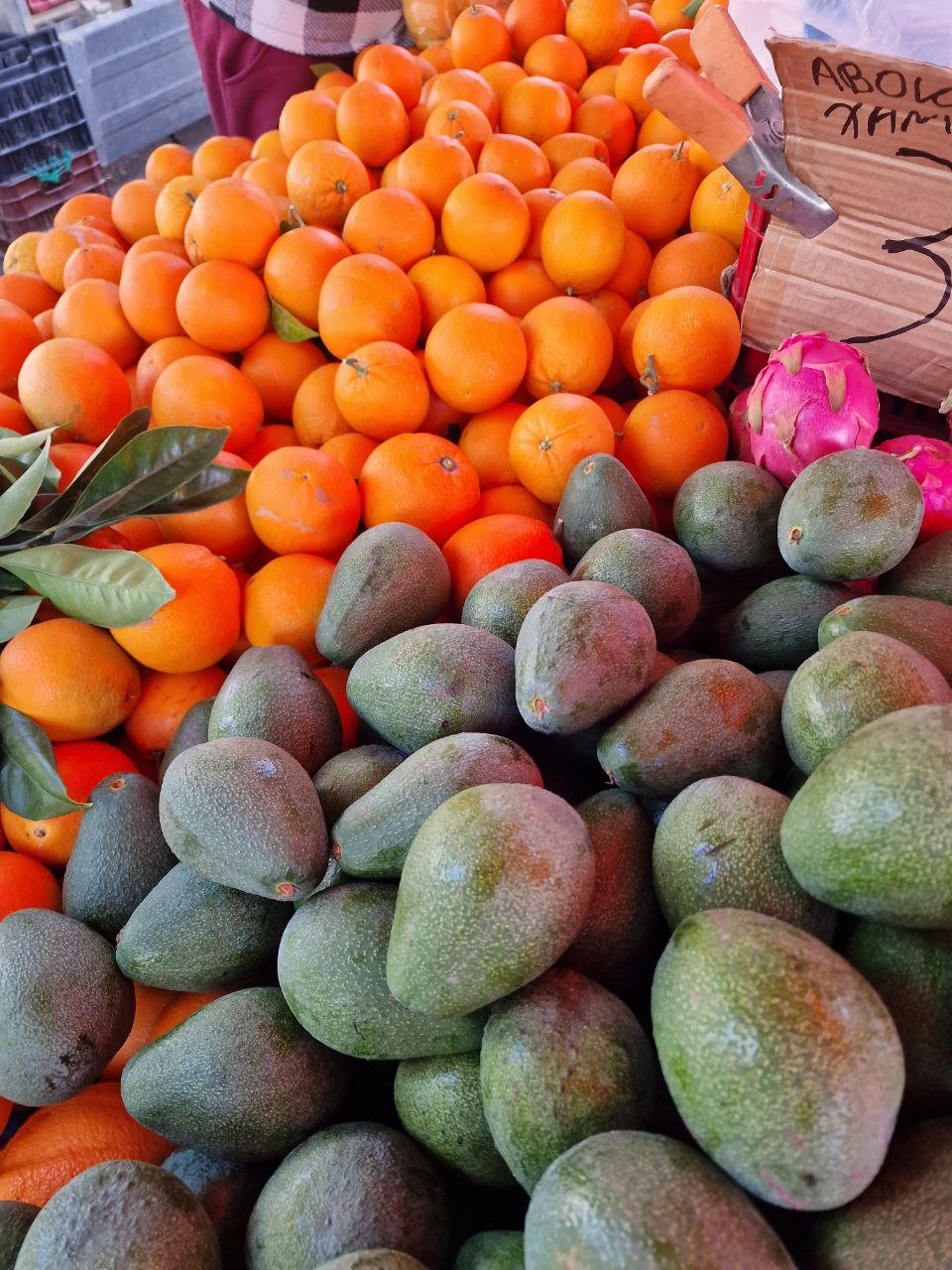
Zaros, in the Messara plain at the foot of Psiloritis, is best known as the source of Crete’s most-consumed bottled spring water — the water is so clean that the surrounding tavernas have built their entire menus around trout raised in the spring-fed pools. The village is a starting point for hikes into Rouvas Gorge, a protected nature reserve with plane trees, ancient oaks, and a 13th-century Byzantine monastery. The drive from Heraklion takes 50 minutes along roads that pass directly through the wine villages of the Archanes PDO.
9. Axos — The Mountain Village Time Forgot
Axos sits at 600 meters on the northern flank of Psiloritis, surrounded by olive groves and the ruins of an ancient Minoan and later Dorian Greek city. The modern village has perhaps 200 permanent residents and a single kafeneion. What makes it worth visiting is precisely this: nothing has been developed for tourism. The ruins of the ancient city — walls, cisterns, a Byzantine church over a classical temple — can be explored without a ticket, a fence, or another visitor in sight. Access requires a private vehicle and preferably a guide who knows the unmarked trails.
10. Topolia — Gateway to a Hidden Gorge
In the far west of Crete, Topolia sits at the entrance to the Topolia Gorge — a dramatic limestone canyon that most tourists bypass completely on their way to the more famous Samaria. The village itself is a cluster of stone houses above a river valley thick with plane trees and oleander. A Byzantine chapel carved into the gorge wall (Agia Sofia cave chapel) is accessible by a 20-minute walk from the village. Western Crete’s tourism infrastructure is thinner, which means private tours here feel like genuine discovery rather than managed experience.
Practical Guide: When to Go, What to Expect
Cretan village culture operates on its own schedule. Most villages have a primary festival tied to their patron saint’s day, a secondary festival around harvest or wine pressing, and a third period of quiet that most visitors mistake for “nothing happening.” A private guide matches your visit to local rhythms — you arrive when the kafeneion has just opened, when the weavers have finished the morning’s commission, when the market vendor is still at his table.
| Village | Best Season | Festival / Event | What to Eat |
|---|---|---|---|
| Archanes | Sept–Oct (harvest) | Wine Festival (Aug/Sept) | Archanes wine, graviera, dakos |
| Kritsa | Apr–Jun, Sept–Oct | Panagia Kera feast (15 Aug) | Hand-made pasta, local cheese |
| Anogia | Year-round | Nikos Xylouris memorial (Feb) | Slow-roasted lamb, anthotyros |
| Spili | May–Jun | Market (Tuesdays) | Mountain herbs, loukoumades |
| Vamos | Apr–Oct | — | Village breakfast, local olive oil |
| Loutro | May–Jun, Sept | — | Fresh grilled fish, sea urchin |
| Argyroupolis | Apr–Nov | — | Spring-fed trout, kalitsounia |
| Zaros | Apr–Oct | — | Lake trout, Cretan salad |
| Axos | May, Sept–Oct | — | Wild herbs, local honey |
| Topolia | Apr–Jun | Gorge blooms (Apr) | Western Crete cheese pies |
How to Experience Cretan Villages on a Private Tour
The difference between a self-drive village visit and a private guided tour is the difference between reading a Wikipedia article and having a conversation with the person who wrote it. A local guide knows which door to knock on for a home kitchen lunch, which family distills tsikoudia from their own pomace, which church is usually locked but opens for guests who ask in Greek.
105 Olives Greece private village tours are built around your travel style: a full-day circuit combining two or three villages with a market stop and a winery lunch, or a slow half-day focused on one village in depth. Groups are small by design — maximum 6 people — because traditional village life doesn’t scale well. The guide is from Crete, knows the families, speaks the dialect.
Routes can be combined with other experiences: morning at Archanes, afternoon swim at Matala beach, sunset over the Messara plain. Or Anogia for lyra music and cheese, then the Idaion Cave and Nida Plateau for altitude and panorama. The point is that no two village days are the same, and the best ones happen when the guide knows the place well enough to improvise.
Chat on WhatsApp — Plan Your Village Tour
Frequently Asked Questions
Which Cretan village is best for a half-day visit from Heraklion?
Archanes is the easiest: 20 minutes from the city center, compact enough to walk in 2 hours, with excellent wine and a small archaeology museum. Kritsa works equally well if you’re staying near Agios Nikolaos.
Do I need a guide to visit Cretan villages, or can I go independently?
You can self-drive to any village on this list except Loutro (boat only). However, a guide unlocks the parts that aren’t on signs: the winery where you can taste off-vintage bottles, the local artisan who doesn’t have a shop, the shortcut trail to the Byzantine chapel. For a first visit to Crete, a guide makes the difference between a pleasant drive and a lasting memory.
What is the best village to experience authentic Cretan food?
Argyroupolis and Anogia are outstanding for food authenticity. Argyroupolis for its spring-water trout tavernas and traditional kalitsounia cheese pies. Anogia for slow-roasted mountain lamb and anthotyros fresh from local flocks. Both are working food communities, not tourist restaurants with a Cretan menu.
Are Cretan mountain villages accessible in winter?
Most are, but conditions vary. Anogia and Axos can receive snow from December through February, and mountain roads are occasionally closed after heavy snowfall. Coastal villages like Vamos and Argyroupolis stay mild year-round. Winter visits to mountain villages have their own appeal — a kafeneion fire, no other visitors, the landscape stripped back to rock and olive — but require flexibility and local knowledge.
How many villages can I visit in one day?
Two villages comfortably, three if they’re geographically close and you keep one visit brief. The temptation to hit five in a day always results in none of them landing properly. We recommend one primary village (2–3 hours) and one secondary stop (1 hour) with a proper lunch in between.
Planning a private Crete itinerary that goes beyond the guidebook? 105 Olives Greece builds tailor-made experiences around the real Crete — villages, wine, archaeology, and food, all with a local expert beside you.
Explore more Crete travel guides →
