
Crete’s most remarkable places are not in any guidebook. The island holds secret gorges, abandoned villages, pink-sand coves and ancient ruins that 95% of visitors never find — because finding them requires a local who has spent years learning where the road ends and the real Crete begins.
Why Most Visitors Miss the Best of Crete
The tourist trail in Crete runs between Knossos, Elafonisi and the Samaria Gorge — three places genuinely worth seeing, but shared with thousands of people on any given summer day. The island has 260 km of coastline, four mountain ranges, over 3,000 villages (most of them empty), and a history that goes back 9,000 years. The crowd-free version of Crete exists — it just takes someone who knows it personally to take you there.
A private guided tour in Crete is the only practical way to reach many of these places. Some require local knowledge to navigate safely: mountain tracks without road signs, sea caves accessible only by kayak in the right weather, village churches where the key is held by a shepherd who returns at noon. Group tours cannot adapt. A private guide can.
Hidden Beaches Almost Nobody Knows
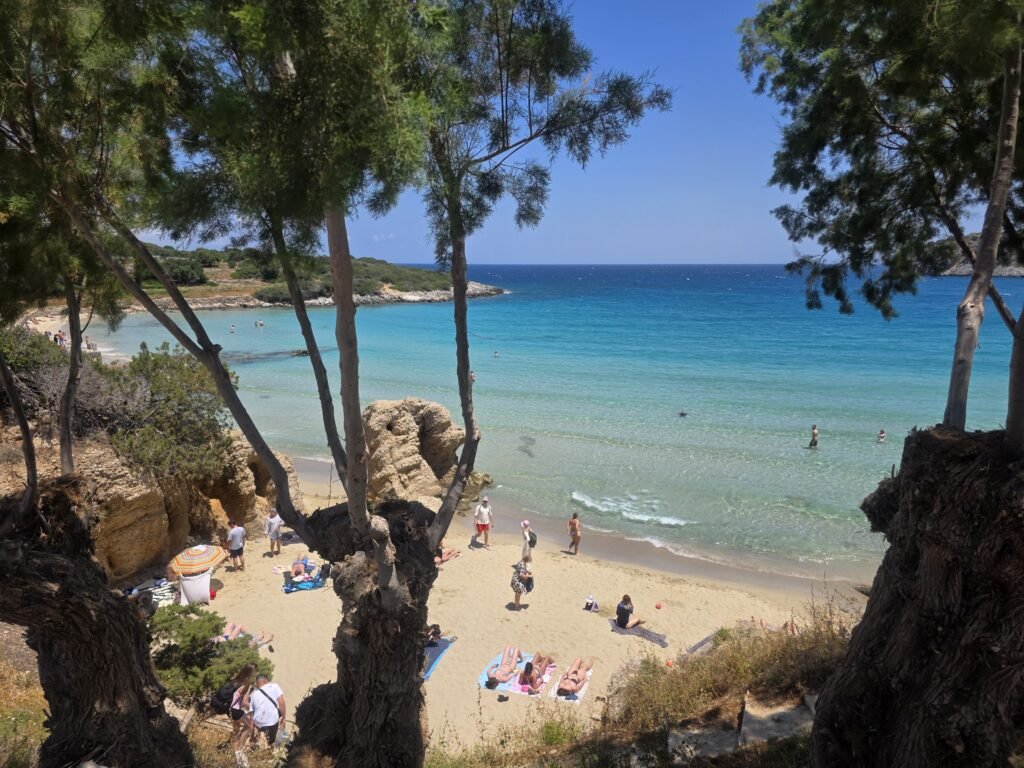
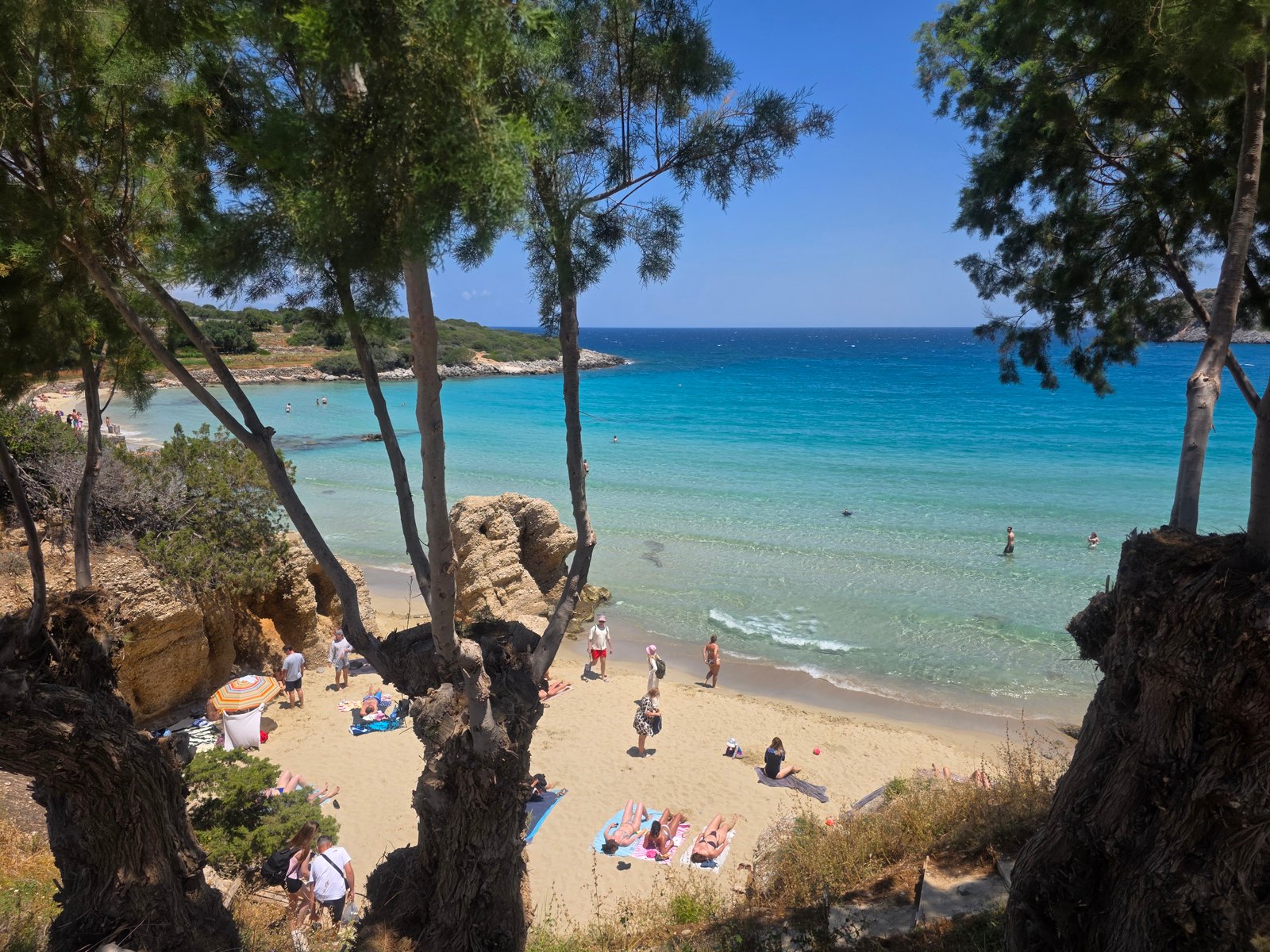
Crete has dozens of beaches that never appear on lists — accessible only on foot, by boat, or down unmarked tracks. These are the ones worth the effort.
| Beach | Location | How to Reach | Why It Is Special |
|---|---|---|---|
| Agiofarago | South coast, Heraklion | 30-min hike through gorge | Sheer cliffs, crystal lagoon, no facilities — total solitude |
| Kedrodasos | West of Elafonisi | 20-min walk from Elafonisi car park | Cedar forest behind the dunes, far fewer people than Elafonisi |
| Glyka Nera (Sweetwater) | Sfakia, south coast | Boat or 2-hr coastal hike | Natural freshwater springs bubble up through the sand |
| Marmara | Sfakia region | Boat only | White marble rocks, turquoise water, no road access |
| Seitan Limania | Akrotiri, Chania | Steep 15-min trail | Electric-blue narrow cove between cliffs — one of Greece’s most dramatic |
Secret Gorges Beyond Samaria
Samaria attracts up to 2,000 hikers a day at peak season. Crete has at least fifteen other gorges — most of them completely uncrowded, several more beautiful than Samaria in different ways.
Imbros Gorge is the best alternative: shorter (8 km versus 16 km), with narrower passages, better wildflowers, and almost no one on the trail before 10am. Aradena Gorge goes further — it ends at a remote pebble beach accessible only by walking or by boat, and the abandoned village of Aradena at the top is one of the most haunting places on the island. The community left entirely in the 1960s following a feud; the stone houses remain intact and empty.
Rouvas Gorge near Zaros in central Crete threads through ancient plane trees and past a Byzantine monastery. In spring it runs with waterfalls. In October it is completely deserted. A private guide makes the difference between following a trail you found on an app and actually understanding what you are looking at.
Abandoned Villages Worth Finding
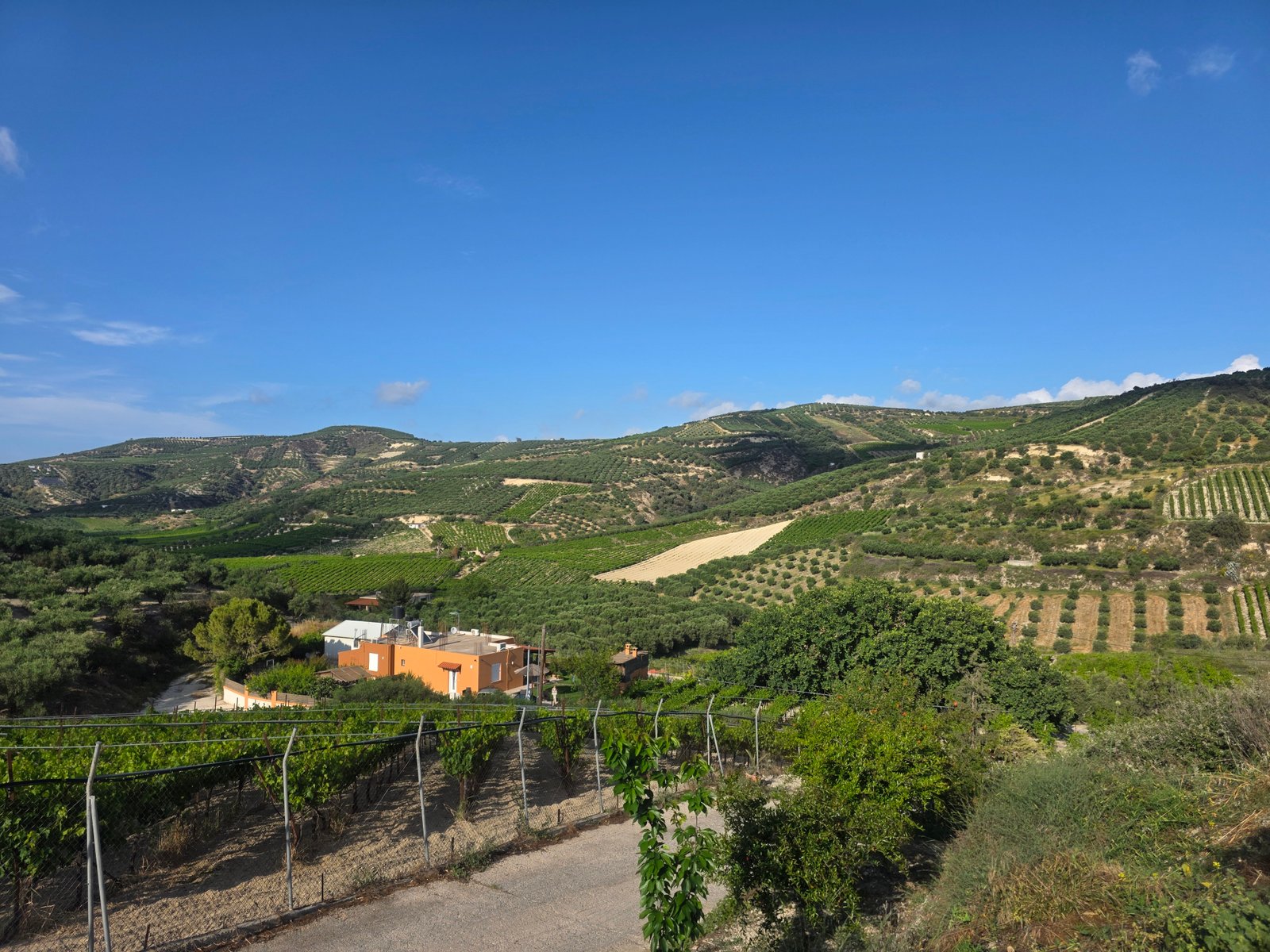
Crete lost much of its mountain population in the 20th century as younger generations moved to the coast. What they left behind is a landscape of ghost villages — stone houses, Byzantine churches with faded frescoes, terraced olive groves growing wild, and views down to the sea that nobody visits twice a year.
| Village | Region | What Remains | Best Season |
|---|---|---|---|
| Aradena | Sfakia, Chania | Complete stone village, intact but empty since the 1960s | April to October |
| Anydri | Paleochora area | Byzantine church with 14th-century frescoes | Year-round |
| Thronos | Amari Valley, Rethymno | Ancient basilica mosaic floor in the village square | Spring and Autumn |
| Argiroupolis | Rethymno region | Roman aqueduct, watermills, natural springs | Year-round |
| Asi Gonia | White Mountains foothills | Last traditional kaphenion of the resistance fighters era | Any time |
Archaeological Sites Without Queues
Knossos sees over a million visitors a year. Crete has over 400 documented Minoan sites. Most have no ticket office, no guided tours and no queue — you walk in, often alone, among ruins as significant as anything at Knossos.
Phaistos is the second-largest Minoan palace and has better views than Knossos — sitting on a ridge above the Messara plain with Mount Ida behind it. Visitor numbers are a tenth of Knossos. Agia Triada, a royal Minoan villa 3 km from Phaistos, holds some of the best-preserved frescoes in Crete and is often completely empty. Gortyna, the ancient Roman capital, has the 2,500-year-old Law Code — the oldest written legal code in Europe — inscribed on stone blocks you can touch. There is no barrier.
How to Actually Find These Places
The honest answer: most require local knowledge that takes years to build. GPS coordinates get you to a car park. Knowing which track to take from there, which farmer’s land to cross respectfully, which gorge to avoid after rain, and which church keeper to call the day before — that knowledge comes from a guide who lives on the island and has walked these routes hundreds of times.
Tell us whether you want remote beaches, mountain villages, gorge hiking or ancient ruins off the tourist trail — and we will design a day around what we know personally. Not what is in a guidebook. What we have actually walked, eaten and explored over years of guiding on this island.
Chat on WhatsApp — Plan Your Off-the-Beaten-Path Day
Frequently Asked Questions
Are hidden gems in Crete safe to visit without a guide?
Many are — popular hidden beaches like Seitan Limania and Kedrodasos are well-marked and safe in good weather. Gorges, mountain villages and remote coastal areas are a different matter. Mobile signal is absent in many areas, tracks are unmarked and conditions change with weather. A private guide eliminates the guesswork and the risk.
Which part of Crete has the most hidden gems?
Western Crete — the Chania and Sfakia regions — has the highest density of off-the-beaten-path experiences: the deepest gorges, the most remote beaches, and the least-touched villages. The Amari Valley in central Rethymno is a close second for cultural and historical depth. Eastern Crete (Lasithi) is quieter than the west and has excellent hidden beaches and the Minoan site of Zakros.
Can I visit hidden Crete by rental car?
Some places, yes. Many of the best, no. Roads to remote beaches and mountain villages are often unpaved and narrow. Standard rental cars typically carry insurance clauses that void coverage on unpaved roads. A private tour in a properly equipped vehicle solves this — and adds navigation expertise.
What is the best time of year for off-the-beaten-path Crete?
April, May, September and October are ideal. Gorges have water, wildflowers are out in spring, the sea is warm in September and October, and you have entire places to yourself. July and August are possible but hot — gorge hiking in 38 degrees is serious business. The real hidden Crete belongs to the shoulder seasons.
How much does a private off-the-beaten-path tour cost?
A full private day exploring hidden beaches, gorges or villages starts from 180 to 220 euros per group — not per person. For four people that works out to 45 to 55 euros each, comparable to or less than a standard group tour, with a completely private experience in return.
Ready to see the Crete most tourists miss? 105 Olives Greece designs tailor-made private experiences built around places we know personally — not places we found in a guidebook.
Explore more Crete travel guides →
n