
Crete offers authentic culture, diverse landscapes, and true local experiences at half Santorini’s cost, while Santorini delivers iconic sunsets and world-class wine but crowds year-round. Your choice depends on whether you seek timeless island beauty or Instagram-famous vistas.
The Real Difference Between Santorini and Crete
Santorini vs Crete isn’t actually a question of “better or worse”—it’s a question of what you travel for. After guiding hundreds of visitors across both islands, I can tell you with certainty: they scratch entirely different travel itches.
Santorini is the postcard. Those blue domes, the caldera cliffs, the wine country perched impossibly on volcanic ridges—it’s real, it’s gorgeous, and it’s relentlessly crowded. During summer, you’re sharing every viewpoint with 2,000 other people. A simple dinner in Oia runs €45–60 per person. A basic hotel room costs €180–250 per night. But the sunset? That’s worth the premium.
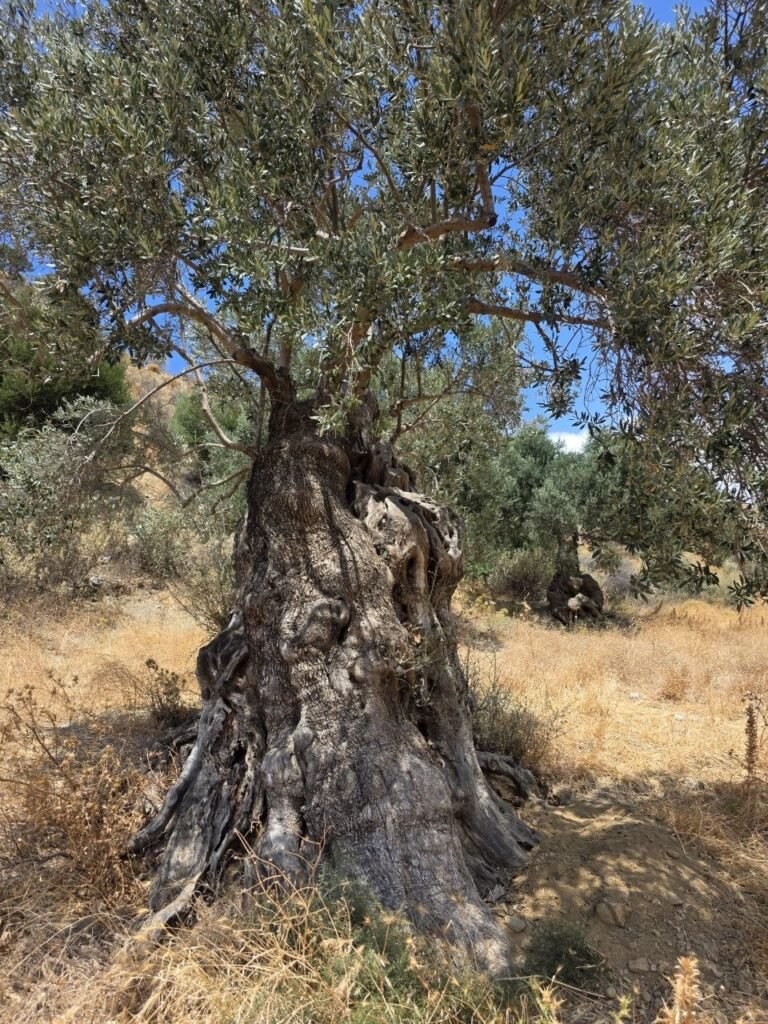
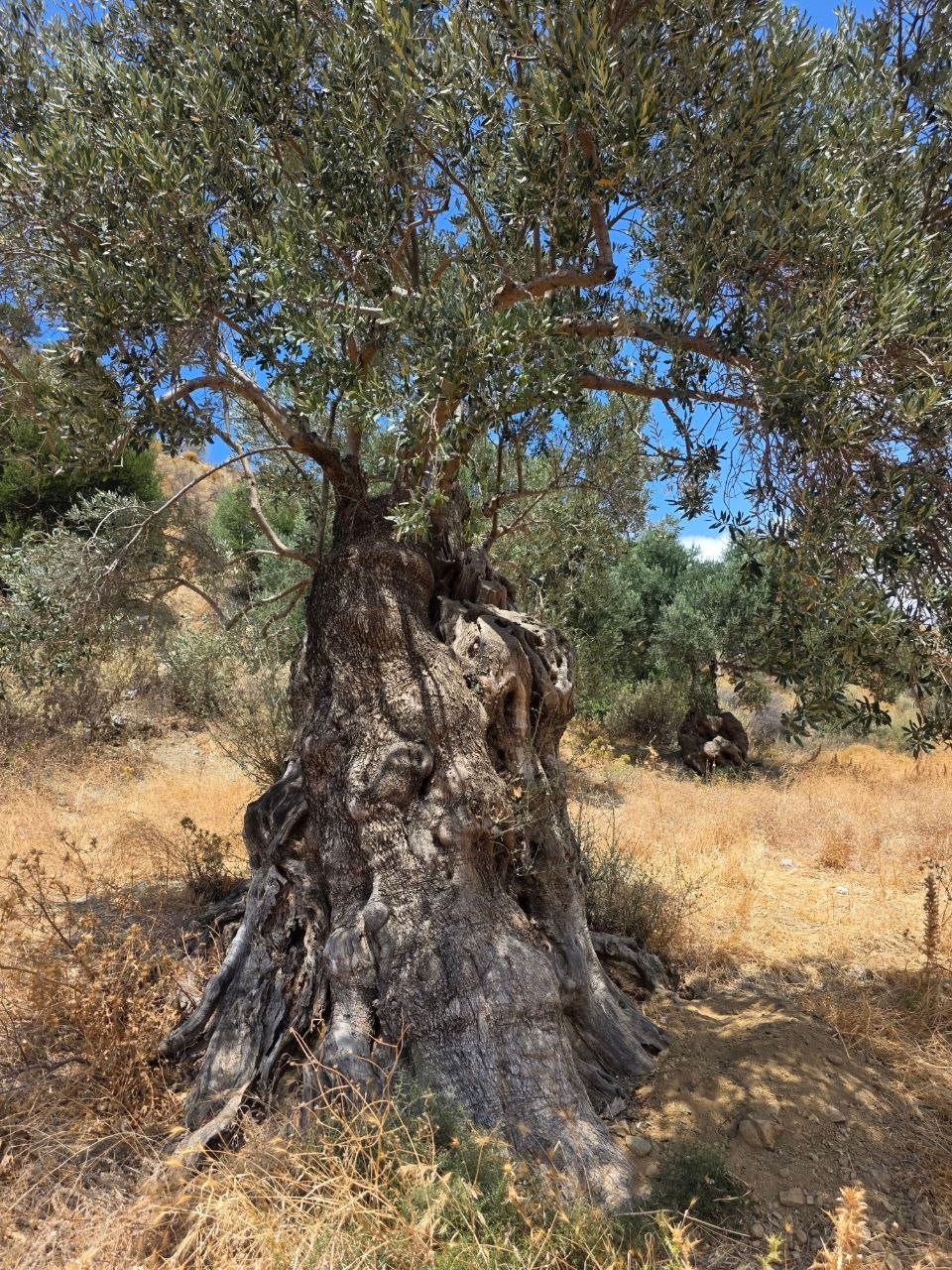
Crete is the journey. It’s olive groves older than the Byzantine Empire. Mountain villages where you’re still the only tourist at lunch. Beaches that belong to seabirds more than resort chains. And the same incredible Greek hospitality—minus the tour buses. Dinner with wine costs €20–30. A quality hotel room, €80–120. You pay less than half what Santorini charges, and you experience Greece as it actually lives.
Crowds, Seasons, and When to Visit
Santorini receives 1.5 million visitors annually on an island with 15,000 residents. That ratio matters. From May to October, Santorini’s main towns—Oia, Fira, Kamari—are shoulder-to-shoulder with tourists. July and August are nearly unbearable unless you’re deliberately seeking the party scene. Even April and November see solid crowds.
Crete, by contrast, spreads 8.3 million square kilometers across the largest Greek island. Even in peak season, you can find solitude. The north coast towns like Chania and Rethymno do get busy, but venture inland to Vamos, Anogia, or the Lasithi Plateau, and you’re genuinely alone. If crowd avoidance matters to you, Crete wins decisively. April, May, September, and October offer perfect weather with perhaps a quarter of the visitors you’d face in Santorini.
Winter (November–March) transforms both islands. Santorini shuts down partially—many hotels and restaurants close. Crete stays operational, particularly the north coast, making it the smarter choice for winter travel in Greece.
| Factor | Santorini | Crete |
|---|---|---|
| Summer crowds | Extremely heavy (1.5M annually) | Moderate to heavy (spread across island) |
| Peak season prices | €180–250/night hotels, €45–60 meals | €80–120/night hotels, €20–30 meals |
| Best shoulder season | April–May, September–October | April–May, September–October |
| Winter accessibility | Limited (many closures) | Good (especially north coast) |
| Off-season atmosphere | Quiet but somewhat empty | Authentically local |
Natural Beauty: Volcanic Drama vs Mediterranean Variety
Santorini’s landscape is singular: volcanic. The 1600 BCE eruption that destroyed the Minoan civilization created the caldera—a massive submerged crater ringed by 300-meter cliffs in shades of red, black, and white. The sunsets hit those cliffs at the perfect angle. The light is almost supernatural. You understand why it sells. And there’s honestly nothing on Crete quite like it.
But Crete offers something Santorini doesn’t: range. The island contains four significant mountain ranges (Lefka Ori, Psiloritis, Dikti, Asterousia), each with distinct character. The White Mountains in the west rise 2,452 meters and offer genuine alpine hiking. Samaria Gorge, the longest gorge in Europe at 16 kilometers, drops 1,250 meters through a landscape that shifts from forest to desert to sea. The south coast near Preveli has turquoise lagoons. The Lasithi Plateau at 840 meters elevation feels like a different world entirely—windmills, apple orchards, village life suspended in time.
The Santorini vs Crete choice often hinges on this: Do you want a single transcendent view repeated beautifully, or do you want to experience ten different landscapes in one week? Both are valid. Santorini rewards contemplation. Crete rewards exploration.
Culture, History, and Local Experiences
Santorini has history (the Minoan palace at Akrotiri, the Archaeological Museum), but it’s presented through a tourism lens. The island is fundamentally a resort destination now. Restaurants cater to international palates. Shops sell the same jewelry and art you’d find in any Mediterranean tourist town. Real Santoriani culture exists, particularly in quieter villages like Pyrgos or Megalochori, but you have to seek it deliberately.
Crete is living culture. The island has 4,000 years of continuous habitation—longer than anywhere else in Europe. You see it in daily life. In Rethymno, a 16th-century Venetian harbor town still functions as a working port, not a theme park. The old town has families living in centuries-old houses, not boutique hotels. In mountain villages, you’ll encounter shepherds who’ve never left the island, women baking traditional bread in communal ovens, tavernas that serve what they grew. When a Cretan invites you for raki and meze, he’s not performing for tourists—he’s living his life and happens to include you.
If you want to experience Greece as it exists, not as it’s packaged, Crete is where you’ll find it. The 105 Olives Greece team specializes in private tours that connect you with local artisans, farmers, and families—experiences you won’t find in guidebooks, tailored to your interests whether that’s olive oil production, traditional cooking, or Cretan mountain villages.
Wine, Food, and Culinary Experiences
Santorini is famous for wine. The volcanic soil produces exceptional Assyrtiko whites and Vinsanto dessert wines. Wineries like Santo Winery and Venetsanos command €20–35 per tasting, and the experience is polished—sommelier-led, beautiful views, Instagram-ready. The food scene is Instagram-ready too: carefully plated, fusion-influenced, modern Greek. Delicious, but refined rather than rustic.
Crete produces less-famous but equally serious wine—Retsina, Kokkimeli, and mineral-driven whites from the Archanes region. More importantly, Crete is still a place where food means sustenance and family, not aesthetic. A traditional mezze in a Chania taverna includes dakos (barley rusks), Cretan cheese, grilled octopus, horta (boiled greens with lemon), and wine from a barrel—for €25 total. You’re eating what Cretans actually eat. On Santorini, you’re eating what was decided would sell to tourists.
The critical difference: Cretan food culture is unperformed. Women still make pasta by hand. Families still harvest olives. Cheese still tastes like the herbs the goats ate. This authenticity is disappearing everywhere, but Crete still has reserves of it.
| Experience | Santorini Cost | Crete Cost | Atmosphere |
|---|---|---|---|
| Wine tasting | €20–35/person | €10–20/person | Formal vs. family-run |
| Dinner for two with wine | €90–120 | €40–60 | Contemporary vs. traditional |
| Cooking class | €80–120/person | €40–75/person | Touristy vs. hands-on |
| Olive oil tasting | €15–25/person | €5–12/person | Retail-focused vs. educational |
Beaches and Water Activities
Santorini’s beaches are peculiar—dark volcanic sand, hot underfoot in summer, backed by dramatic cliffs. Perissa and Kamari get crowded. Red Beach (near Akrotiri) is geologically striking but mobbed with day-trippers. The water is clean and warm (26°C in summer), but the beach experience feels secondary to the scenery.
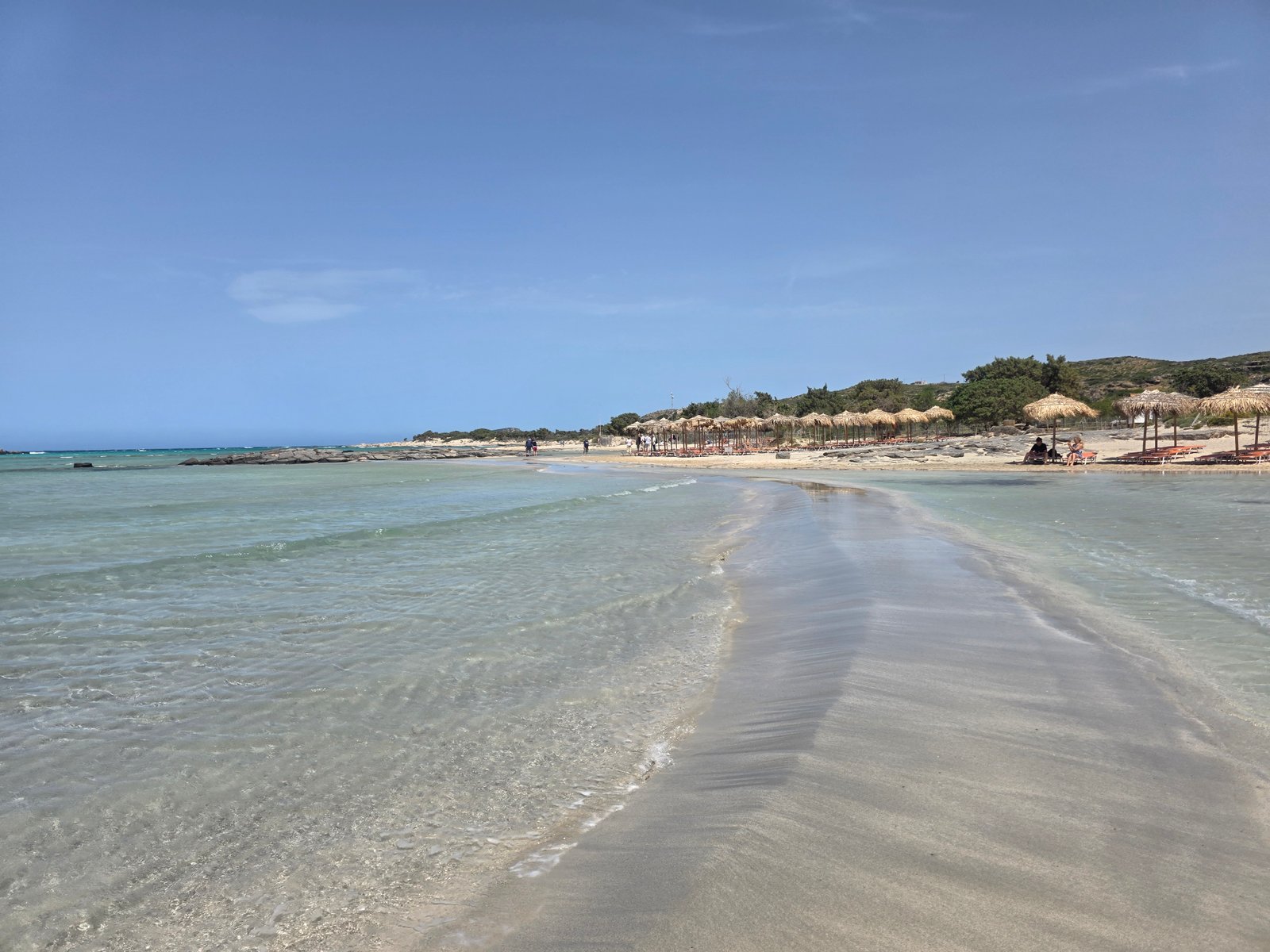
Crete has 1,066 kilometers of coastline and hundreds of beaches, many with fine golden or pink sand. Balos Lagoon (northwest) is aquamarine and surrounded by pink sand. Preveli Beach (south) has a river, palm trees, and genuine wilderness. Elafonissi (far west) is shallow, warm, and protected. Even busy beaches like Nikos Kazantzakis in Chania offer genuine seaside relaxation without the cliff-side drama. For swimming and beach time, Crete is superior. The water is identical in temperature, but you can actually enjoy it without crowds.
Water sports are available on both islands, but Crete’s south coast—less developed—offers better diving, snorkeling, and boat exploration. The small islands off the coast (Dia, Spinalonga) are accessible and less touristy than Santorini’s boat excursions.
Budget Breakdown: Total Cost Comparison
Let’s be concrete. For a 5-night summer trip for two people:
Santorini: Hotel €200/night (€1,000 total), meals €50/day (€250), activities and wine €300, ferries and transport €60. Total: approximately €1,610.
Crete: Hotel €100/night (€500 total), meals €25/day (€125), activities and wine €150, car rental €150. Total: approximately €925.
You save 40–45% on a Crete trip versus Santorini, with arguably richer experiences. This compounds if you travel in shoulder season, when Crete’s prices drop further but quality remains high. If budget influences your decision—and it should, because money spent on experiences beats money spent on location premium—Crete is objectively the better value.
How Long to Spend on Each Island
For Santorini: Three days is ideal. Day one: arrive, settle, sunset in Oia. Day two: volcanic islands boat tour, volcanic beach swimming, wine tasting. Day three: explore villages (Pyrgos, Megalochori), Archaeological Museum, sunset again. By day four, you’ve seen everything. Spending a week means lounging around, which is pleasant but expensive for the activity return.
For Crete: Five to seven days justifies the trip. You need time to drive across it (it’s 260 kilometers east-west), explore multiple regions, hike, swim different beaches, visit villages. A week allows unhurried exploration: west coast (Chania, Rethymno), mountain villages, south coast, east coast (Agios Nikolaos). Less than four days feels rushed.
This matters for trip planning. If you have five days total, split 3–4 days in Santorini and 1–2 in Crete. If you have eight days, five in Crete and three in Santorini. If you have twelve days, skip Santorini and spend the whole time exploring Crete’s depth.
Chat on WhatsApp — Plan Your Trip
The Combined Itinerary Option
Many travelers ask: Can’t I do both? Yes. But think strategically. Ferries from Santorini to Crete run daily (Blue Star Ferries
Frequently Asked Questions
Is Santorini or Crete better for a honeymoon?
Both work well, but they deliver different experiences. Santorini is more iconic and compact — caldera sunsets, cave hotels, and a concentrated romantic atmosphere. Crete is more varied: private villas, secluded beaches, yacht trips to sea caves, and a food culture that Santorini cannot match. For 7+ nights, Crete gives more to do without feeling repetitive.
Can I visit both Santorini and Crete in one trip?
Yes — the combination is one of the most popular Greek island pairings. A typical itinerary is 4 nights in Crete and 3 nights in Santorini, connected by a 30-minute flight or a 2-hour high-speed ferry from Heraklion. Starting in Crete gives you the longer, more immersive experience first; ending in Santorini provides a dramatic visual finale.
Which island is cheaper, Santorini or Crete?
Crete is significantly cheaper across almost every category. Santorini caldera hotels average €350–600 per night; equivalent quality in Crete runs €150–300. Food in Santorini’s tourist belt runs 30–40% more than comparable meals in Crete. The price difference widens in July and August when Santorini demand peaks harder.
Is Santorini too crowded in summer?
July and August in Oia and Fira are genuinely overwhelming — cruise ships dock daily, the sunset viewpoints fill an hour before sunset, and restaurant queues are long. Crete in the same months has busy resort beaches but also quiet mountain villages, uncrowded archaeological sites, and south-coast coves that require effort to reach. If you’re sensitive to crowds, Crete handles summer better.
Which island has better beaches?
Crete by volume and variety — it has over 400km of coastline including Elafonisi (pink sand lagoon), Balos (double bay with turquoise shallows), and dozens of south-coast pebble coves accessible only by boat. Santorini’s beaches are dramatic — black and red volcanic sand — but crowded and not ideal for swimming due to waves. For beach quality as a primary goal, Crete is the stronger choice.
