
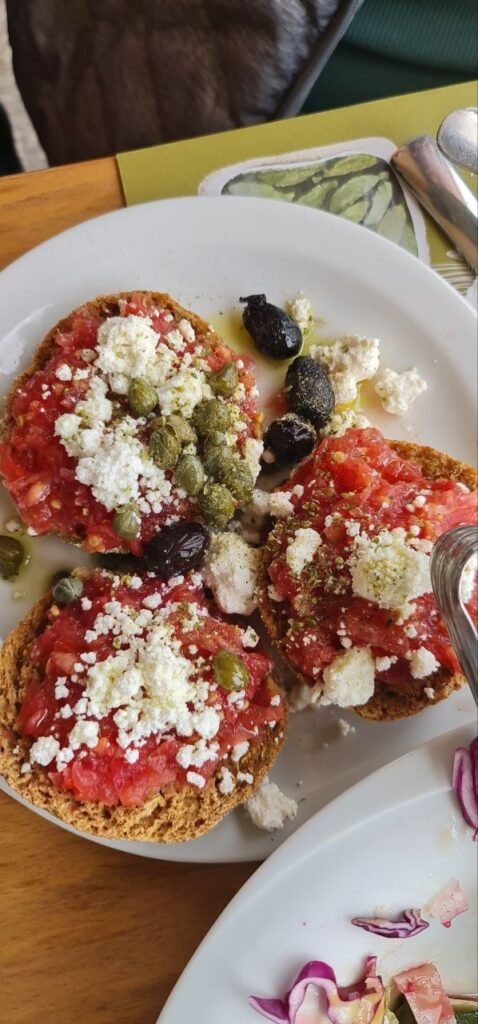
October transforms Crete into the ideal travel destination: summer crowds vanish, temperatures hover at a perfect 24-26°C, and the island’s natural beauty peaks with golden light. Fewer tourists mean authentic experiences, shorter waits at archaeological sites, and genuine connections with locals who finally have time to share their stories.
Why October Is Crete’s Perfect Sweet Spot
October arrives in Crete like a well-timed intermission—the summer madness has subsided, but the island remains genuinely warm and inviting. Where July and August bring temperatures exceeding 30°C and crowds so thick you can barely walk through Chania’s Old Town, October offers something closer to paradise: mild weather, manageable visitor numbers, and the kind of golden afternoon light that makes photographers weep.
The numbers tell the story. During peak summer, Crete welcomes over 600,000 visitors monthly across its four prefectures. By October, that figure drops to around 200,000—a reduction that completely changes the character of travel here. You can actually stand in front of the Minoan palace at Knossos and absorb its 4,000-year history without being jostled by a hundred other visitors. Restaurants in Rethymno serve dinner to familiar faces rather than processing tourists like a factory line.
The sea temperature in October hovers around 22-23°C, still swimmable for most travelers, especially after the first few days when your body acclimates. The combination of warm days and cooler evenings means you can explore actively without melting, then enjoy evening walks without shivering. This is the climate sweet spot that allows real exploration—hiking, cultural visits, olive mill tours, and coastal drives—without the exhaustion that comes from battling Mediterranean heat.
The Weather Reality: What to Actually Expect
Crete in October delivers genuine sun approximately 80% of the time, with average daily highs of 24-26°C and lows around 18°C. This is not a rainy month by Mediterranean standards, though you should pack a light rain jacket just in case—October occasionally brings brief showers, particularly in the mountain regions and along the northern coast.
The real advantage lies in humidity and wind patterns. Summer brings the Etesian winds that can make afternoons uncomfortably hot, especially on the northern coast. October’s breezes are gentler, more refreshing than punishing. Humidity stays relatively low at 60-70%, which means sweat actually evaporates and you don’t feel sticky after morning explorations. The Samaria Gorge, nearly impossible to hike in summer due to heat, becomes genuinely enjoyable in October—the 16-kilometer trek takes five to seven hours and feels challenging rather than dangerous.
Sunlight in October arrives later and departs earlier than summer, but this creates the golden hour that photographers and lovers of beauty genuinely treasure. Sunrise around 7:15 AM and sunset near 6:45 PM means two beautifully lit periods daily. The lower angle of sun creates dramatic shadows on ancient stone and makes the landscape glow in ways that make you understand why Greeks have been painting and writing about this island for millennia.
| Month Comparison | Average Temperature | Tourist Density | Sea Temperature | Best For |
|---|---|---|---|---|
| August | 29°C | Very High | 25°C | Swimming only |
| September | 27°C | High | 24°C | Late summer escapes |
| October | 25°C | Moderate | 22°C | All activities, authentic travel |
| November | 20°C | Low | 19°C | Serious hikers, solitude seekers |
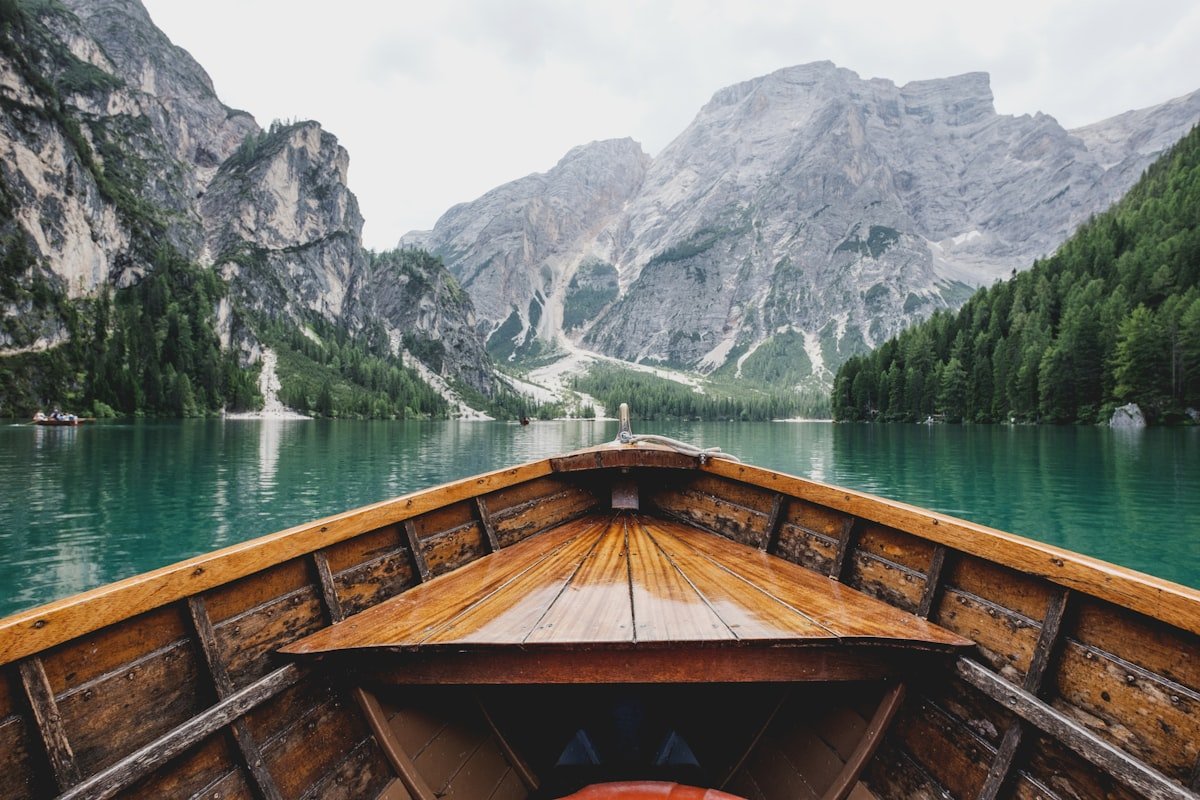
Authentic Experiences Become Possible Again
Here is what changes when Crete in October receives travelers instead of masses: locals actually have time to talk. The taverna owner near Platanias isn’t exhausted from serving 200 dinners nightly. The olive oil producer in Sphakia can spend hours showing you his family’s techniques instead of rushing groups through. The fisherman at Paleochora’s harbor will invite you to watch the sunset and share raki instead of just nodding.
October is harvest season—the island is alive with purpose. Olive harvest begins in earnest around mid-month in some regions. Wine harvest continues in various areas. Figs, pomegranates, and grapes still hang heavy on trees and vines. If you want to participate in authentic island life, this timing means you can actually join in. Several traditional villages offer olive-picking experiences starting October 15th through November, where visitors help with the actual harvest rather than performing staged activities. You’ll earn your lunch genuinely, sweat a little, and understand why Crete’s agricultural traditions remain central to identity here.
Archaeological sites operate with their standard hours and no overwhelming crowds. Knossos, Phaistos, Gournia, and the smaller palace sites all deliver their full impact. The Samaria Gorge welcomes hikers daily without the lottery system that sometimes limits access in summer. Hiking trails through the White Mountains are at their seasonal best—not too hot, wildflowers are done blooming (so less distraction), and visibility remains excellent.
Accommodation, Dining, and Value in October
October’s moderate season positioning means prices remain reasonable without approaching winter’s true bargains. A comfortable three-star hotel in Rethymno runs roughly 70-100 EUR per night, compared to 150-200 EUR in summer. A dinner for two at a quality taverna averages 40-55 EUR with wine, whereas summer establishments charge 60-80 EUR for similar quality. Car rental sits at approximately 25-35 EUR daily instead of summer’s 40-50 EUR.
Better still, restaurants and hotels genuinely want your business in October. You receive personalized attention that feels authentic rather than transactional. Owners recommend their cousin’s wine bar instead of the nearest available table. Hotel staff remember your name and preferences by day two. This shift in service quality costs nothing but represents immense value for travelers seeking real connection with place and people.
October visitors should book accommodations two to three weeks in advance, particularly in popular towns like Chania and Rethymno, but genuine last-minute options remain available—something nearly impossible in summer. If you’re flexible about location, you can find superb small hotels and rooms in villages like Anissaras, Fodele, or Kritsa that offer authentic village life at 50-70 EUR nightly.
Activities That Shine in October Weather
Hiking becomes genuinely enjoyable rather than survival-focused. The Samaria Gorge trek, Imbros Gorge (shorter but equally dramatic at seven kilometers), and countless mountain trails offer proper adventure without heat-induced risk. The White Mountains reveal hidden villages where you’ll find natural springs, terraced orchards, and tavernas serving food from their own production.
Beach time remains viable but takes a secondary role to exploration. The water is still pleasant—22-23°C is definitely swimmable, though you might want a wetsuit if you’re sensitive to cold. Beaches like Balos Lagoon, Falassarna, and the quieter Paleochora shoreline offer beauty without the August crowds. You can actually spread a towel without touching someone else’s towel.
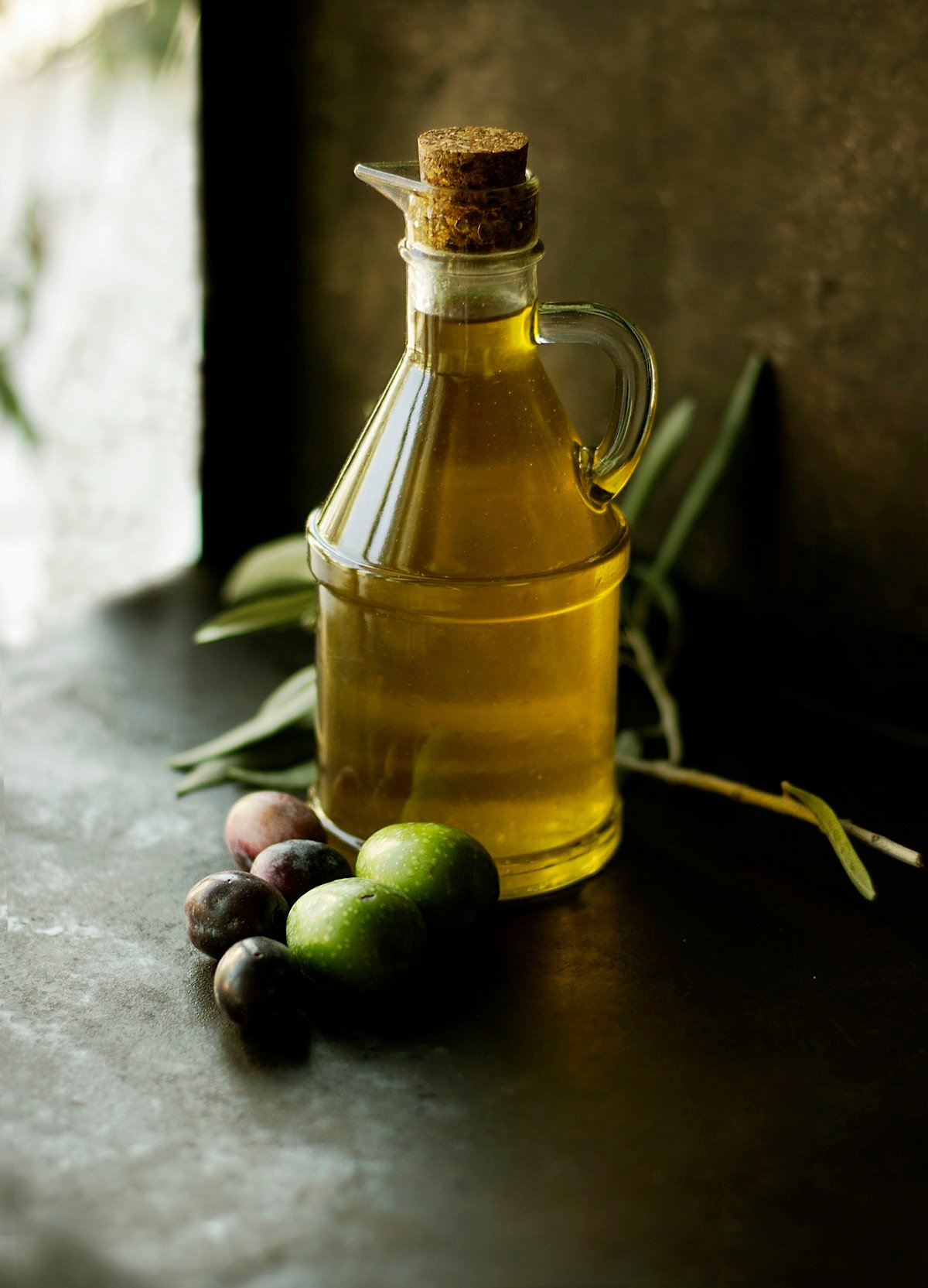
Olive mill visits make profound sense in October. Harvest season means mills operate daily, and you’ll witness genuine production rather than a seasonal demo. Tours at mills like Toplou Estate or family operations throughout the island include tasting freshly pressed oil—something truly special. Expect to pay 15-25 EUR per person for detailed tours with tasting.
Wine tours take on added significance as harvest concludes and fermentation begins. The Boutari winery near Rethymno, Diamantakis in the Heraklion region, and smaller producers throughout Lasithi offer harvest-season tours where you’ll see genuine winemaking activity. These experiences run 30-50 EUR and often include lunch or snacks.
| Activity | Best Timing in October | Typical Cost | Physical Demand | Why October Works |
|---|---|---|---|---|
| Samaria Gorge Hike | Any day (book accommodation at base) | Free (guide optional: 30-40 EUR) | High | Safe temperature, no summer heat risk |
| Olive Mill Tour | Oct 15-31 (peak harvest) | 15-25 EUR | Low | Live harvest operations underway |
| Wine Tasting Tour | Early-mid October | 30-50 EUR | Low | Harvest operations visible, fermentation begins |
| Archaeological Sites | Any day | 6-15 EUR per site | Moderate | Manageable crowds, cool morning hours |
| Beach/Coastal Villages | Any day (best morning/evening) | Free-20 EUR | Low | Pleasant temperature, authentic local dining |
Our team at 105 Olives Greece private tours specializes in designing October itineraries that blend these experiences authentically—no rushing between tourist checkpoints, but genuine engagement with seasonal Cretan life.
Travel Logistics: Getting There and Around
October flight availability to Crete remains strong—most major European airlines maintain regular service to both Chania and Heraklion airports. Prices typically run 30-50% lower than summer rates, meaning a round-trip from northern Europe costs 120-180 EUR instead of 200-300 EUR. Peak October (October 1-15) experiences slightly higher fares than mid-to-late October, so flexibility helps financially.
Car rental becomes genuinely reasonable. Booking a compact car from an airport agent runs approximately 25-35 EUR daily for week-long rentals. Driving in Crete requires some adjustment—mountain roads twist dramatically, and Greek drivers embrace enthusiastic speeds—but October’s moderate traffic makes exploration far more pleasant than summer.
Public transportation remains reliable. Regional buses connect villages and towns adequately, though schedules rotate seasonally. Ferries continue operating to nearby islands like Spinalonga (Byzantine fortress and Venetian history) and Dia Island (secluded beaches and archaeological sites). KTEL buses cost roughly 1.50-4 EUR per journey depending on distance.
Packing for Crete in October
October packing differs meaningfully from summer. Bring comfortable walking clothes in breathable fabrics, but also a lightweight sweater or fleece for evenings—mountain villages cool considerably after sunset, and sea breezes can feel chilly once the sun drops. A light rain jacket matters, though rain rarely lasts more than an hour. Comfortable hiking boots are essential if you plan any serious walking. Sun protection remains critical—UV exposure doesn’t diminish simply because temperature drops, and October sun reflects intensely off stone and water.
Swimwear is useful but not essential unless beach days specifically appeal to you. Most travelers find they use it once or twice rather than daily. A good camera or smartphone for photography becomes more valuable in October given the superior light quality. Binoculars make hiking more rewarding—Crete’s autumn bird migration creates opportunities for spotting species moving between Europe and Africa.
Frequently Asked Questions
Is Crete in October too cold for swimming?
The sea temperature sits around 22-23°C, which is swimmable for most people, though noticeably cooler than summer. Many travelers find it refreshing rather than uncomfortable, particularly after morning sun exposure. If you’re sensitive to cool water, a thin wetsuit (1-2mm) costs 30-50 EUR to rent or 60-100 EUR to purchase locally.
Will I encounter significant rain in October?
Rain remains infrequent in October—statistically about four to five rainy days across the month. When rain does occur, it’s typically brief Mediterranean showers rather than all-day weather. Mountain regions see slightly more precipitation than coastal areas. A light rain jacket and flexibility in scheduling prevents any genuine travel disruption.
Are archaeological sites less impressive with fewer visitors?
Quite the opposite—fewer people mean you can actually absorb the sites. Standing alone at Knossos during early morning light, or exploring the smaller palace at Phaistos without crowds, creates the profound connection that summer masses prevent
